ERASMUS, Desiderius
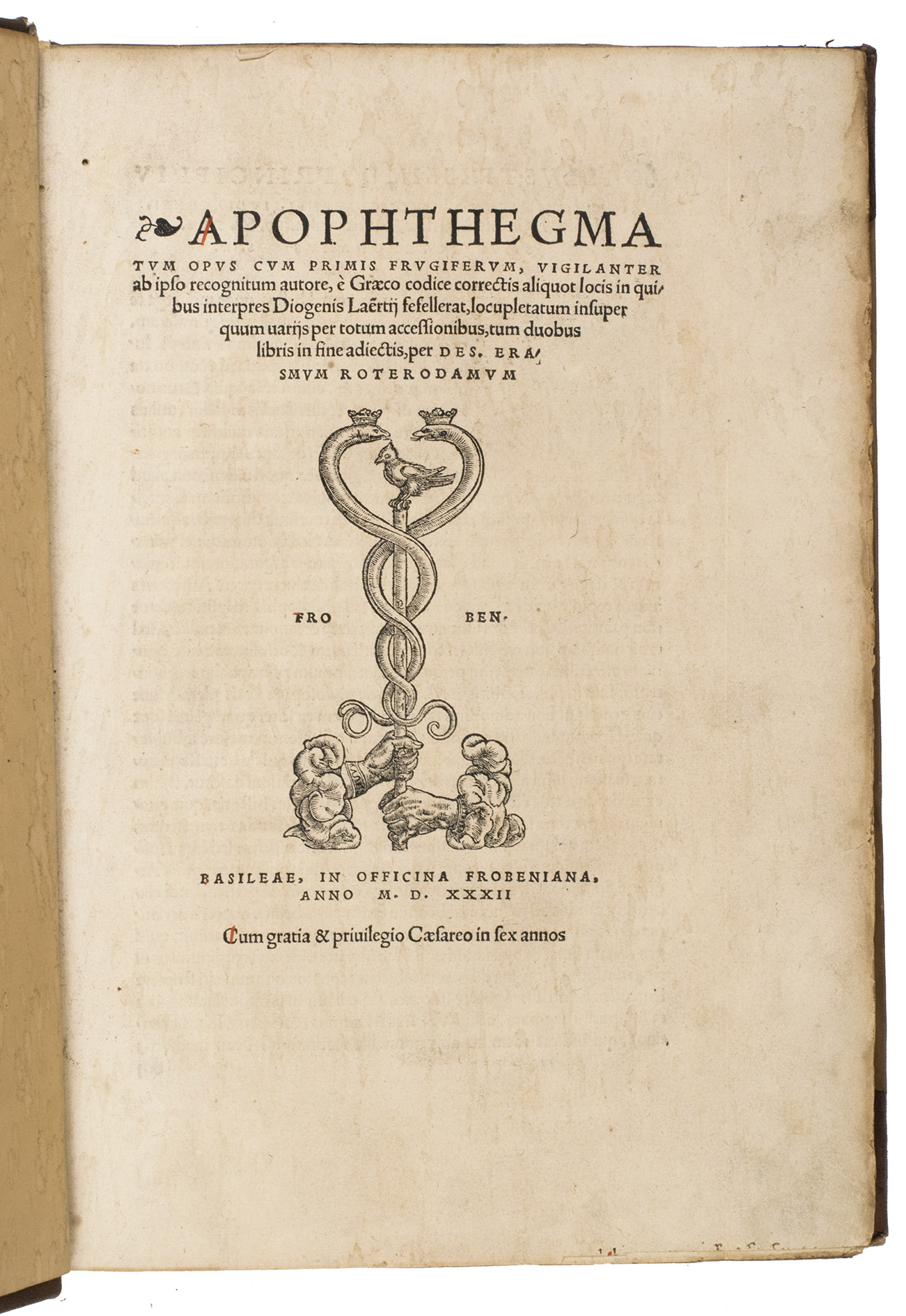
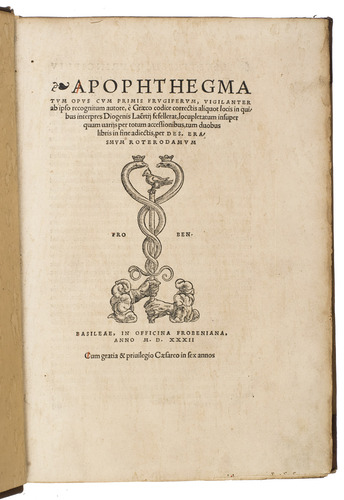
Apophthegmatum opus cum primis frugiferum, vigilanter ab ipso recognitum autore ... locupletatum insuper quum varijs per totum accessionibus, tum duobus libris in fine adiectis.
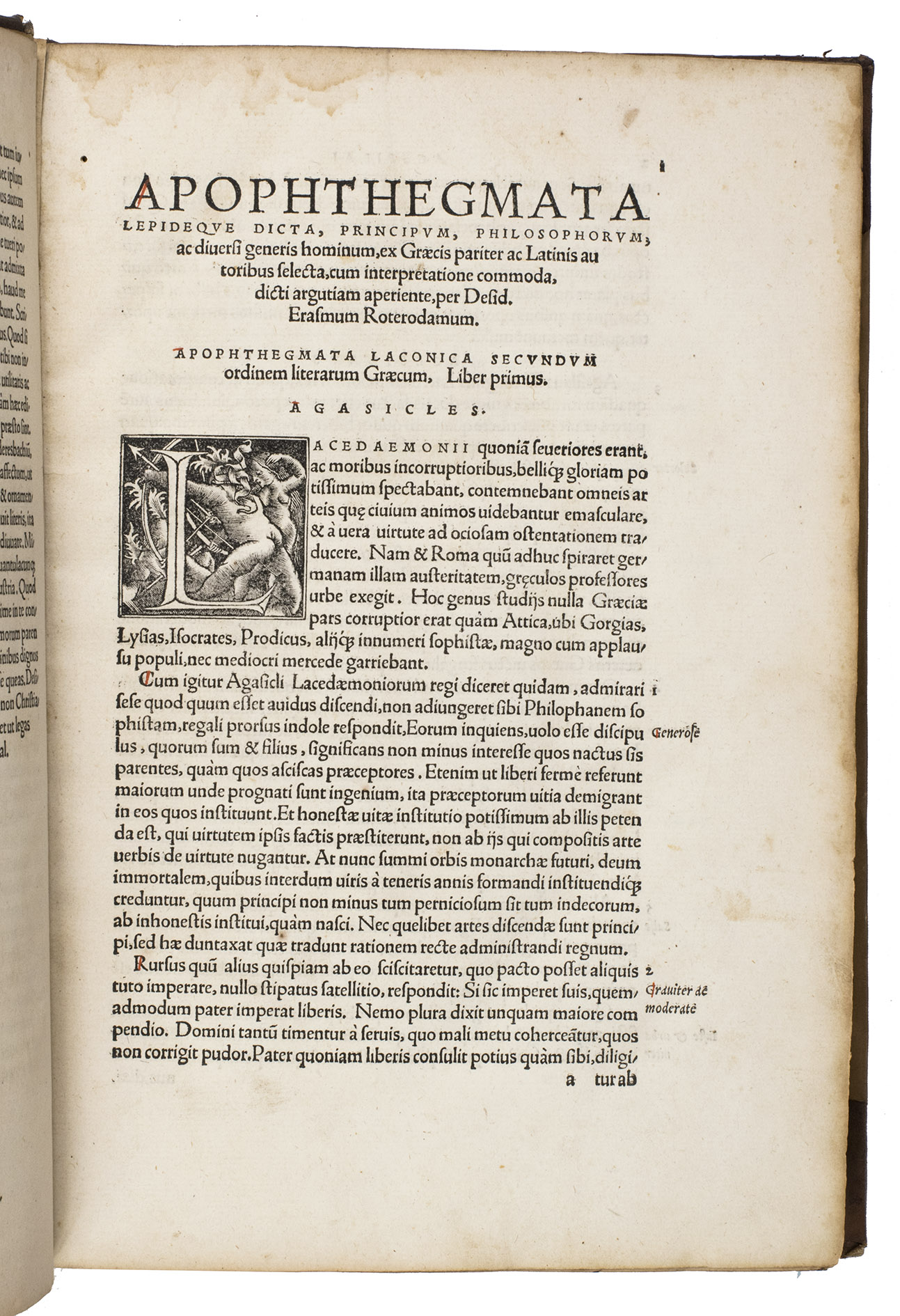
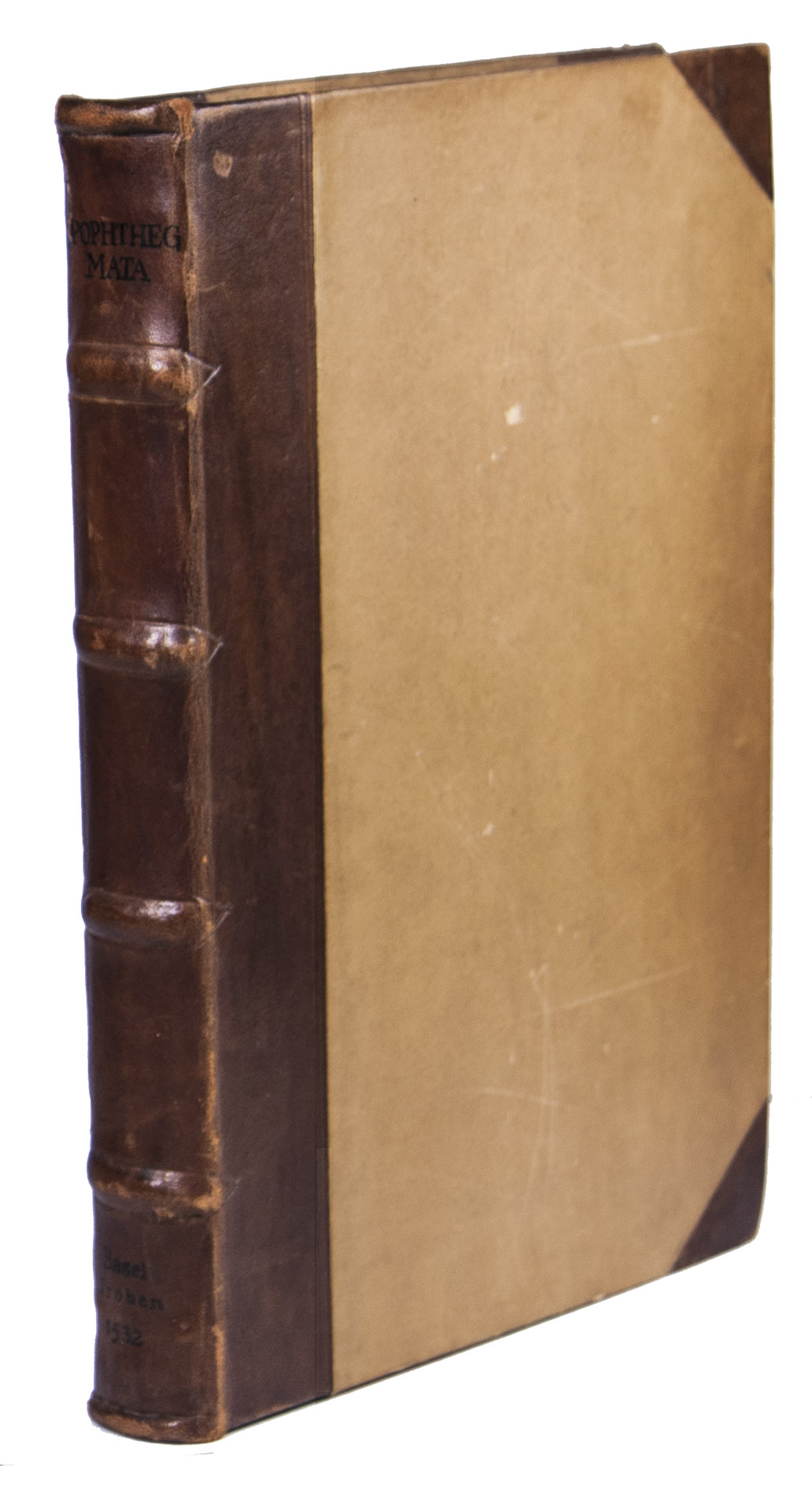
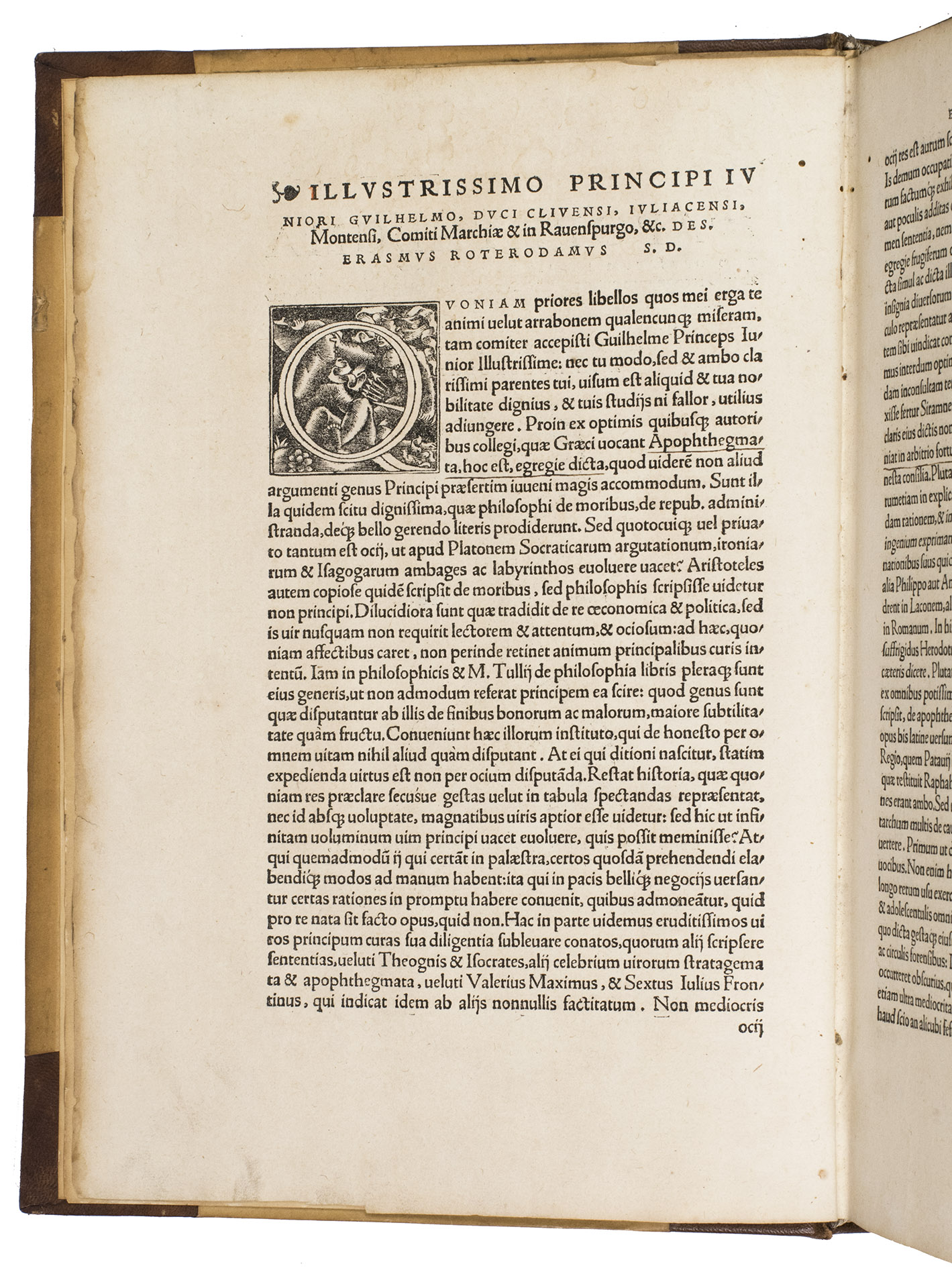
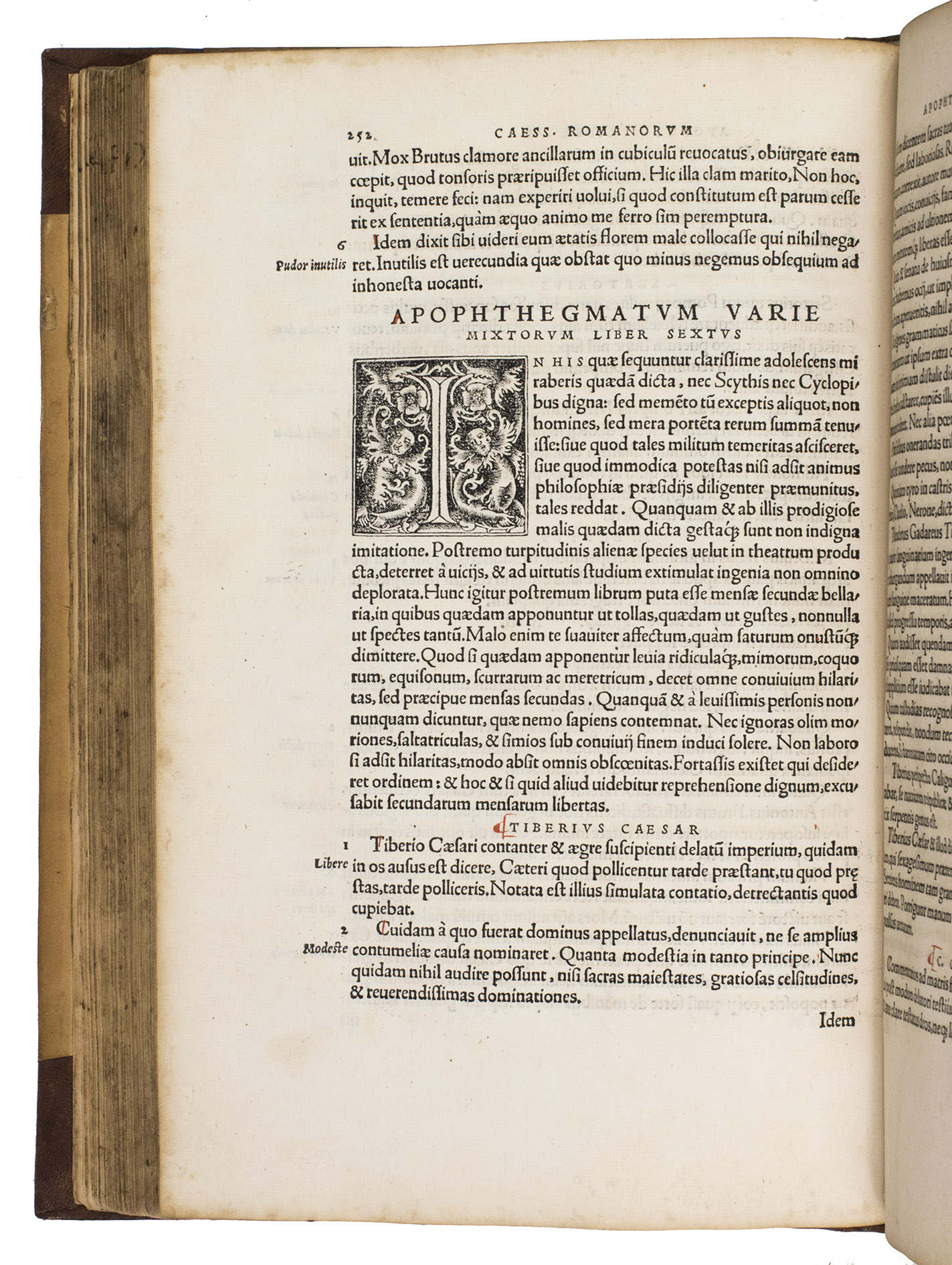
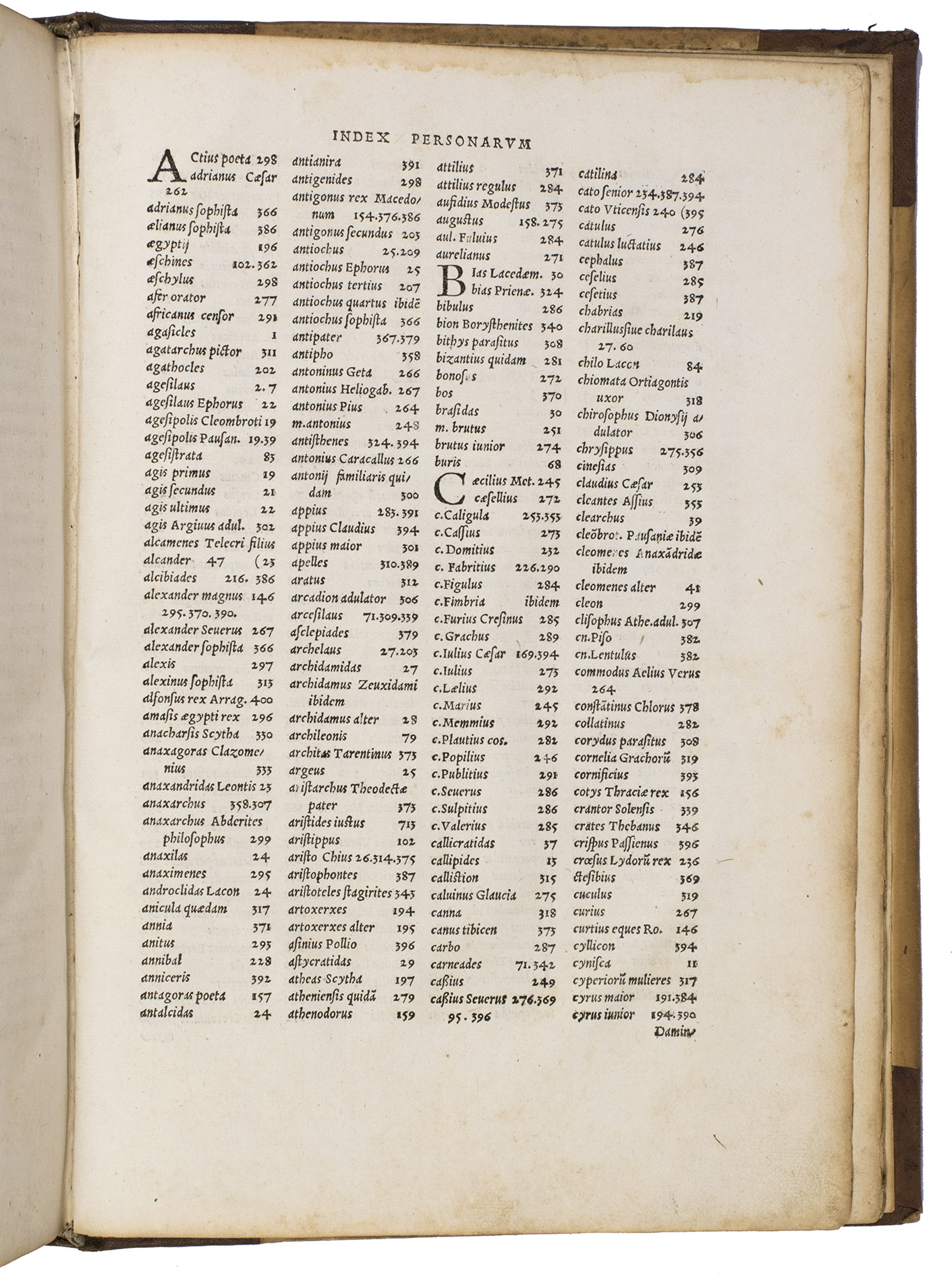
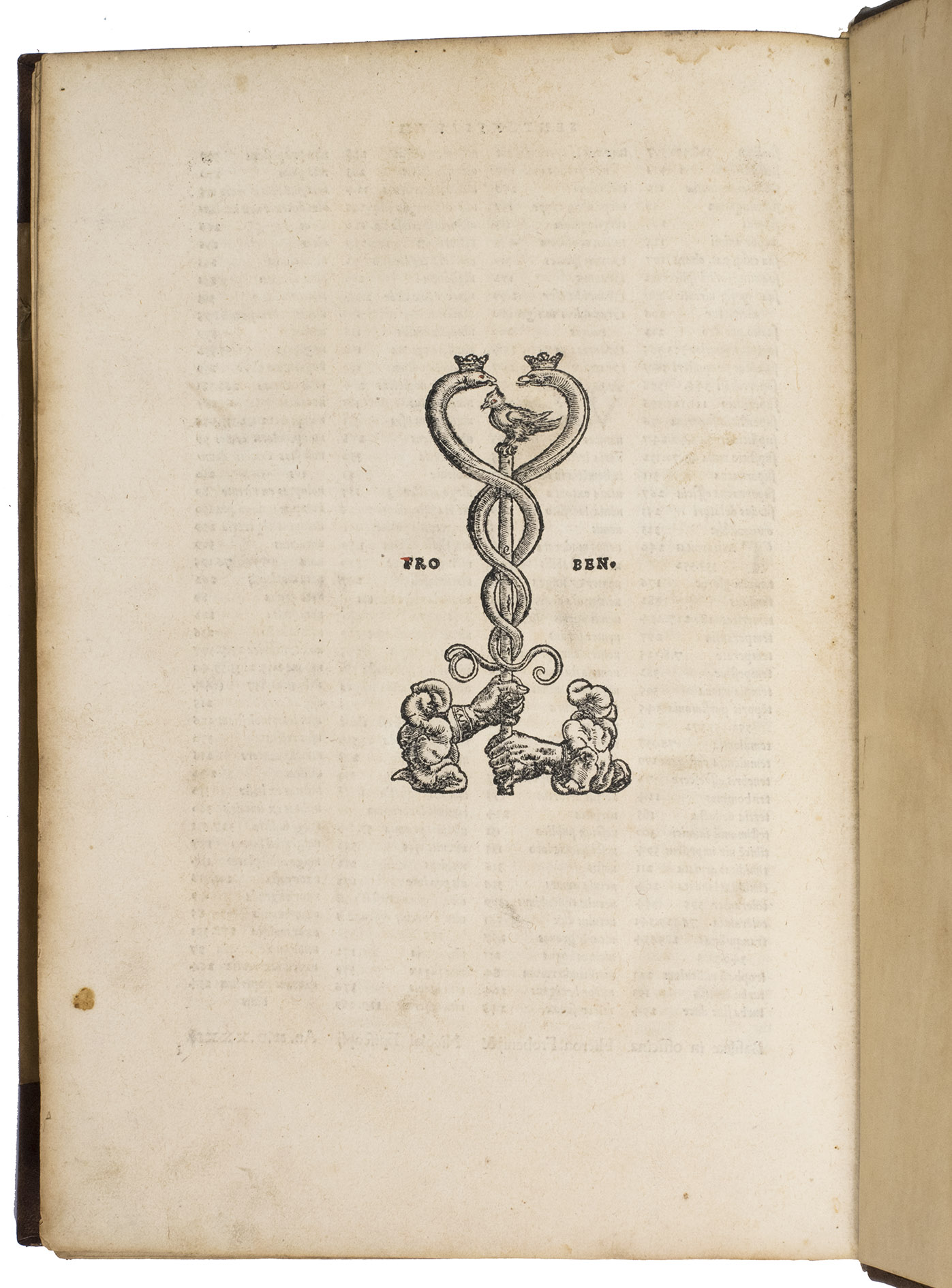
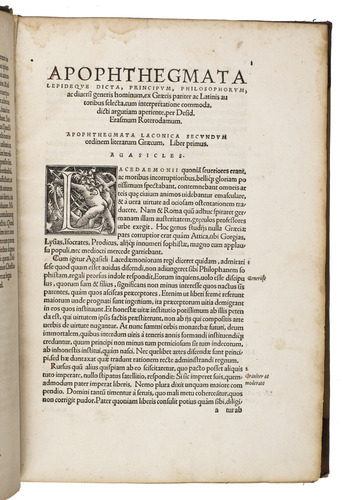
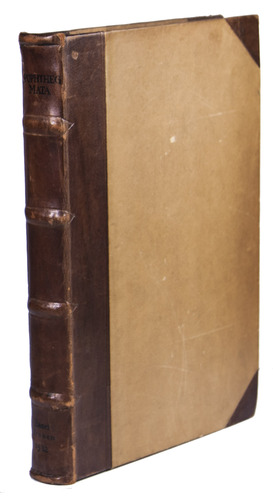
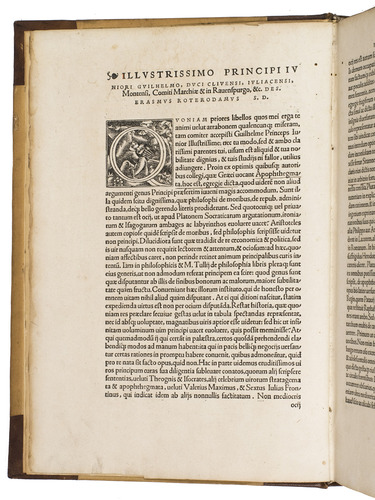
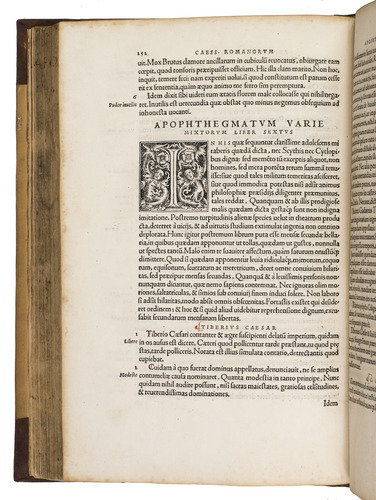
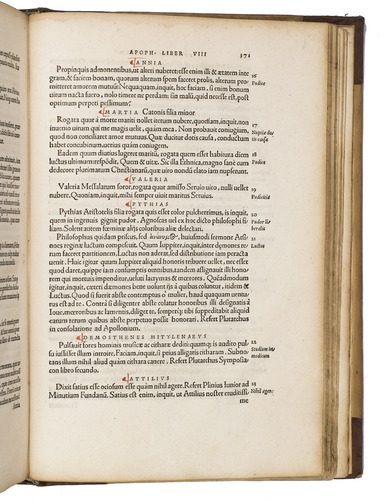
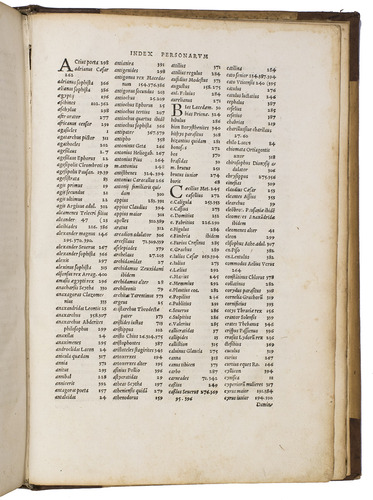
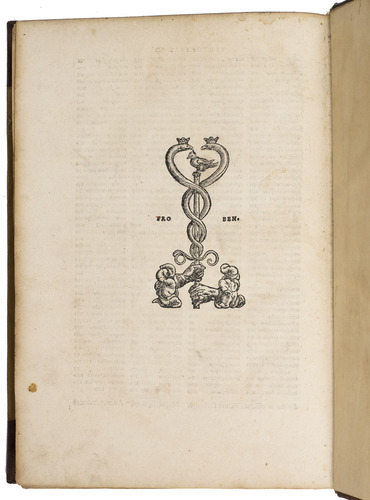
Basel, Froben Office (Hieronymus Froben & Nicolaus Episcopius), 1532, Small fol (20 x 30.9 cm). With 9 decorated metalcut initials, a decorated woodcut initial, and a woodcut printers device on the title page and final page. 19th-century blind-tooled brown half morocco. [8], 401, [1], [14] pp.
€ 6,500
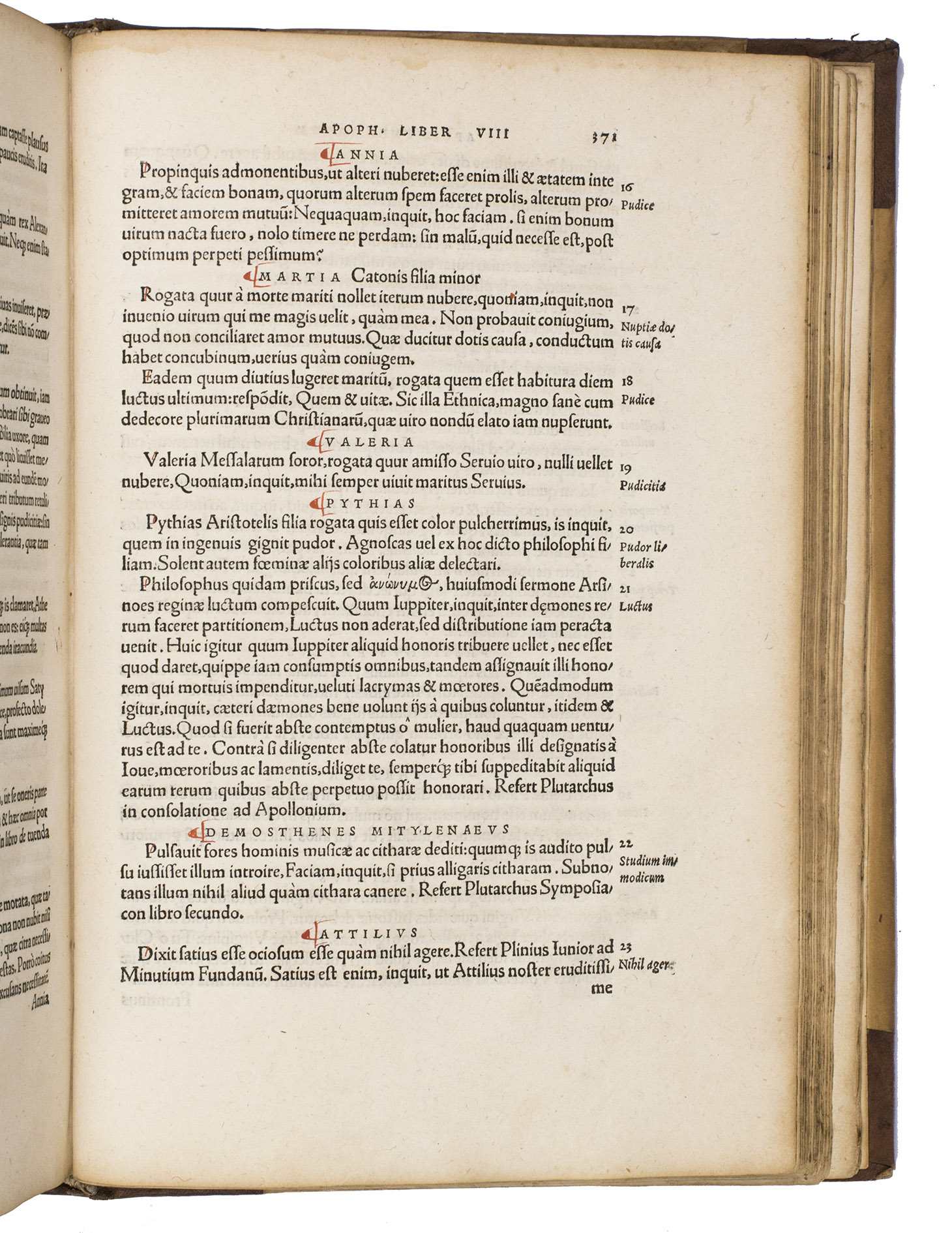
First expanded edition of Erasmus's important and highly popular Apophthegmata, enlarged from six to eight books, and the first edition to appear in folio. The work was first published in Basel in 1531 in six books and was an immediate success, with editions quickly appearing in Cologne, Lyon and Paris. For the present second Basel edition, published only a year later, Erasmus added two entirely new books and extensively revised and reorganised the text.
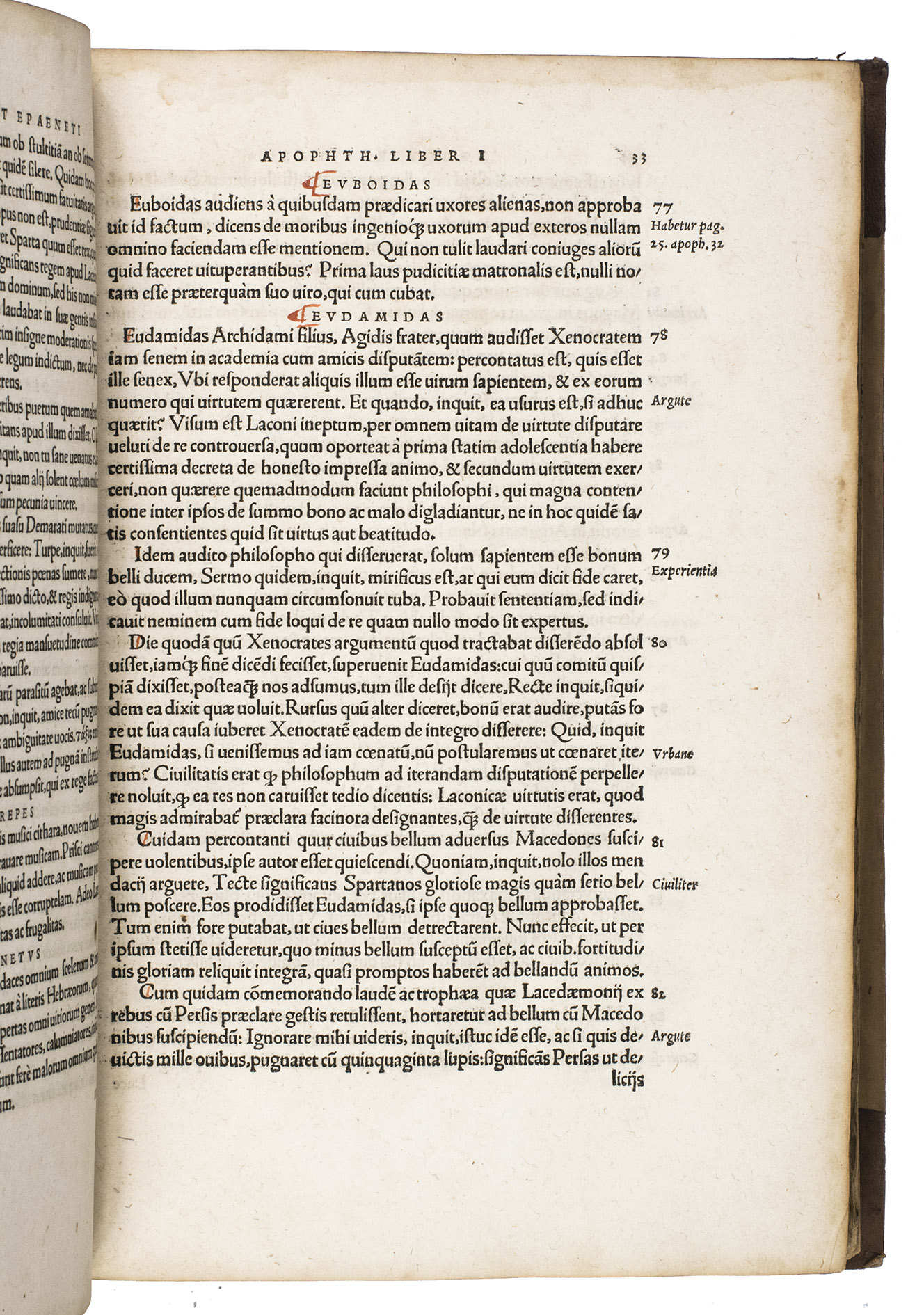
The Apophthegmata is a collection of more than two thousand concise, witty and often morally pointed sayings and anecdotes attributed to notable historical figures, intended to be both educational and entertaining. Erasmus took Plutarch's Apophthegmata, generally included among the Moralia, as his starting point, but considerably enlarged its scope, drawing on classical authors including Quintilian, Suetonius, Athenaeus, Valerius Maximus, Diogenes Laertius, Philostratus, Macrobius and Stobaeus. In his Institutio principis christiani (1516), Erasmus had famously recommended Plutarch's Apophthegmata as the first secular work a prince should read.
The success of Erasmus's collection continued after the present edition. He revised it once more for the Basel edition of 1535, while numerous editions and translations into vernacular languages helped make the Apophthegmata one of his most successful collections of classical wisdom.
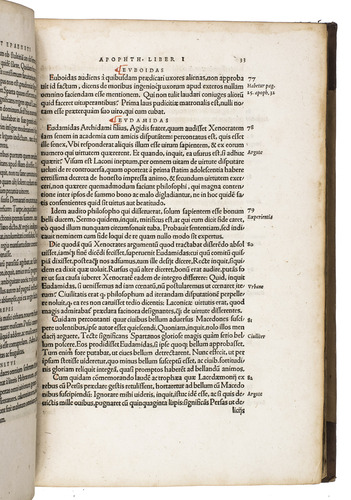
The work has been rubricated, with contemporary annotations in some of the margins. The binding shows mild traces of use. The work is lightly browned throughout, with a minor water stain in the head margin, a brown stain on page 530 and 531, minor stains on some of the leaves, and a small wormhole in the inner margin of the first 97 pages, without affecting the text. Otherwise an attractively rubricated copy, with ample margins. Adams E-490; Bezzel 195; Bibl. Belgica E 320; Vander Haeghen I, 15; VD16 E 2036; USTC 612553; not in De Reuck.
Related Subjects: