NUMAN, Hermannus.
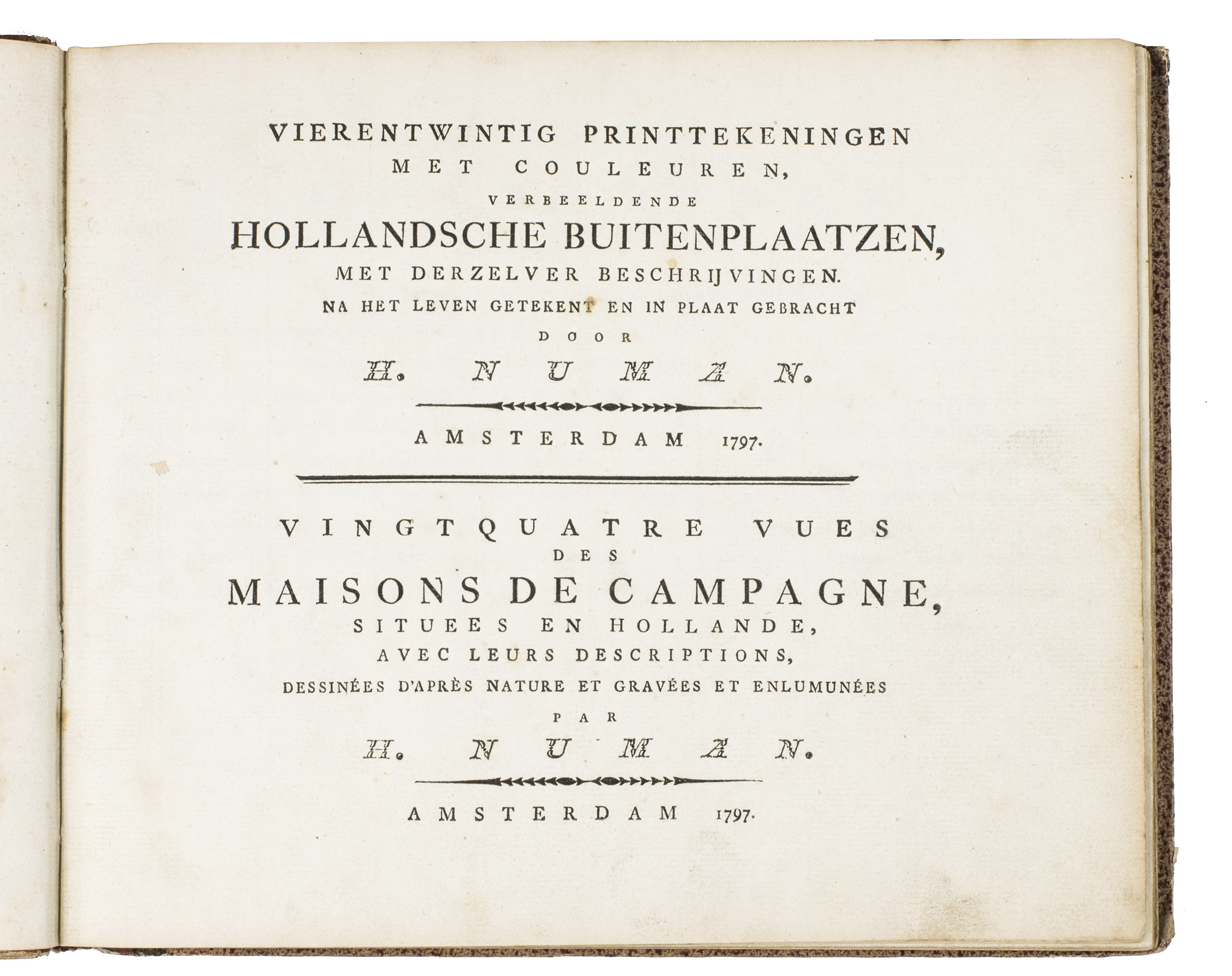
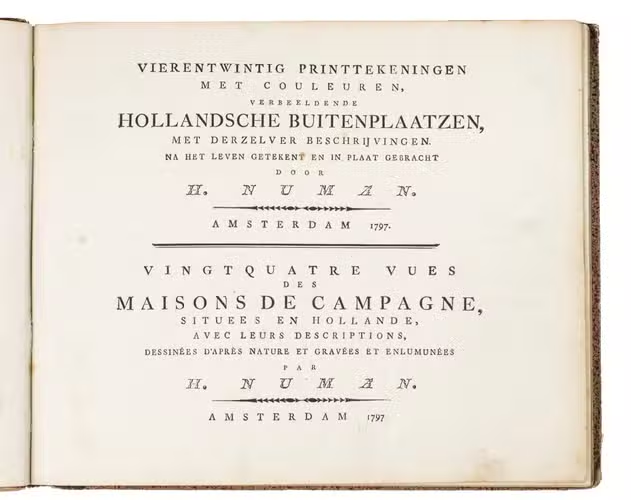
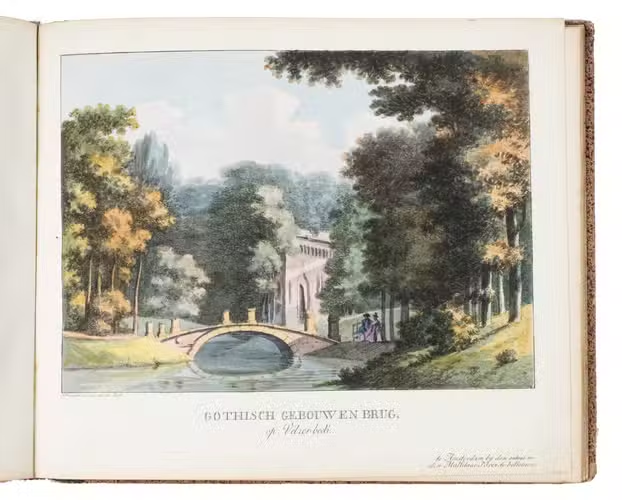
Vierentwintig printtekeningen met couleuren, verbeeldende Hollandsche buitenplaatzen, met derzelver beschrijvingen. Na het leven getekent en in plaat gebracht .... Vingtquatre vues des maisons de campagne, situees en Hollande ...
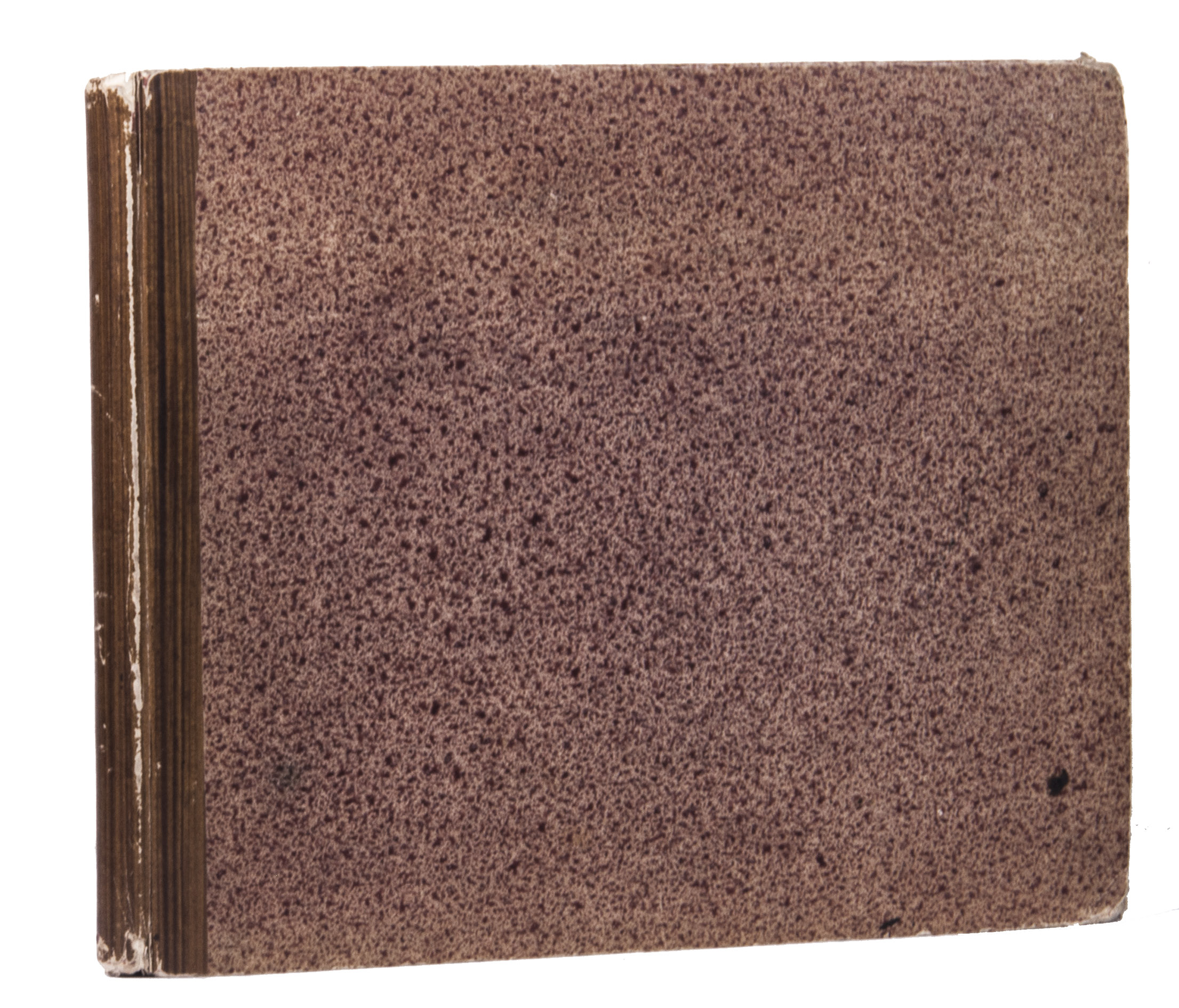
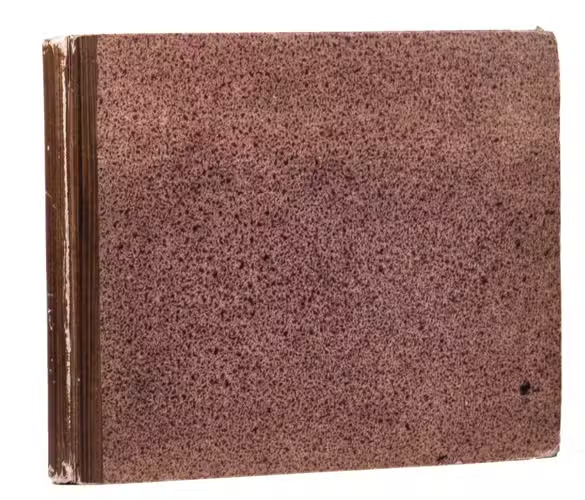
Amsterdam, [H. Numan, J. Yver and J.W. Smit], 1797. Oblong 4to (ca. 23.5 x 27 cm). With 24 full-page hand-coloured aquatints of various country houses. Contemporary or slightly later quarter brown paper, sprinkled paper sides. 15 ll. + 24 plates.
€ 18,000
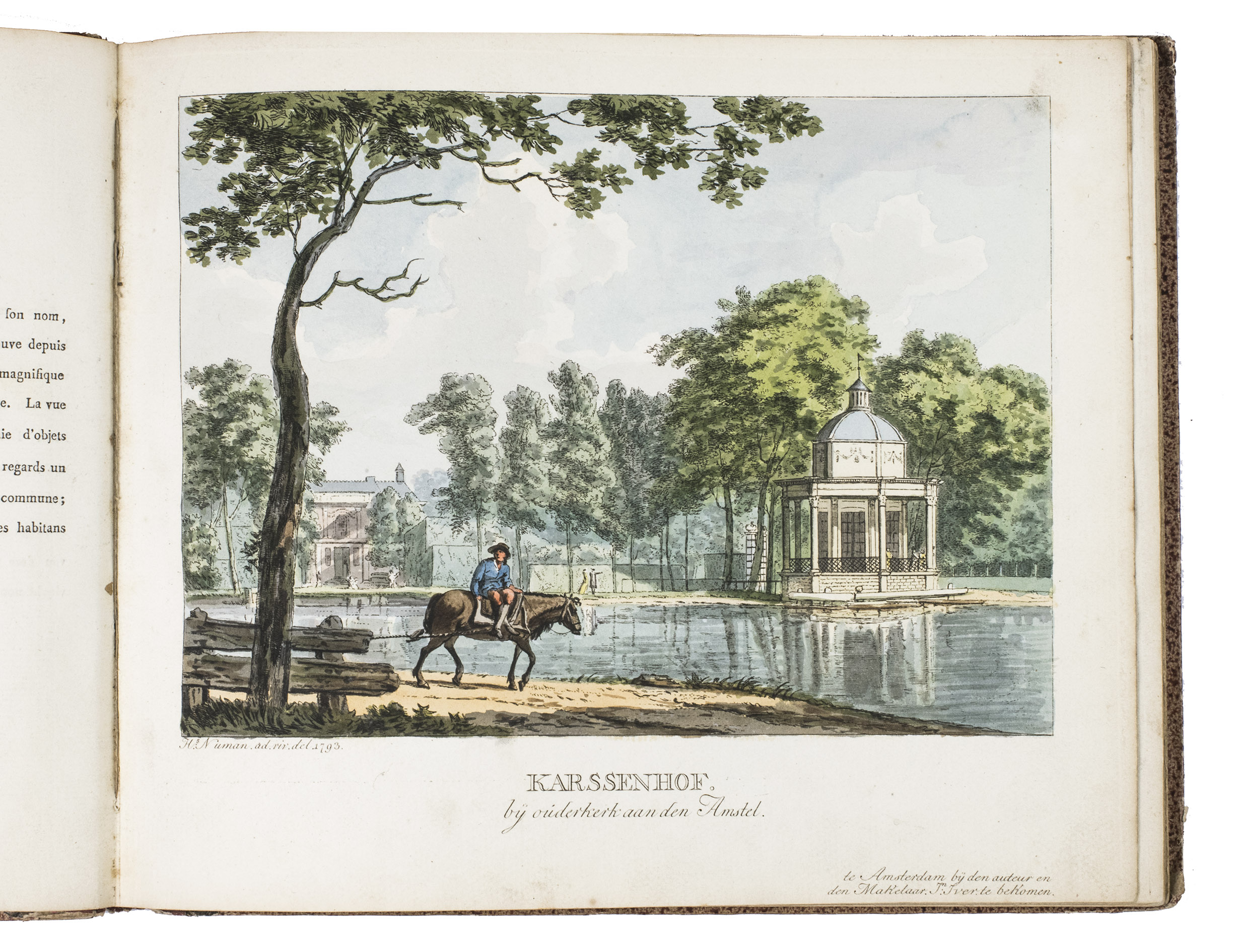
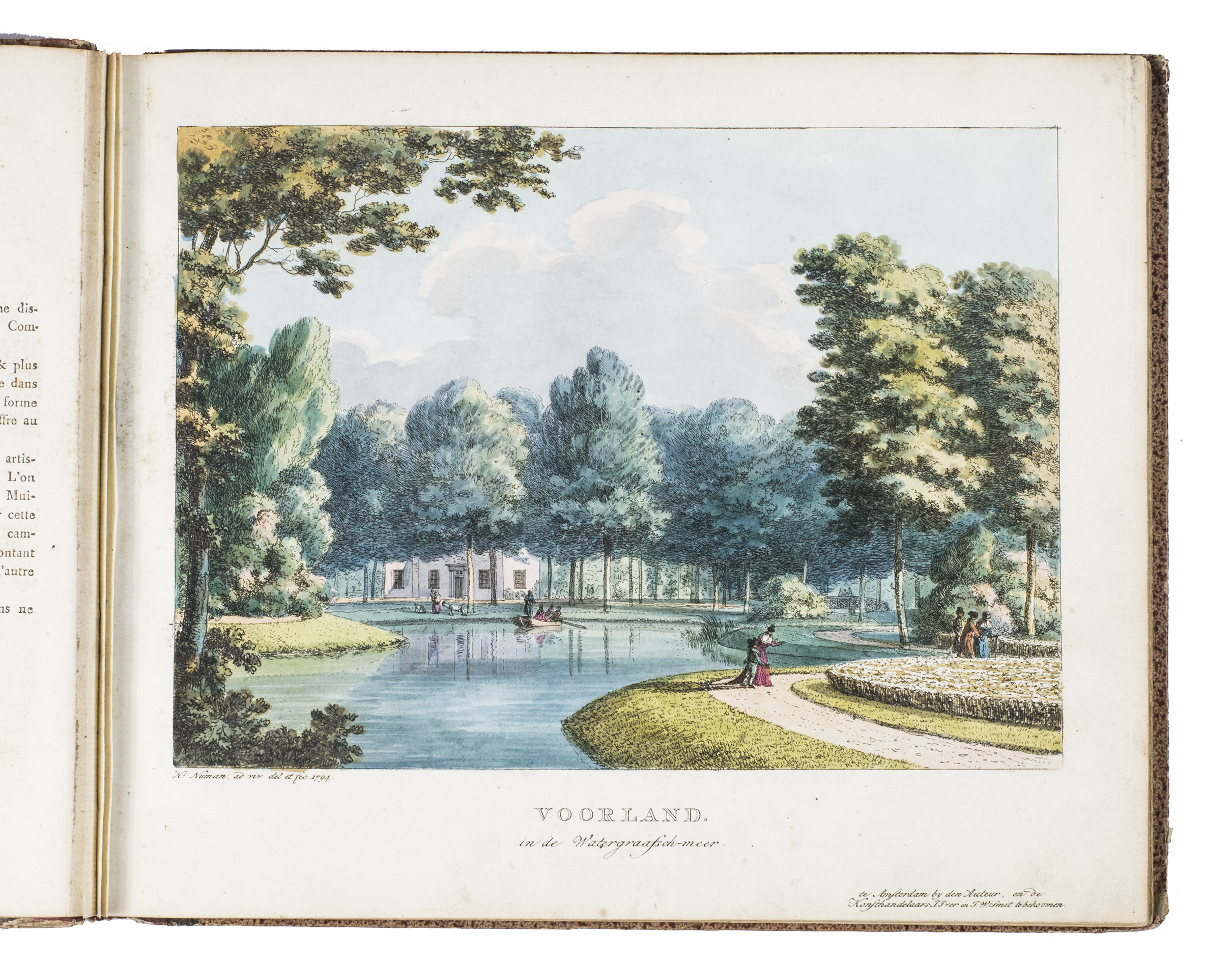
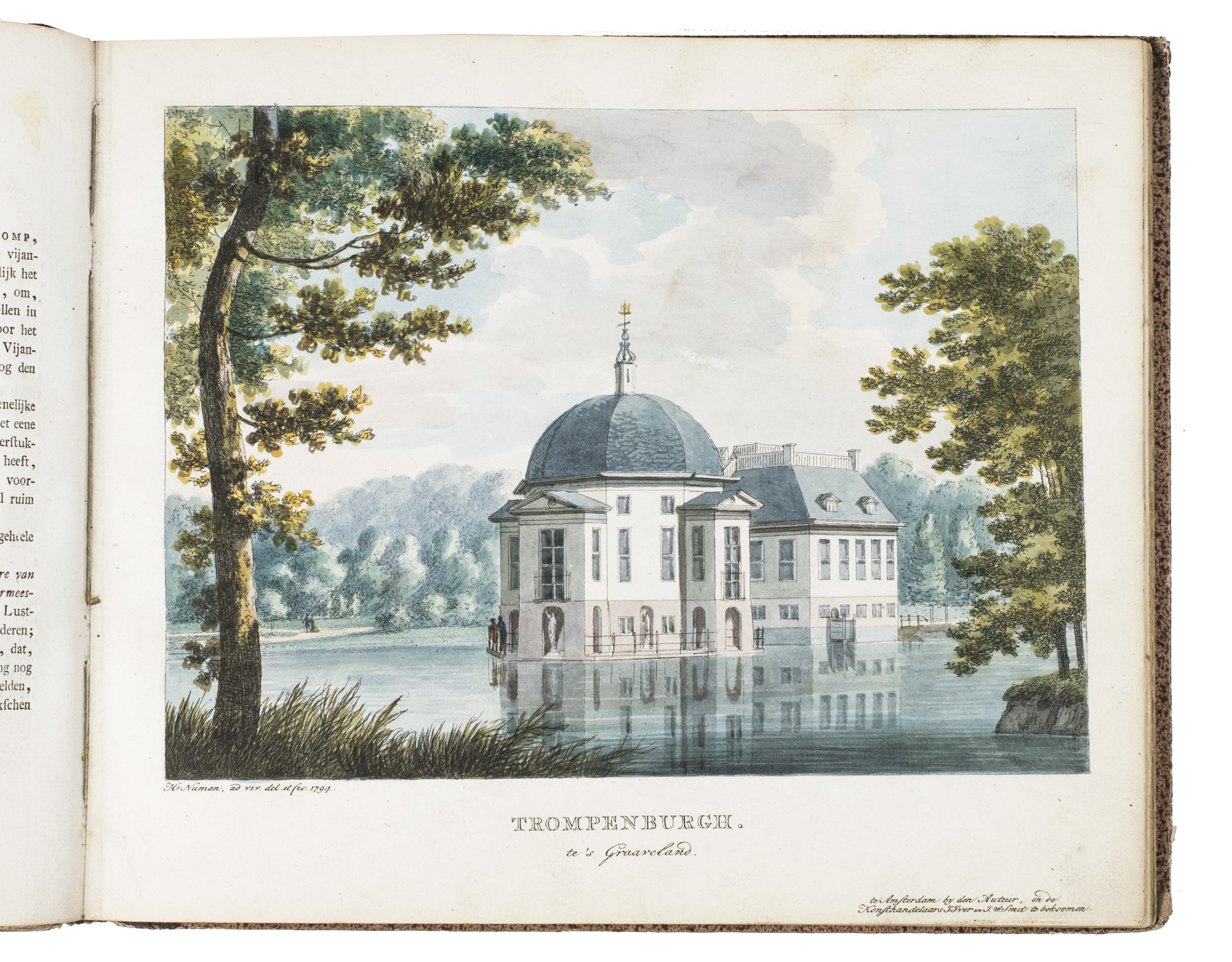
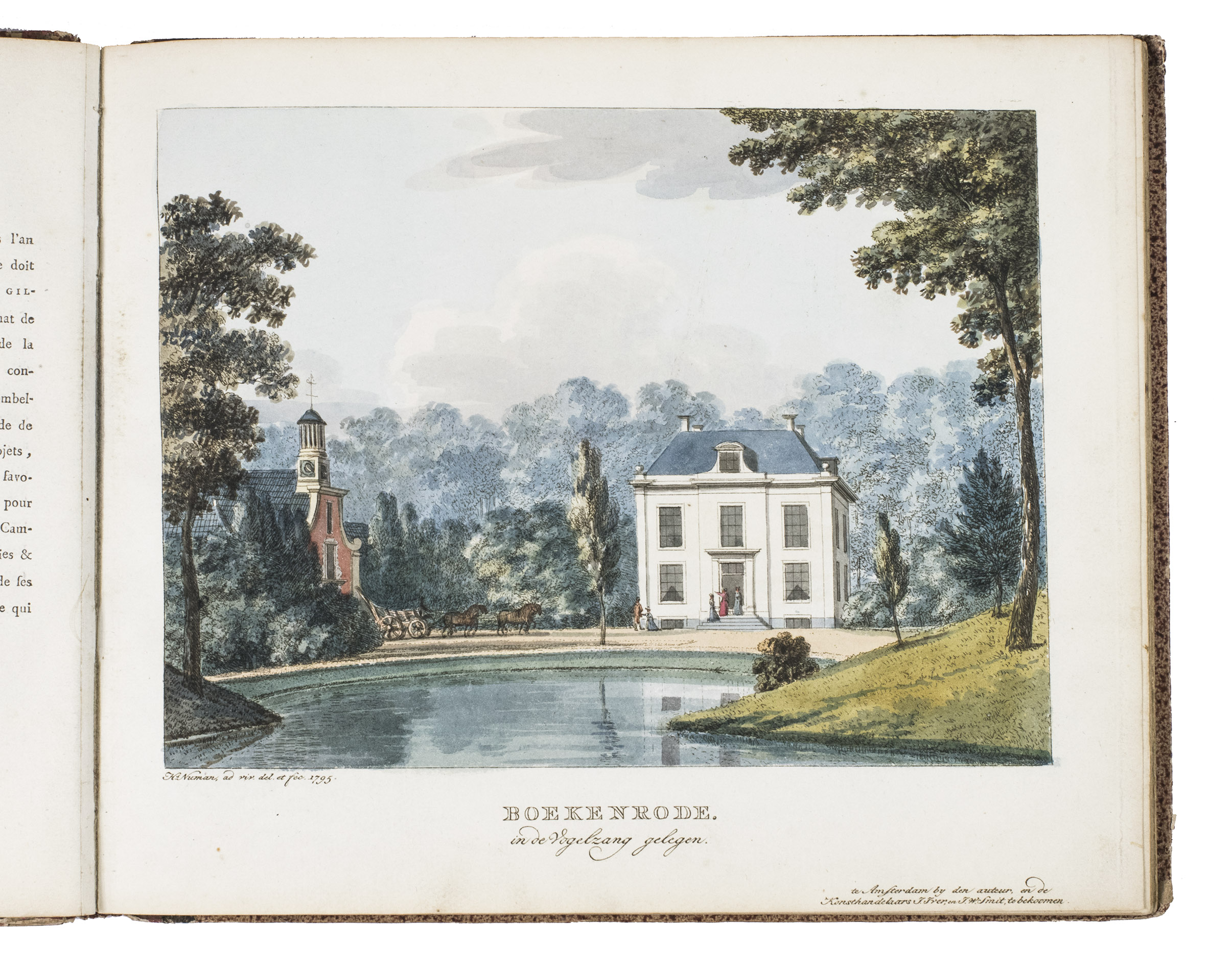
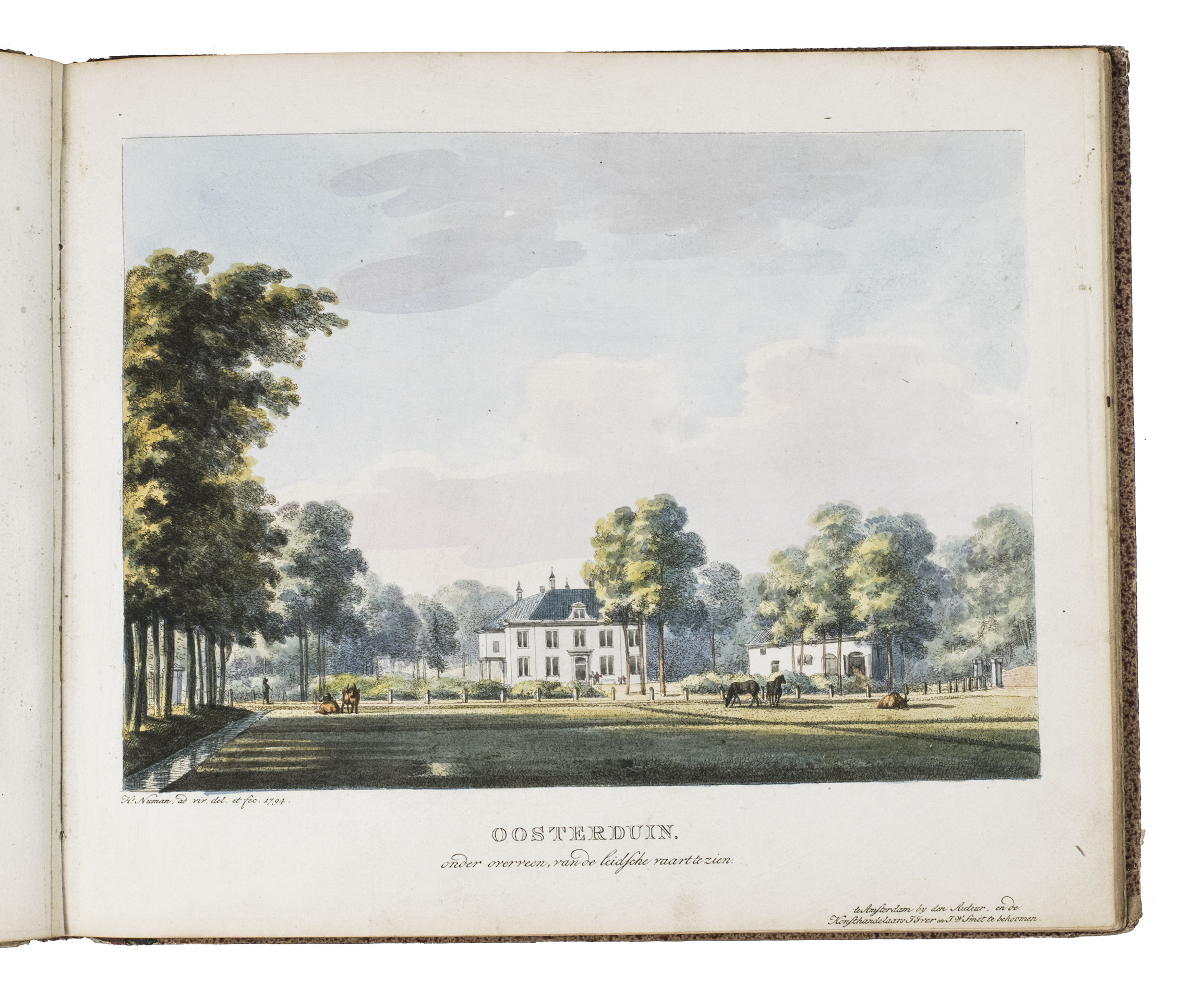
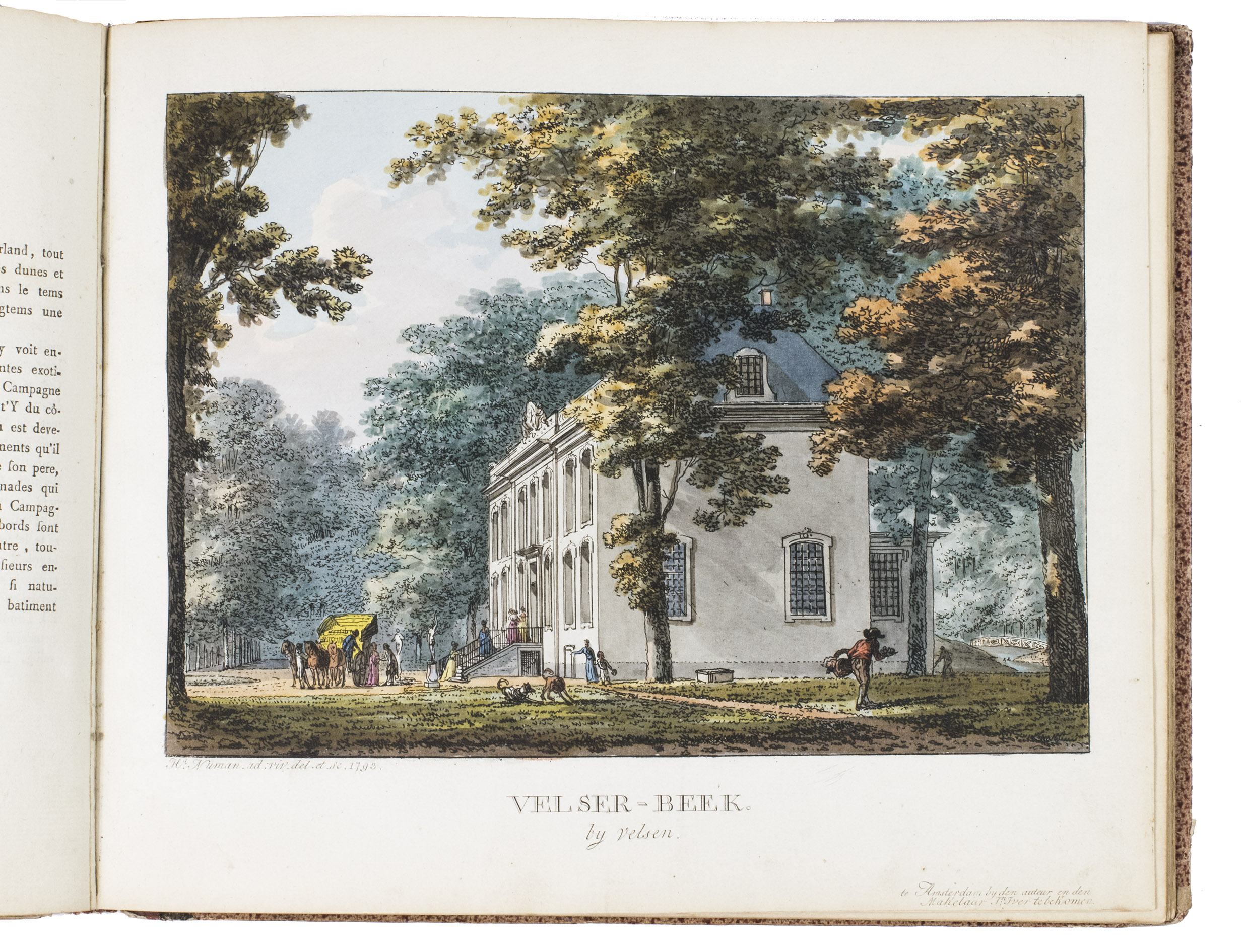
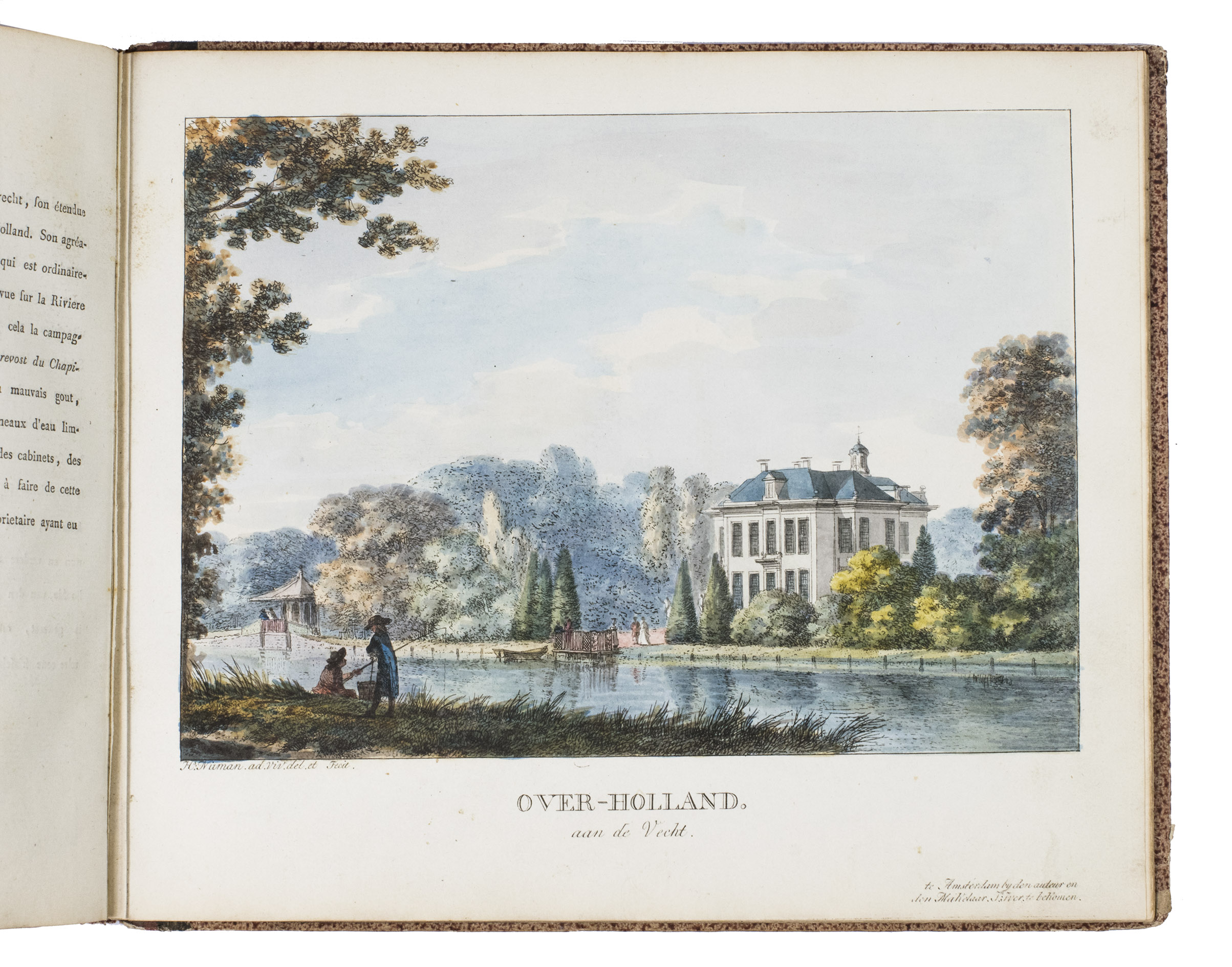
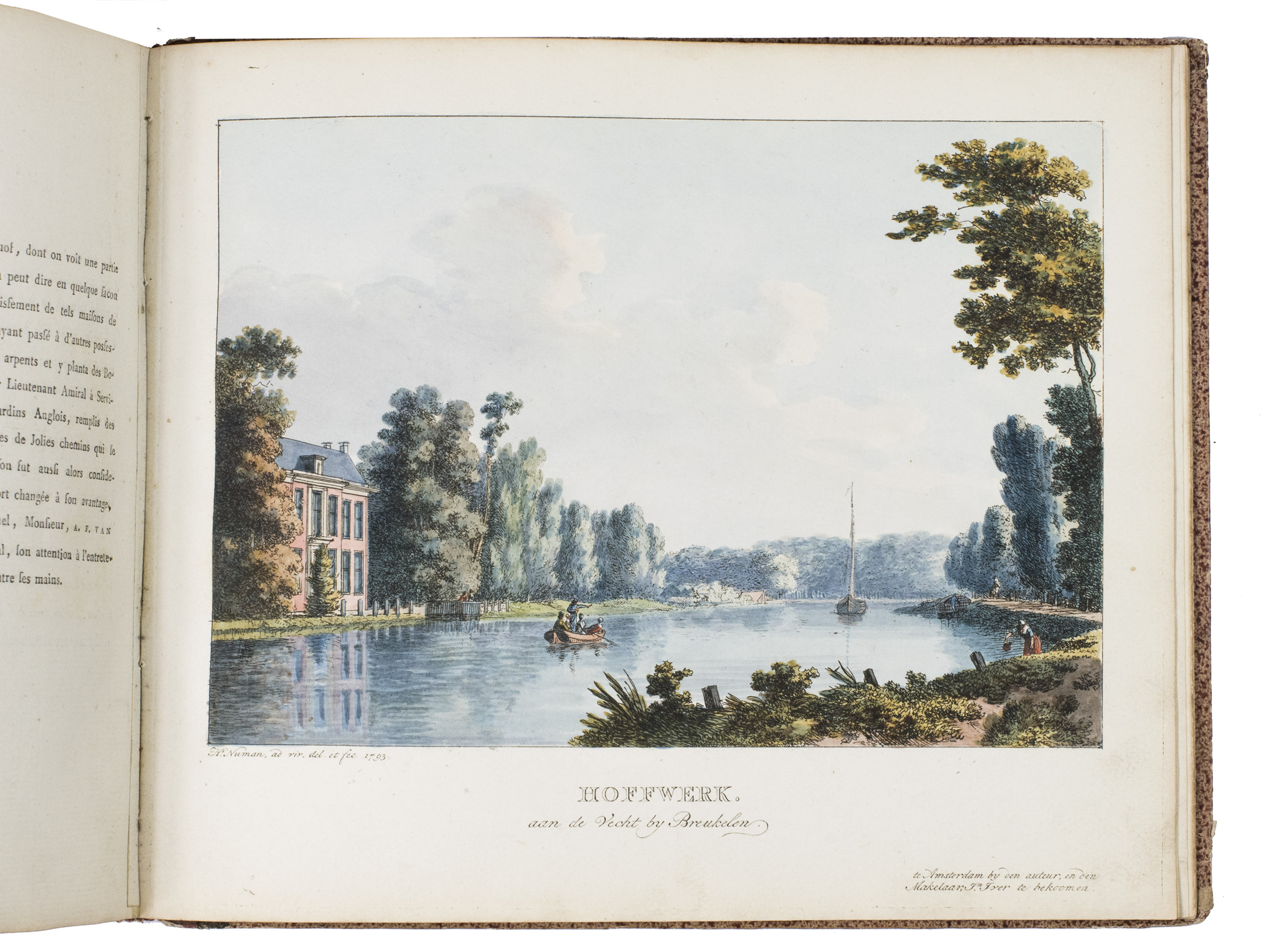
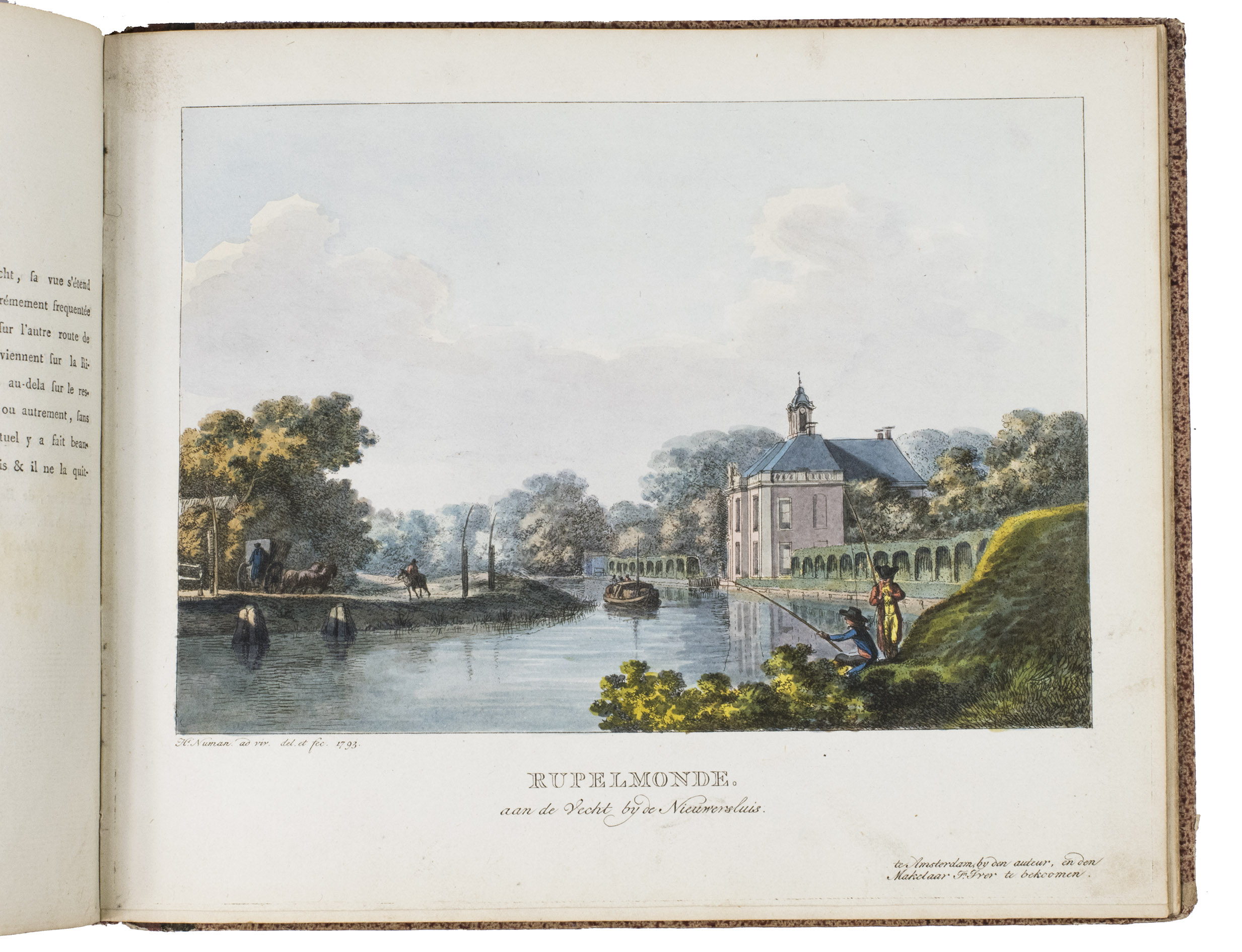
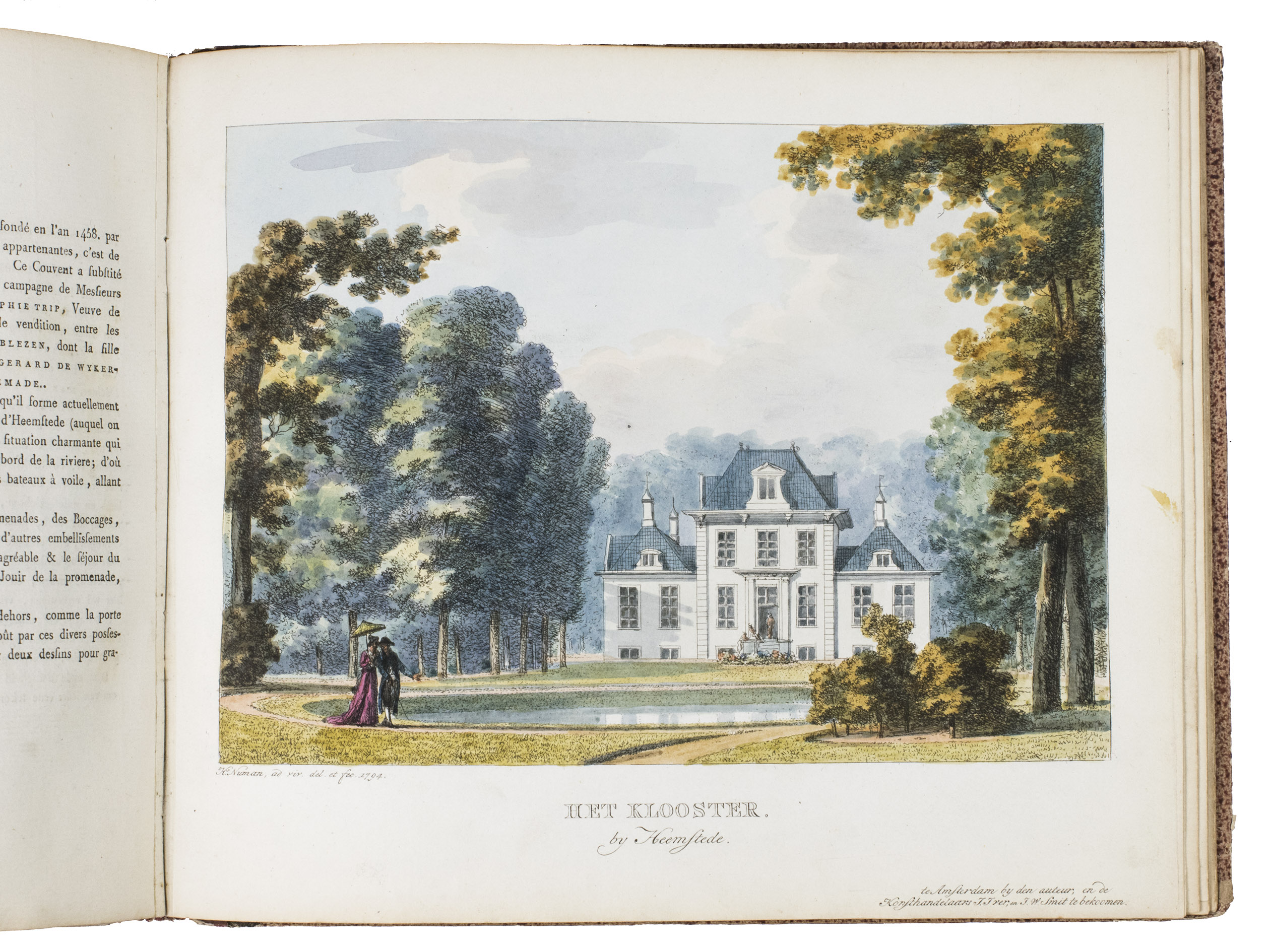
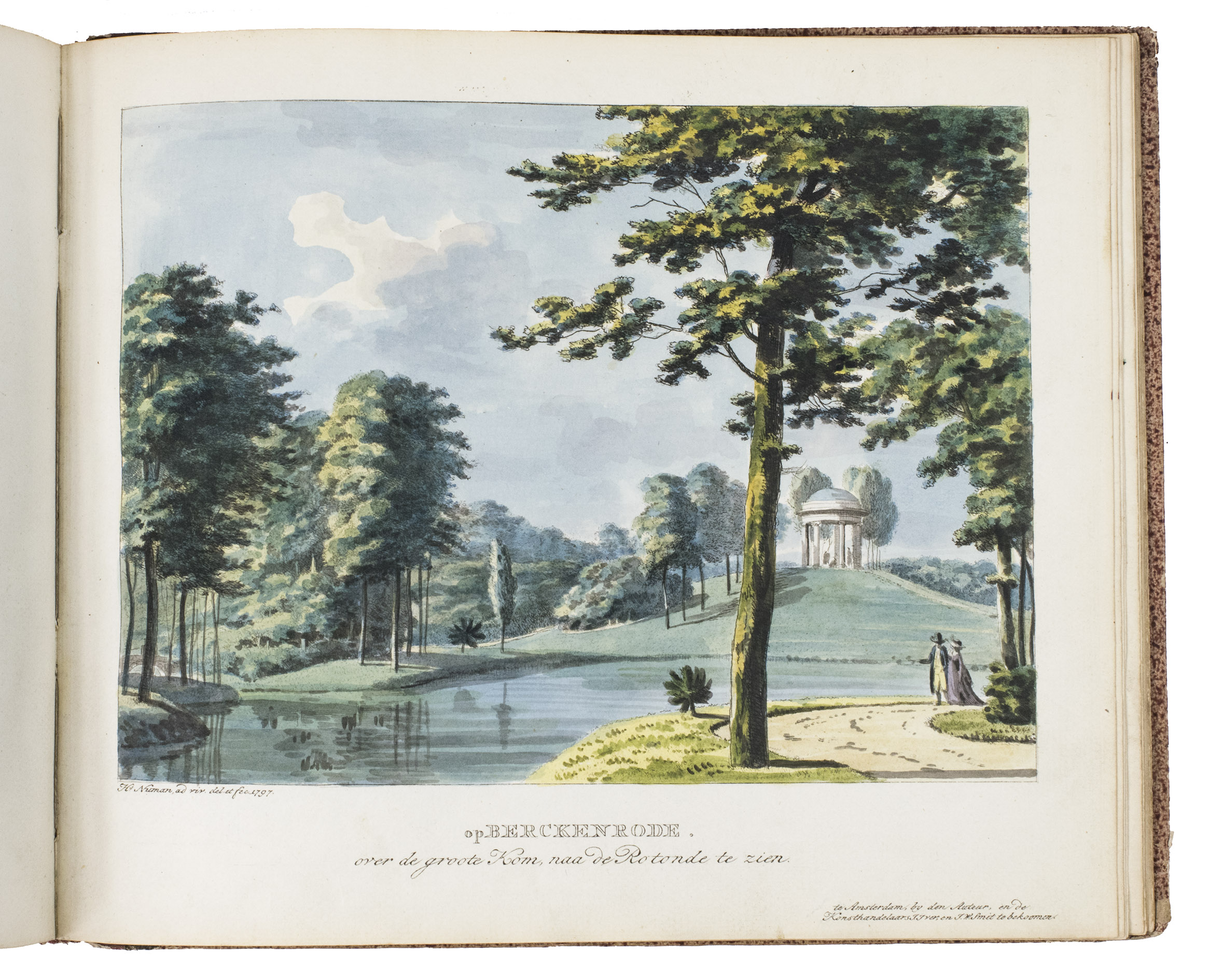
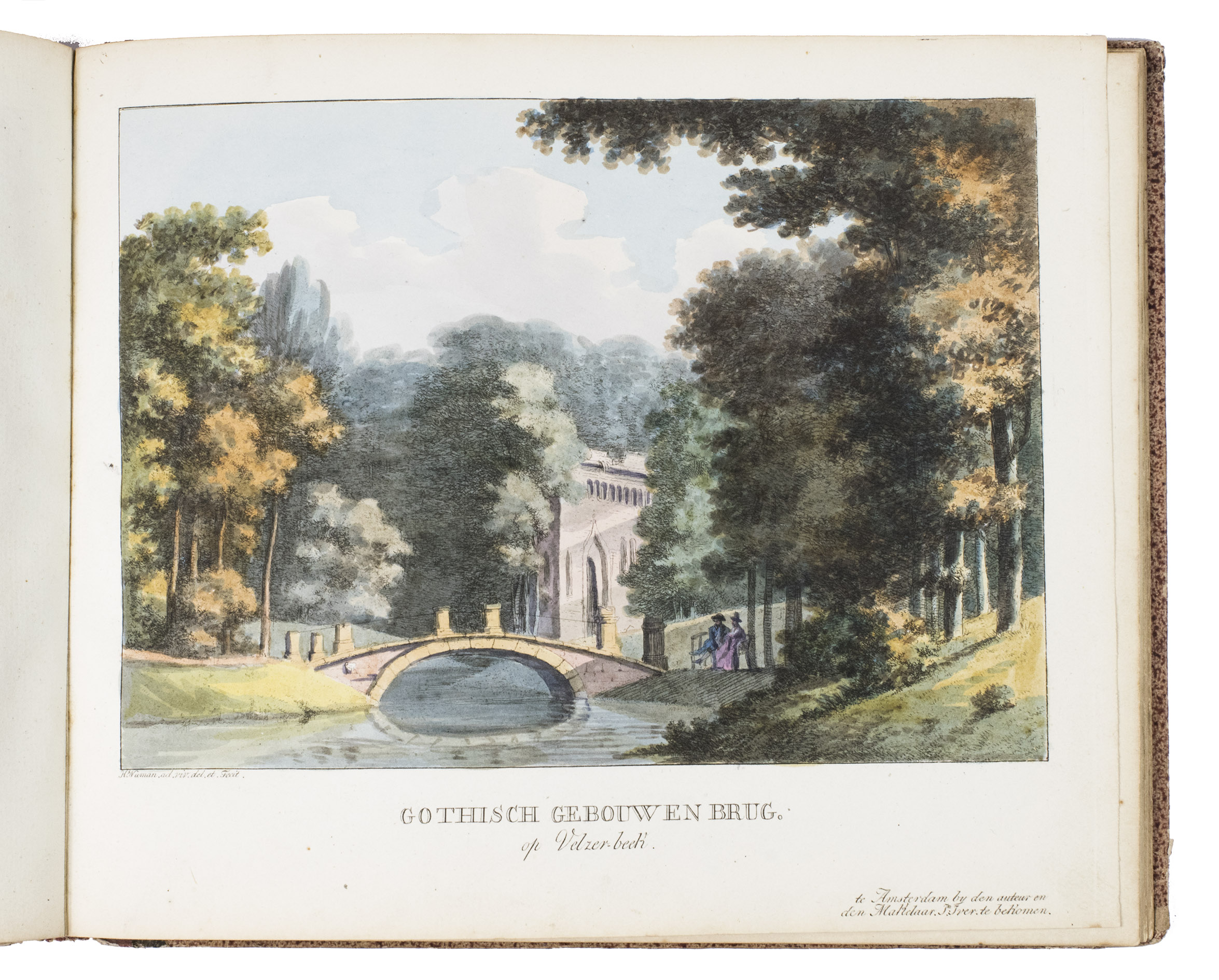
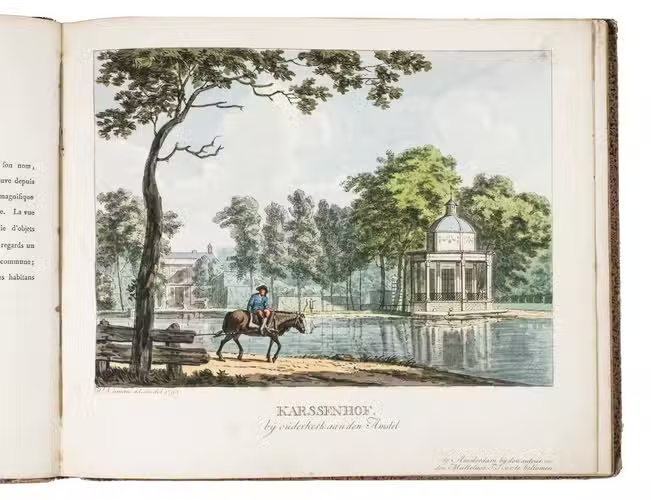
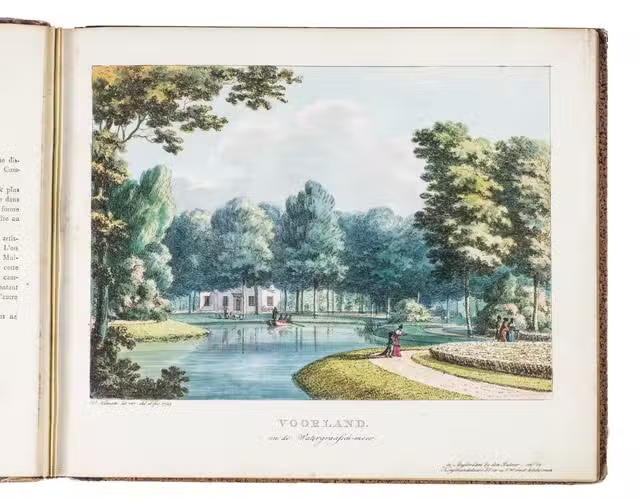
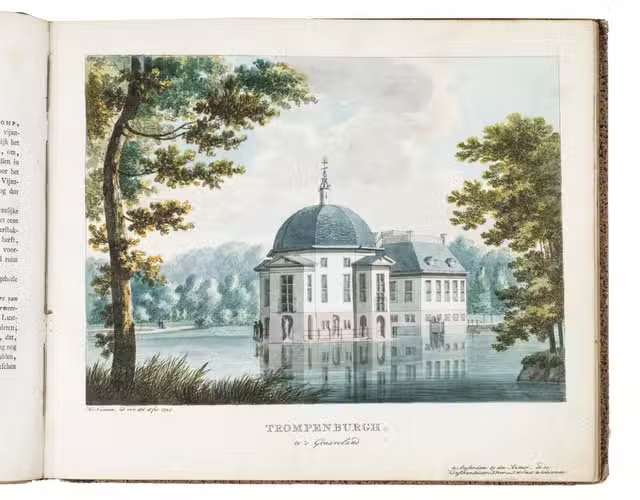
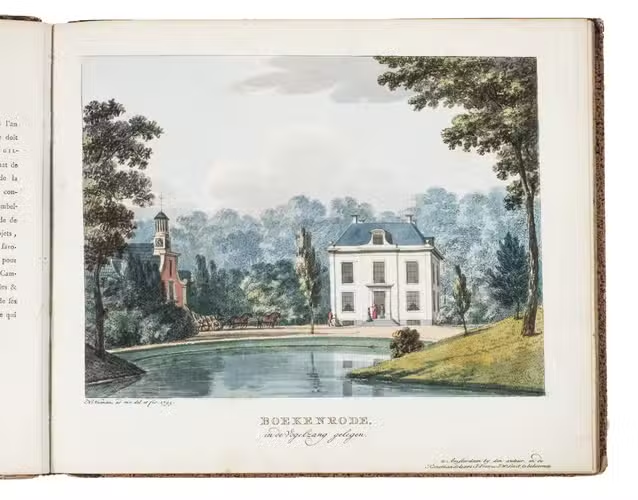
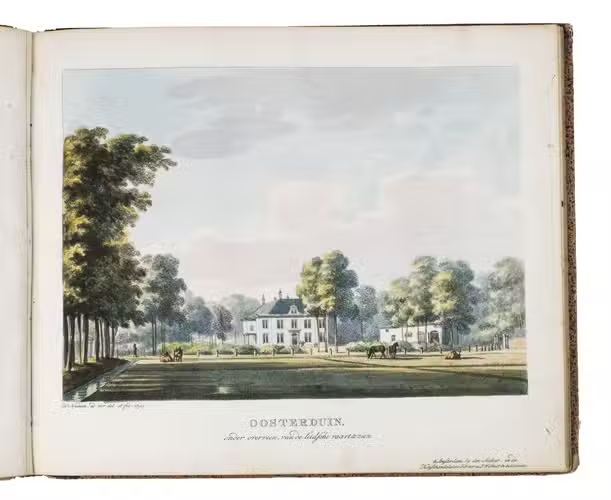
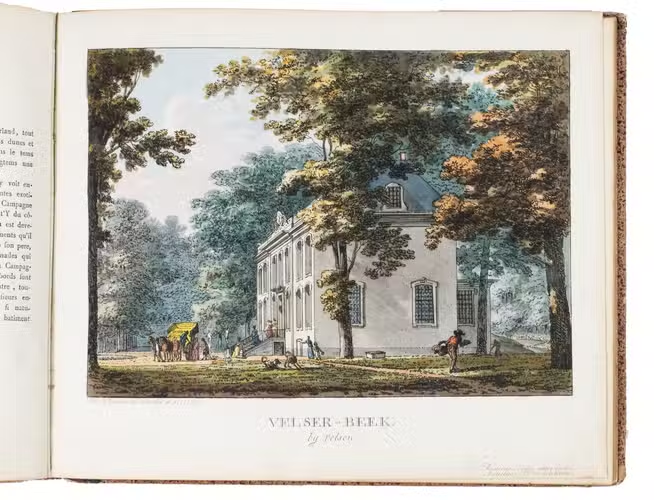
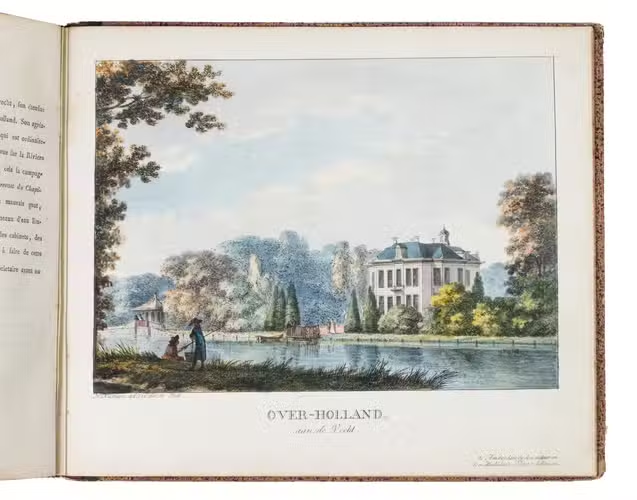
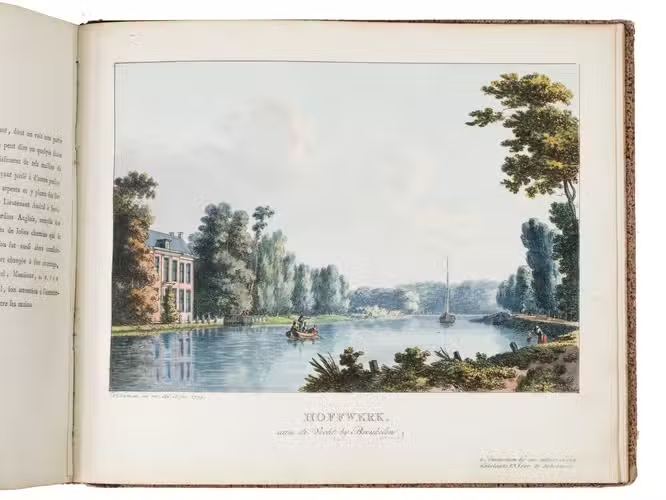
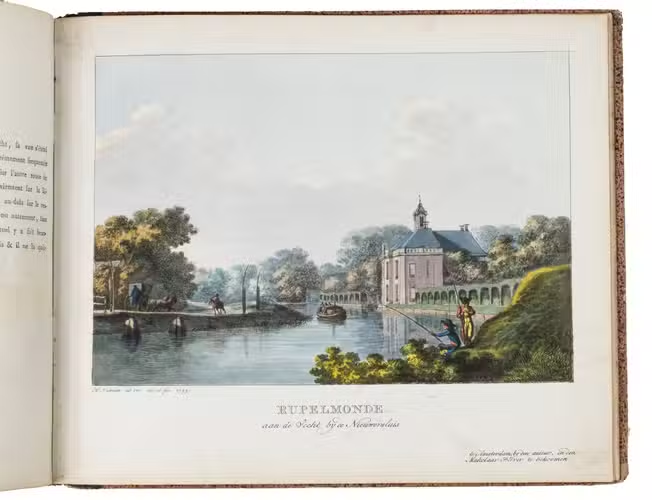
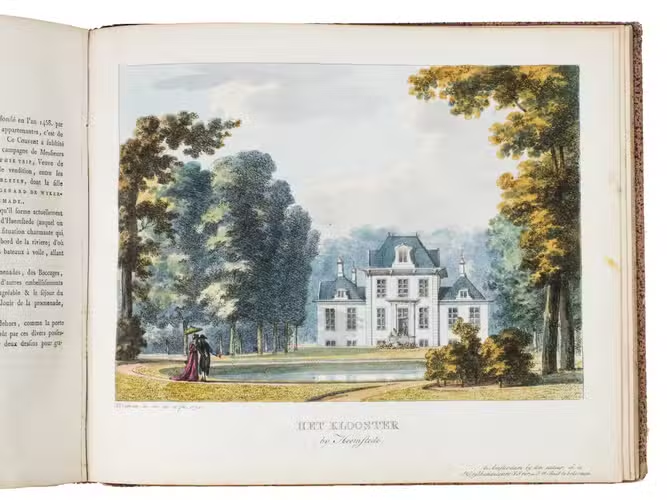
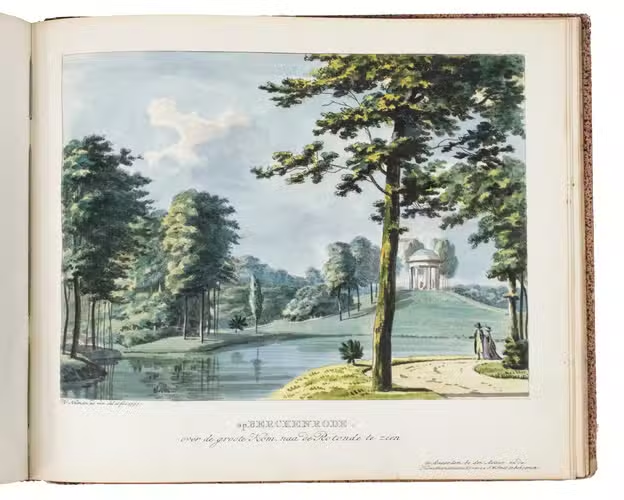
Very rare and fine series of 24 magnificent hand-coloured aquatints of country houses, by the Dutch artist and engraver Hermannus Numan (1744-1820). It was "the first Dutch topographical work published with (coloured) aquatint plates" (Landwehr). "Numan could ... paint subtle water-colours and ... during the period 1793-1797, he published this series of extremely fine engravings ..." (Landwehr). The series, especially complete, is quite rare, as we have only been able to trace three other complete copies in sales records of the past 100 years, and five in institutions.
The work contains beautiful views of 14 mansions, mainly in the surroundings of Haarlem and near De Vecht. Ten of the houses are represented with two plates, the second mainly giving an impression of the surrounding gardens. With accompanying short descriptions of the situation and appearance of the country house and gardens, history and possessing families of each of the 14 houses (on the rectos of the 14 text-leaves) and a French translation on the versos. The aquatints are all signed in the plate by Numan
Numan was born in Groningen where he worked as a decorative painter, draughtsman and etcher of landscapes and portraits. Around 1768 Numan went to Paris to complete his studies under the financial support of Petrus Camper (1722-1789). In 1771 he returned to Groningen before settling in Amsterdam where he enrolled in the drawing academy. He worked with Jurriaan Andriessen (1742-1819) on stage sets for the new theatre and, as a member of the society "Felix Meritis", he gave drawing lessons to amateurs. Furthermore he painted landscapes and portraits and developed into one of the most accomplished watercolourists of his day. Together with Anthonie Andriessen (1746-1813) and Aert Schouman (1710-1792), he can be counted among the best Dutch watercolourists of the 18th century.
In 1793 he sent out a prospectus with two hand-coloured prints of two country houses, inviting subscribers for a whole series of such pictures. The series of 24 extremely fine aquatints was indeed published in 1797, in instalments. The magnificent hand-coloured aquatints (combined with line etching) all depict recently modernised estates and gardens which were transformed following the new English garden style. In the accompanying texts Numan showed himself to be a fervent advocate of this new style and his series has played an important role in the renewing of garden architecture at the end of the 18th century in Holland.
The edges and corners of the boards and spine are somewhat scuffed. The work is lightly browned throughout, with a few light stains and mild finger soiling. Otherwise in good condition. Broeke, M. van den., Voor lieden van kunde en smaak. Nieuwe gegevens over de Vierentwintig printtekeningen ... verbeeeldende Hollandsche Buitenplaatzen van Hermannus Numan, in: Delineavit et sculpsit, no. 35 (dec. 2012); Buijnsters-Smets, Hollandse Buitenplaatsen anno 1797. Een album van 24 gekleurde "Printtekeningen" door H. Numan, in: Antiek, 14/4 (1980), pp. 245-258; Van Eynden/Van der Willigen, 3 (1820), pp. 25-28 and 4 (1840), p. 5. cf. Oldenburger-Ebbers, C. S., [a.o.], Bibliogr. achttiende-eeuwse Nederl. boeken ... tuinarchitectuur en -beplanting, in: Documentatieblad werkgroep achttiende eeuw, no. 40 (sept. 1978), pp. 1-16; Thieme/Becker, 25 (1931), p. 536.
Related Subjects: