JEAURAT, Edme-Sebastien.
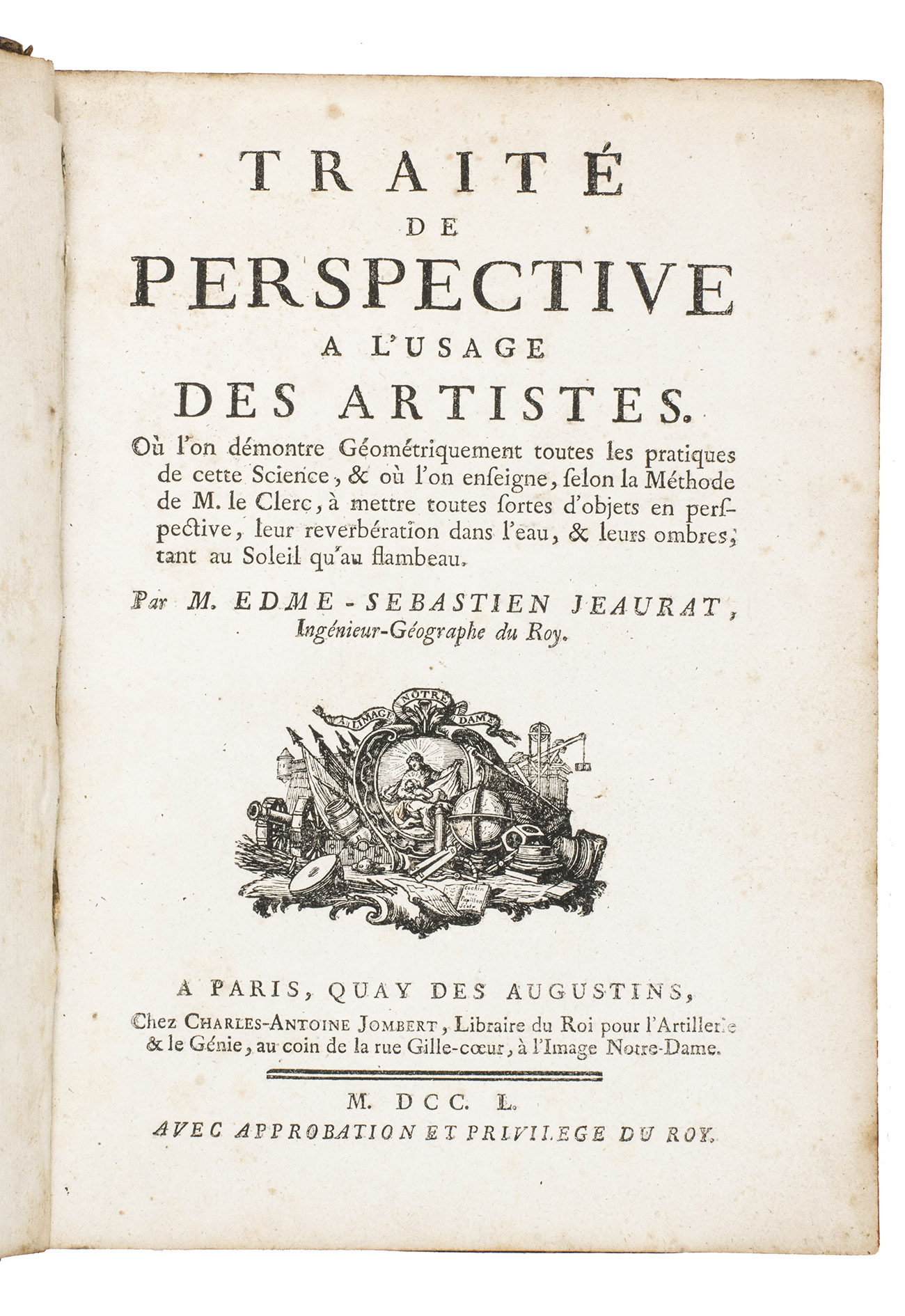
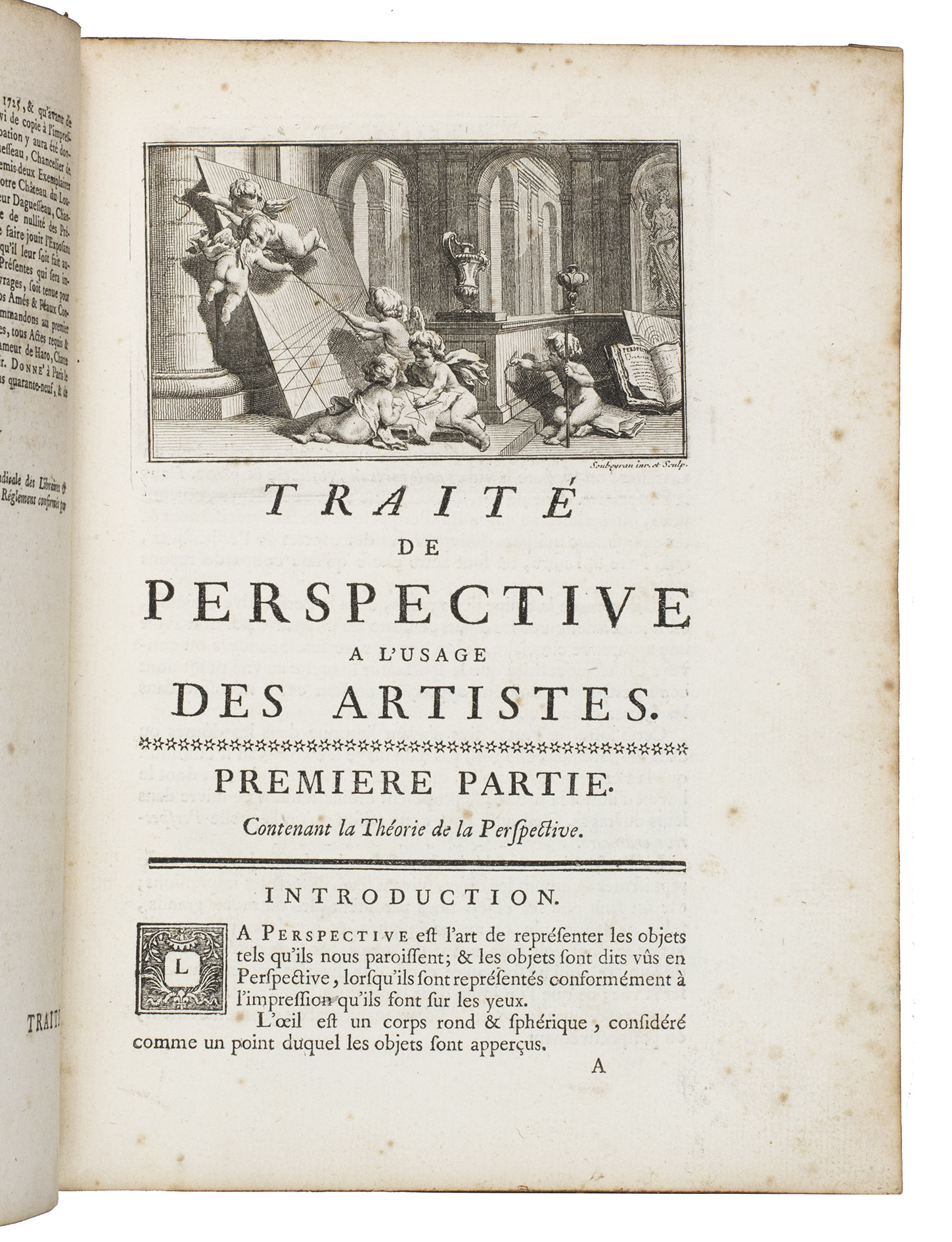
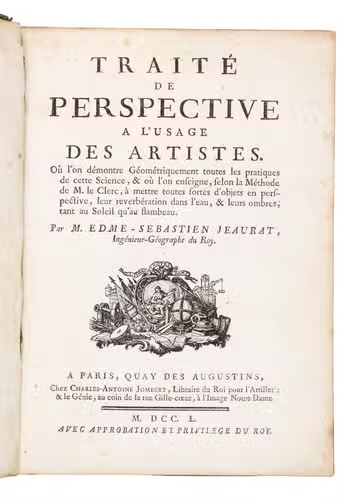
Traité de perspective a l'usage des artistes. Ou l'on démontre géométriquement toutes les pratiques de cette science, & ou l'on enseigne, selon la méthode de M. le Clerc, à mettre toutes sortes d'objets en perspective, leur reverbérations dans l'eau, & leurs ombres, tant au soleil qu'au flambeau.
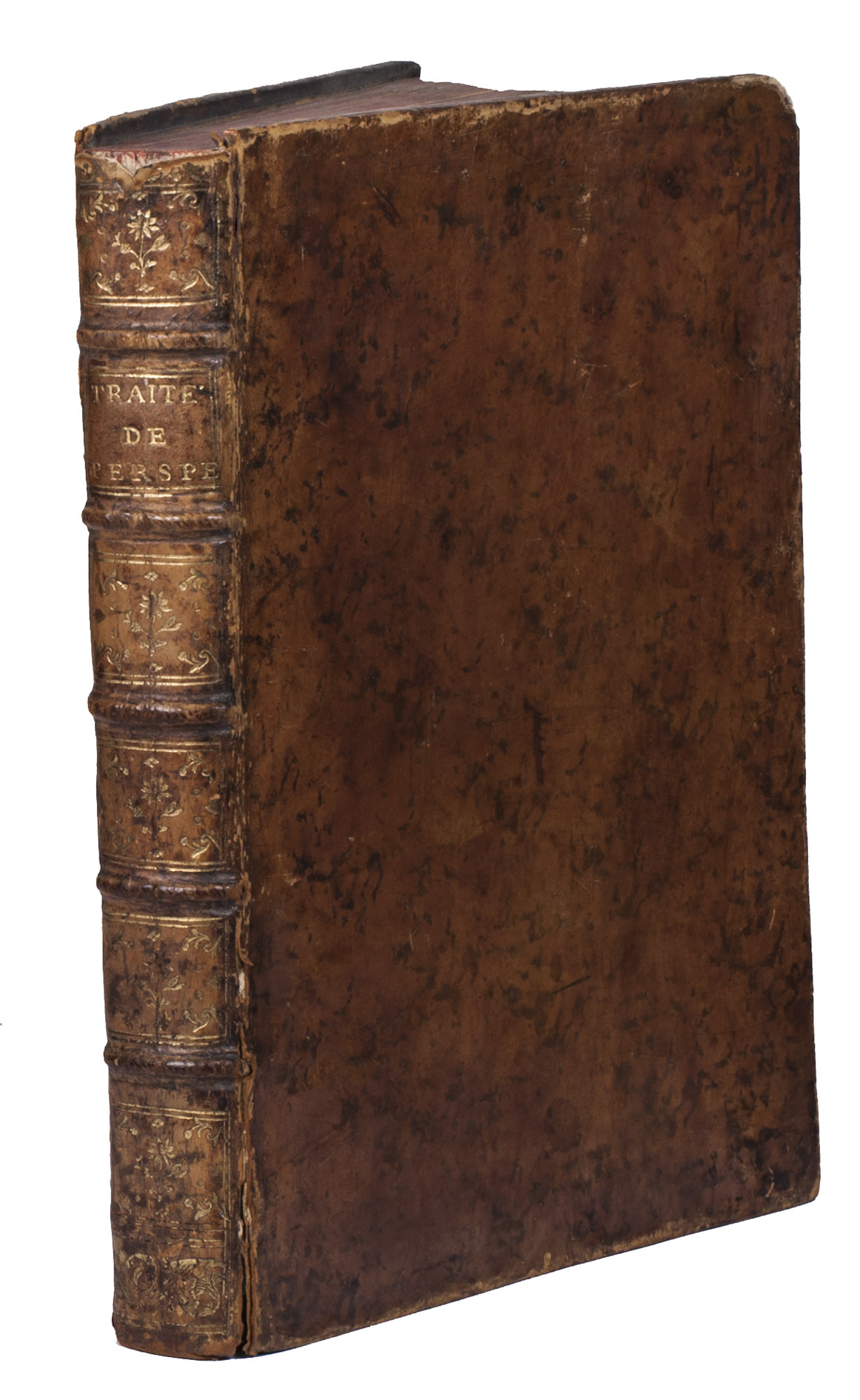
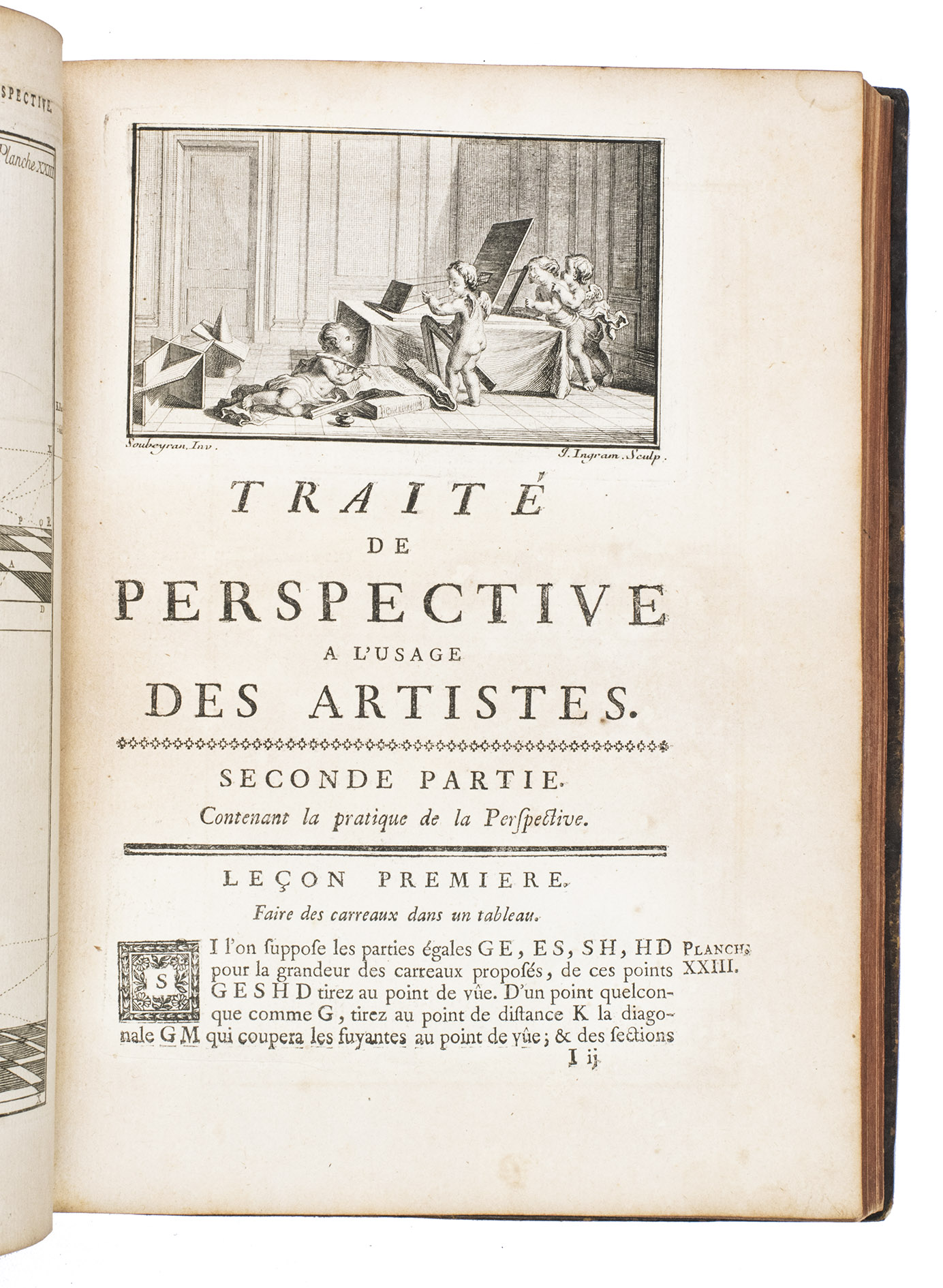
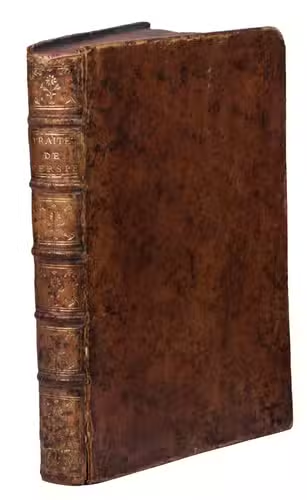
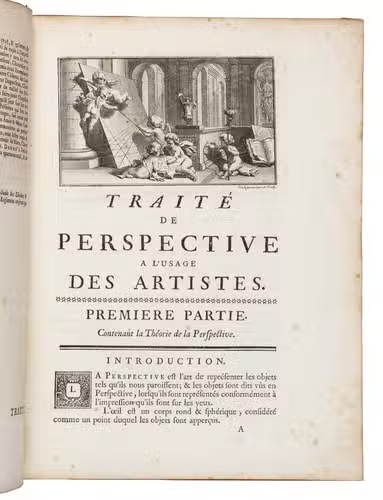
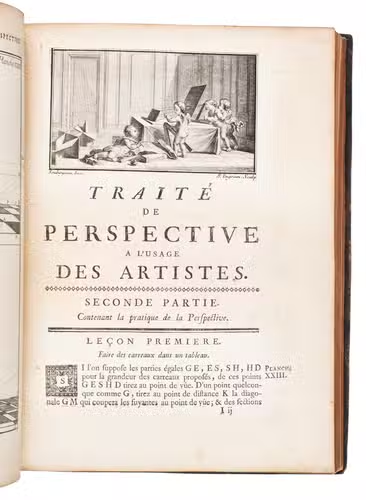
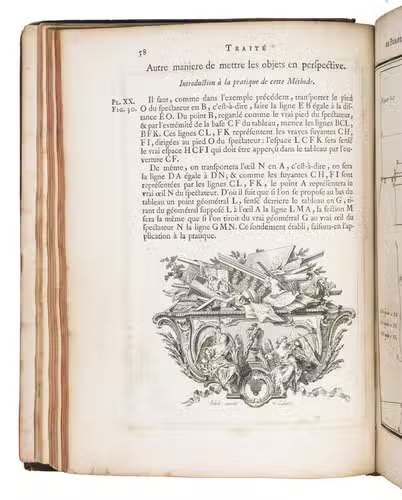
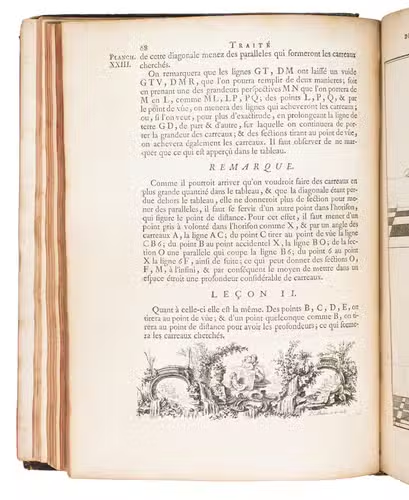
Paris, Charles-Antoine Jombert, 1750. 4to. With an allegorical woodcut vignette on the title page, 2 engraved headpieces by P. Soubeyran, 72 large tailpieces by P. E. Babel (including 1 full-page), and 129 engraved plates (including 19 repeats, as usual). Contemporary gold-tooled mottled brown calf. VI, [2], 240, [1], [1 blank] pp.
€ 4,500
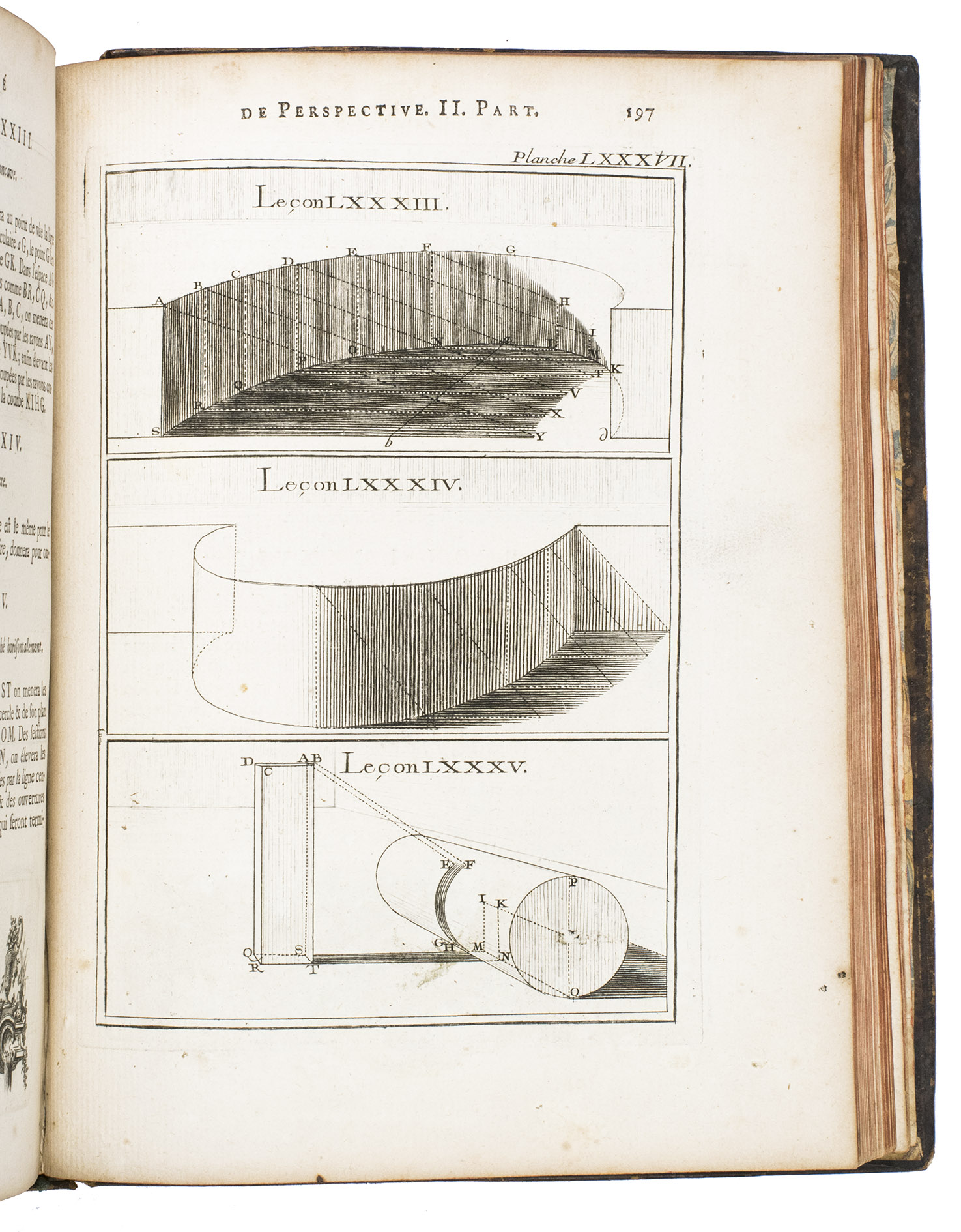
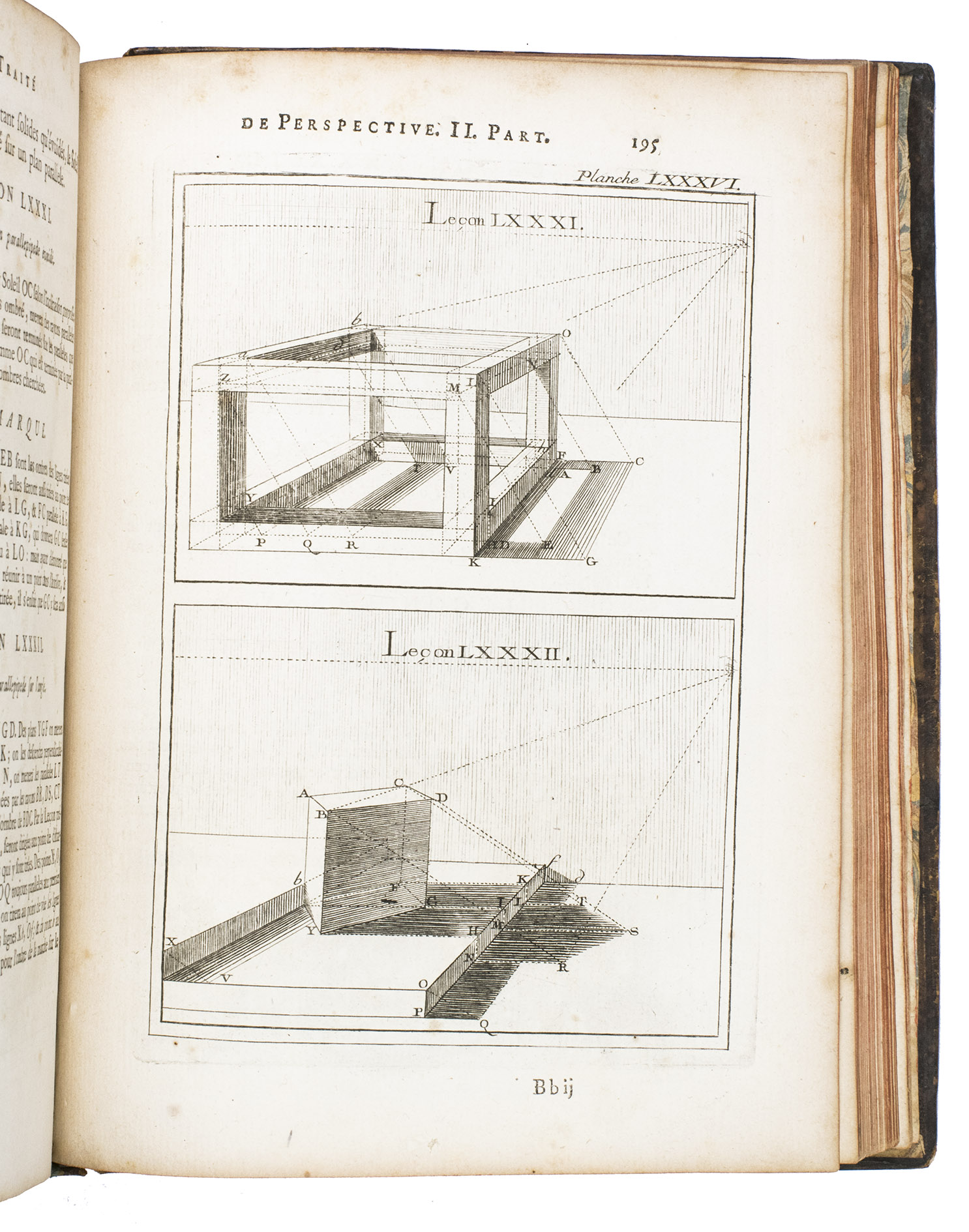
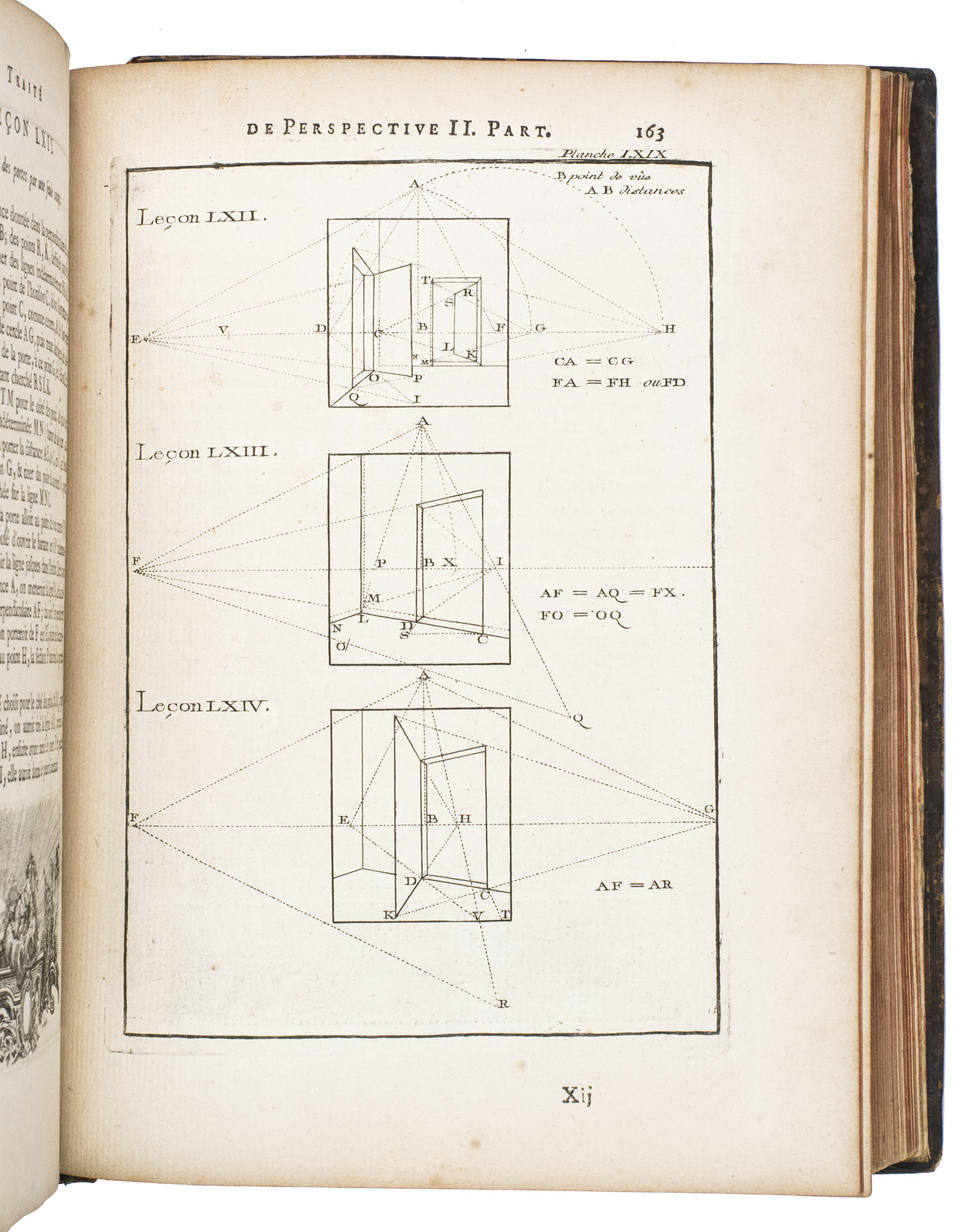
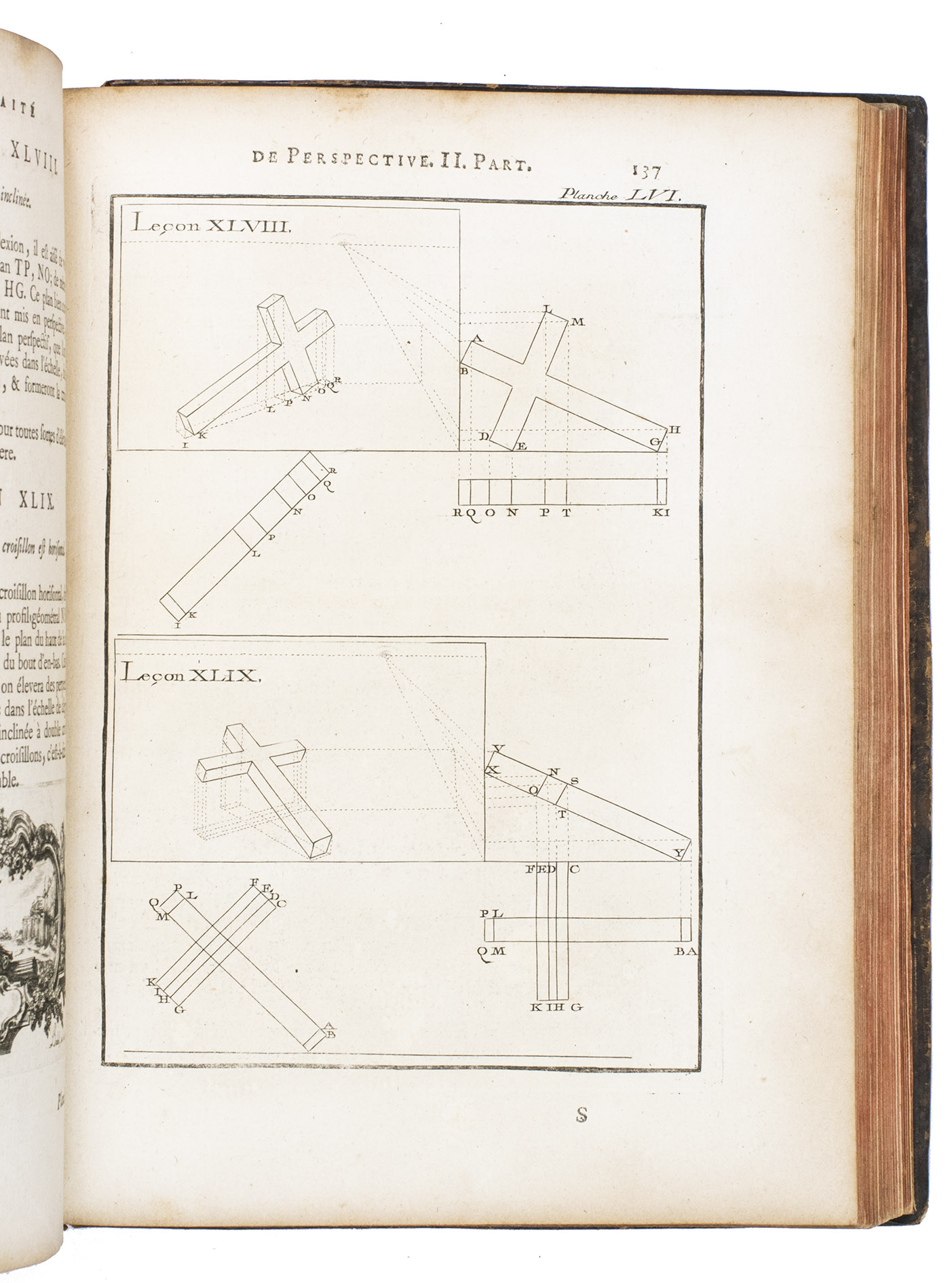
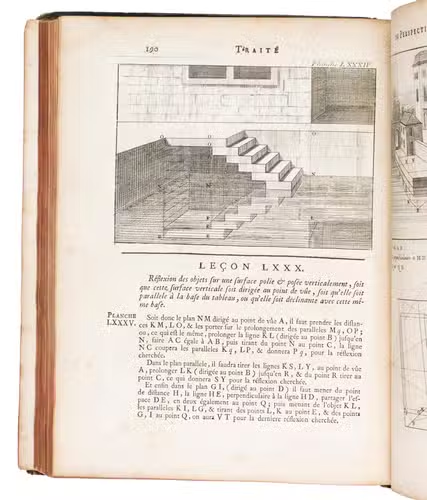
First edition of a beautifully produced and richly illustrated work on perspective, complete with all the plates. The work is meant for students of art and architecture who wished to master the technicalities of perspectival representation. It teaches everything known about perspective at the time in 34 problems and 116 lessons, each discussing a different aspect of perspective, and become gradually more difficult. The treatise was a great success in the 18th century because of its practical and precise qualities. "Cet ouvrage a été longtemps estimé" (Brunet).
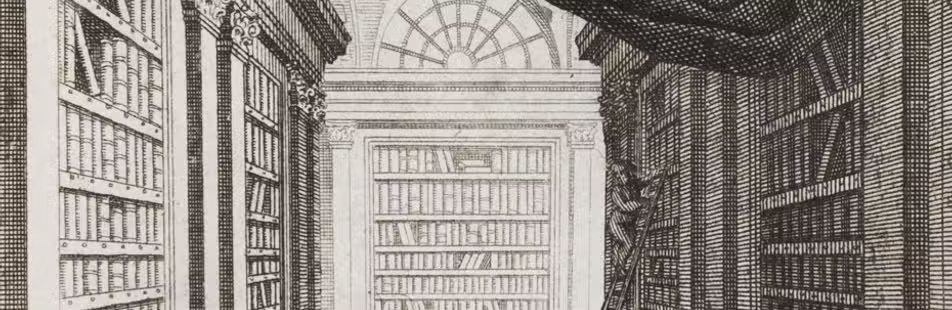
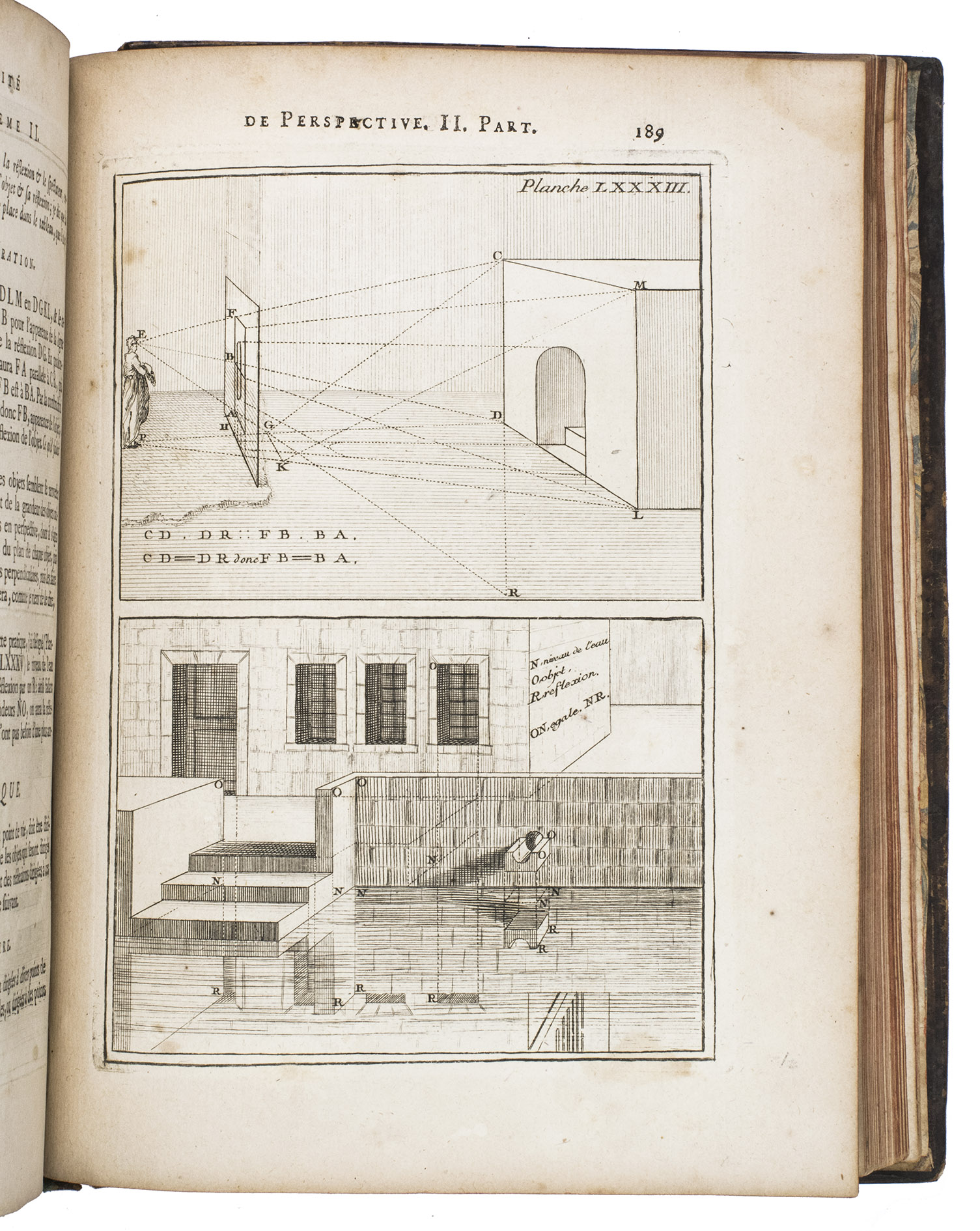
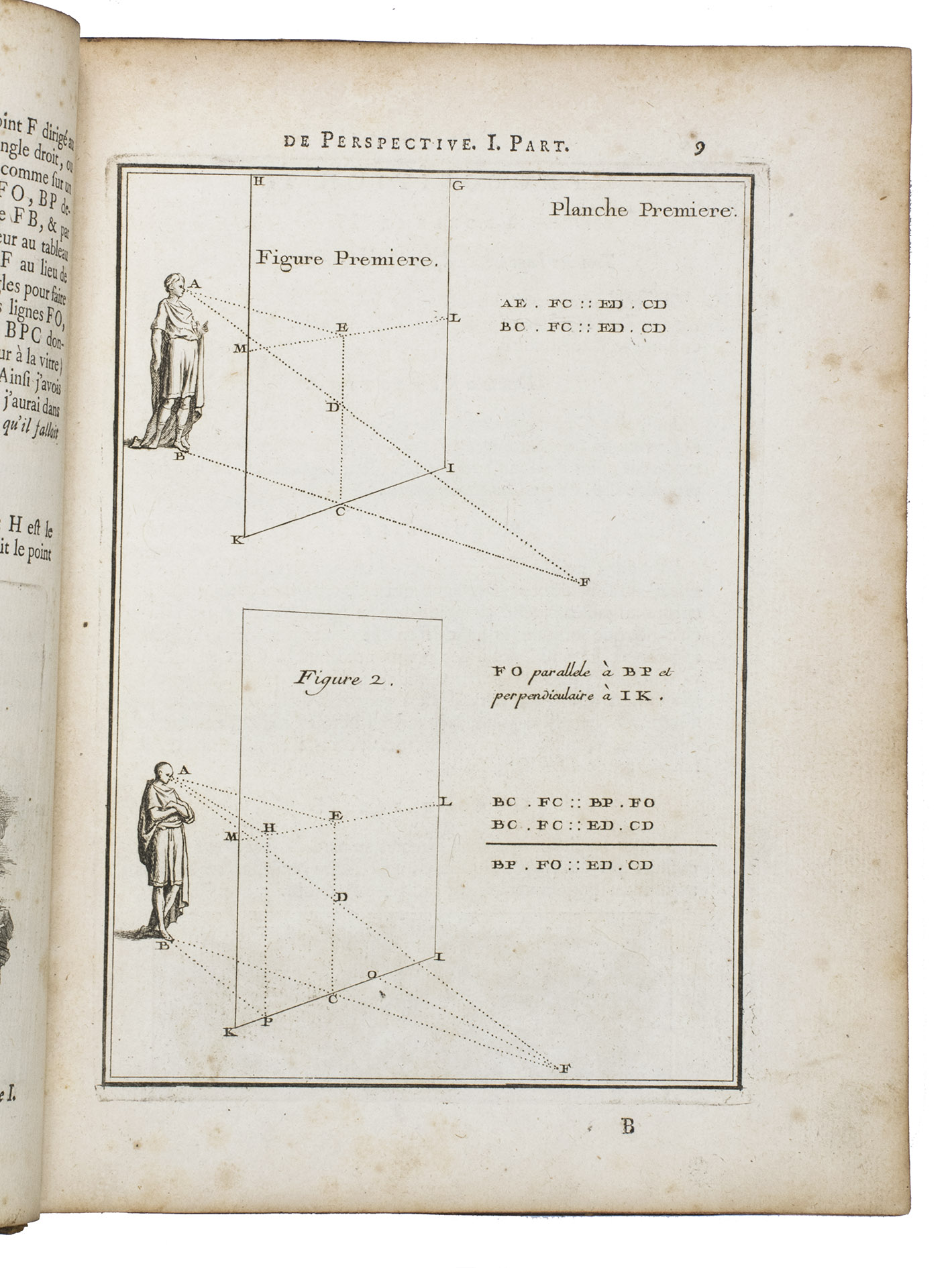
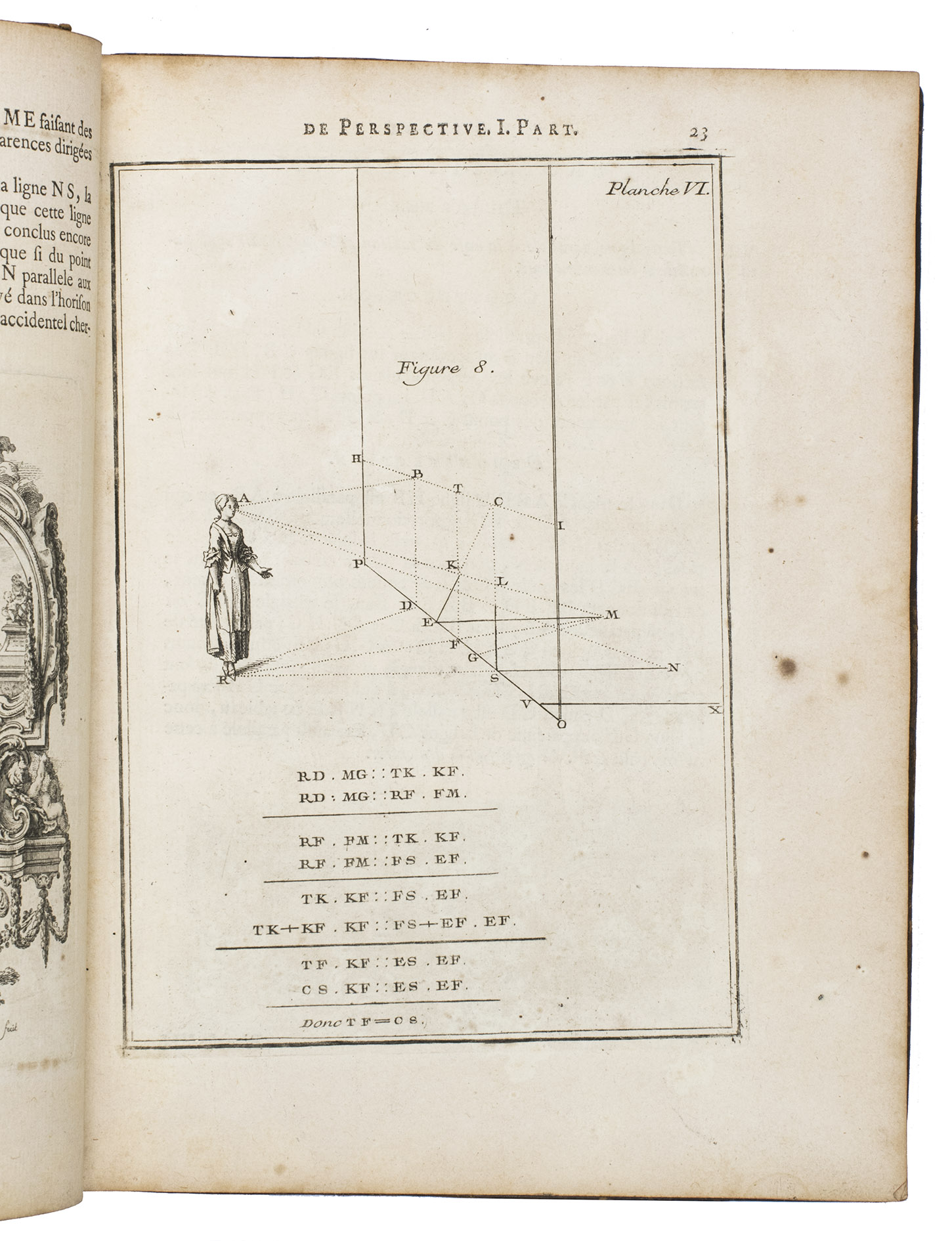
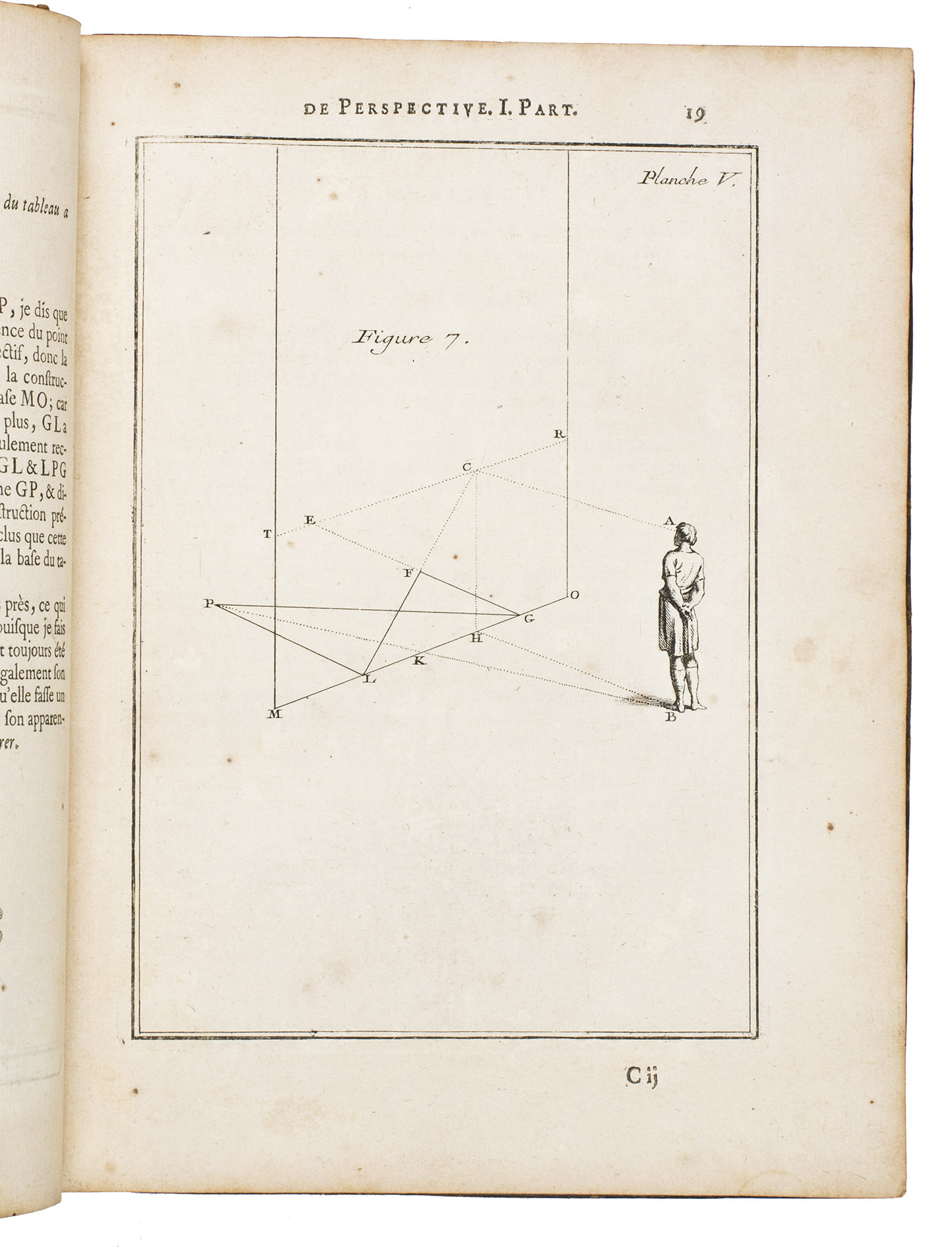
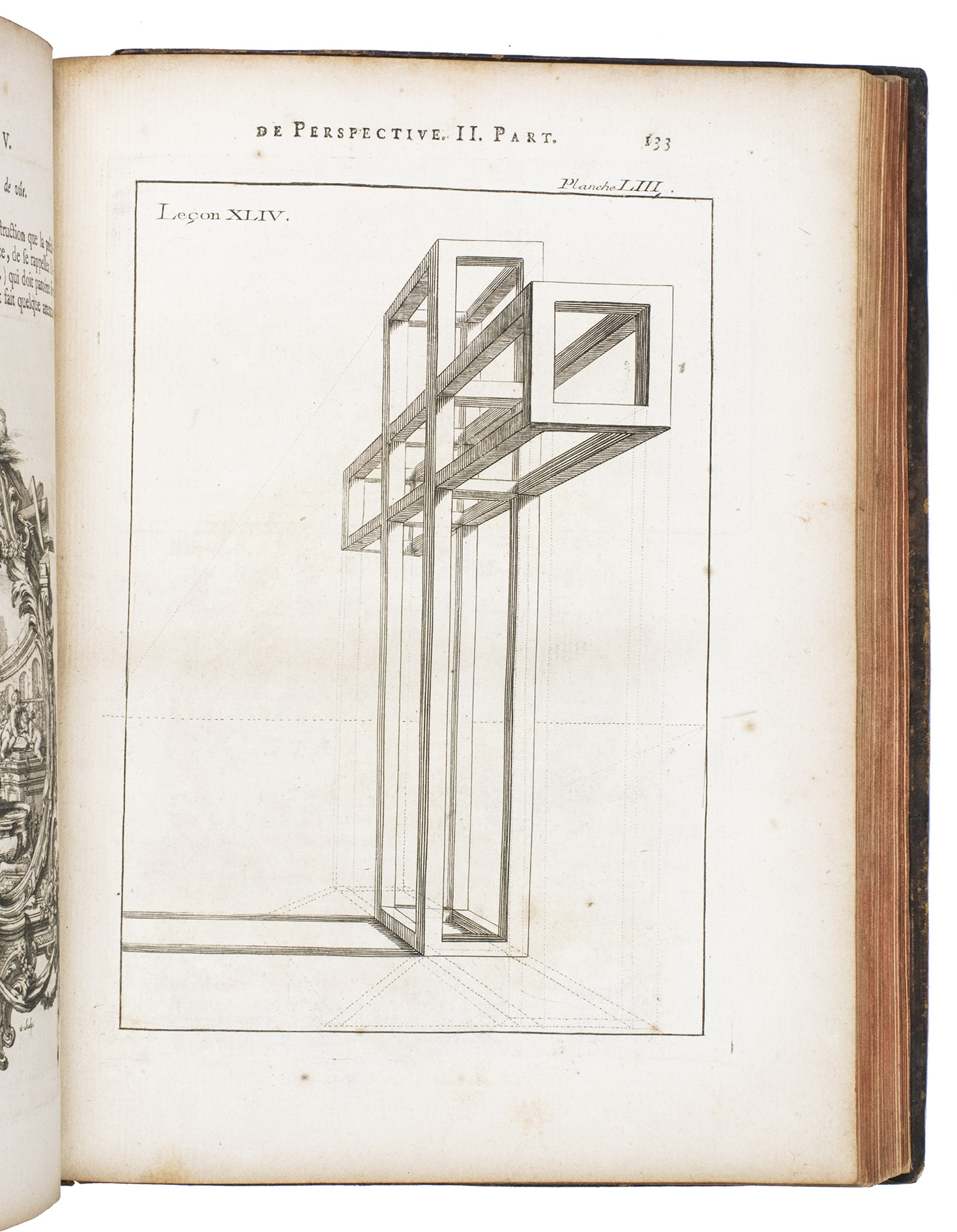
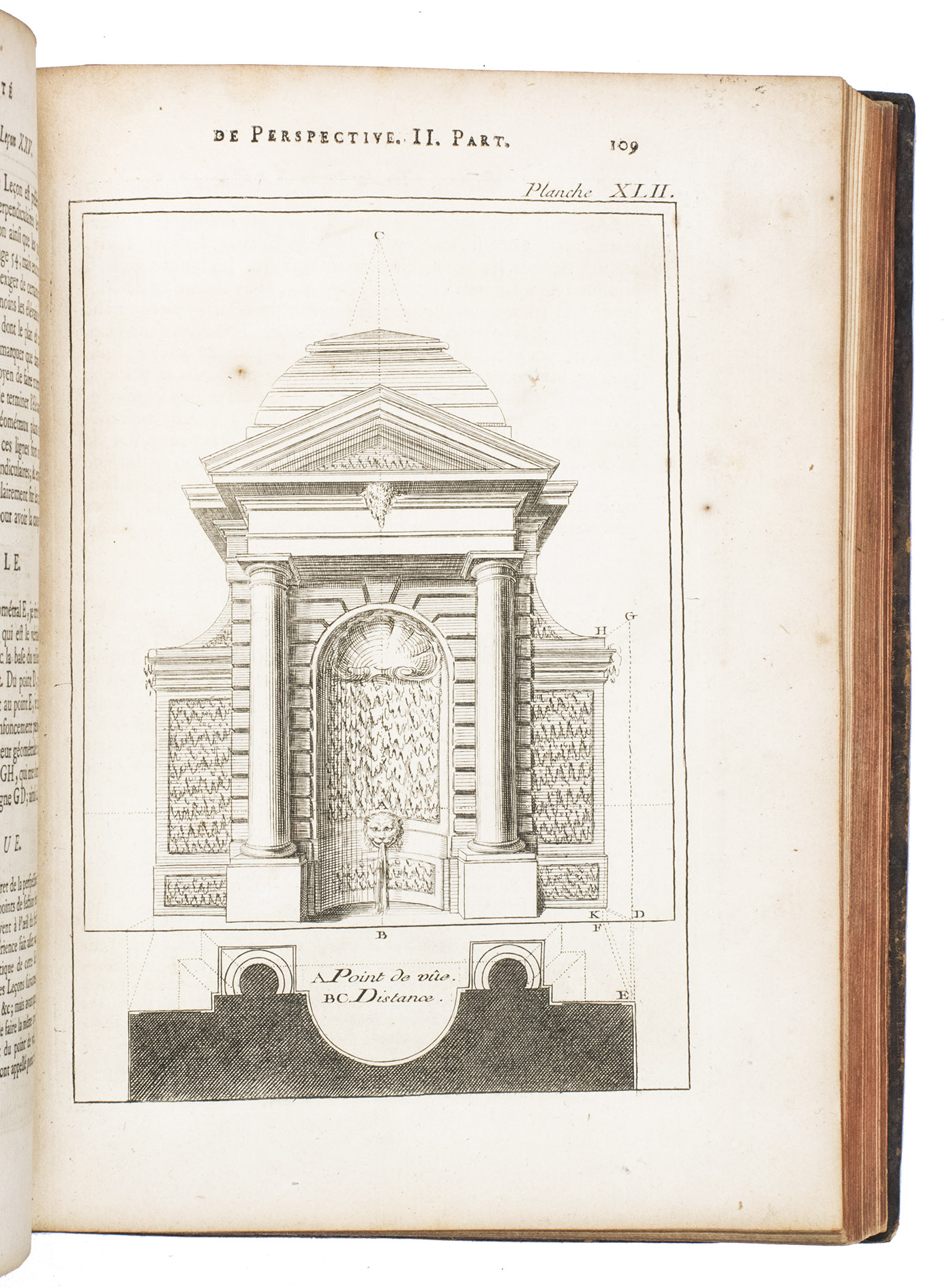
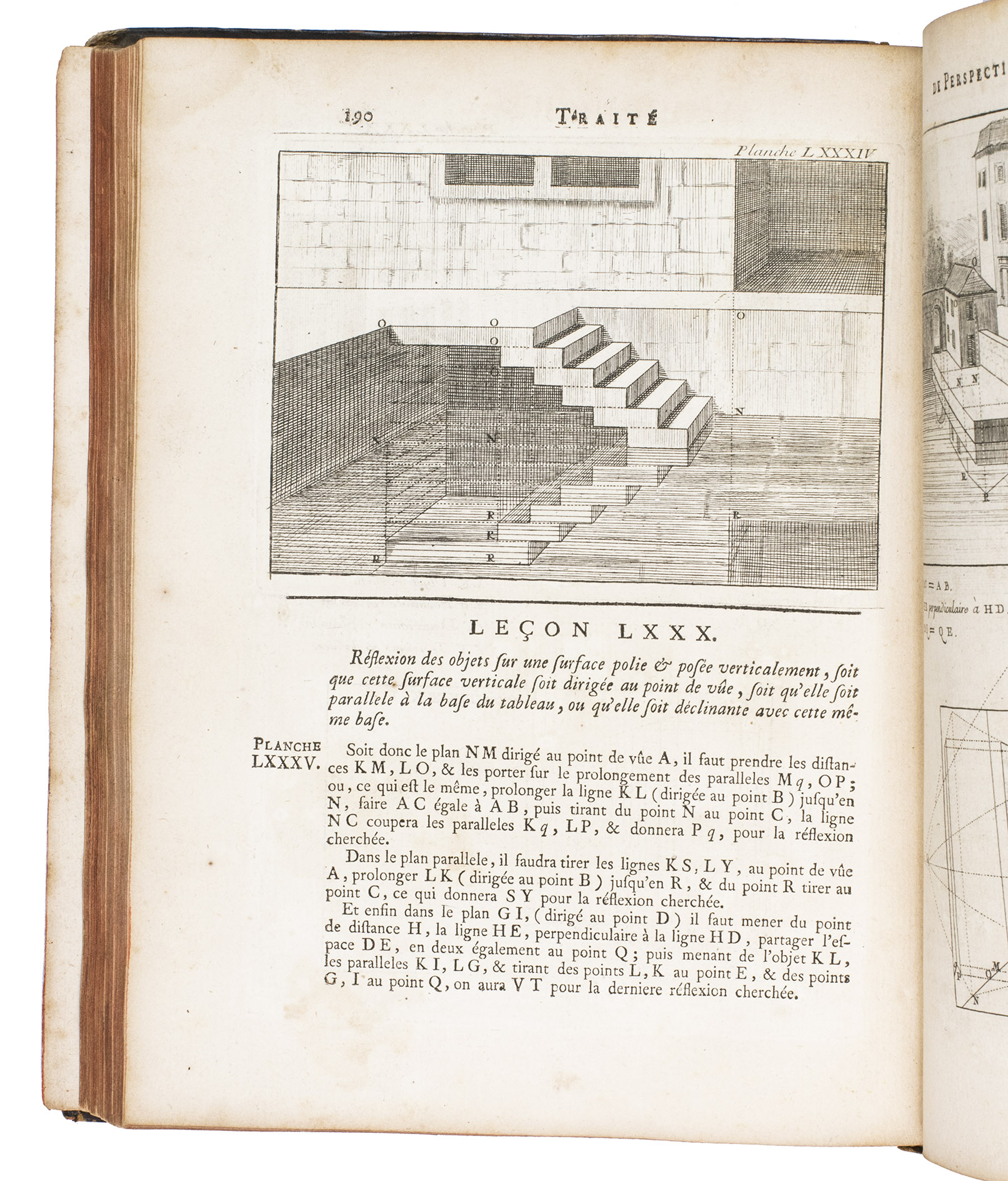
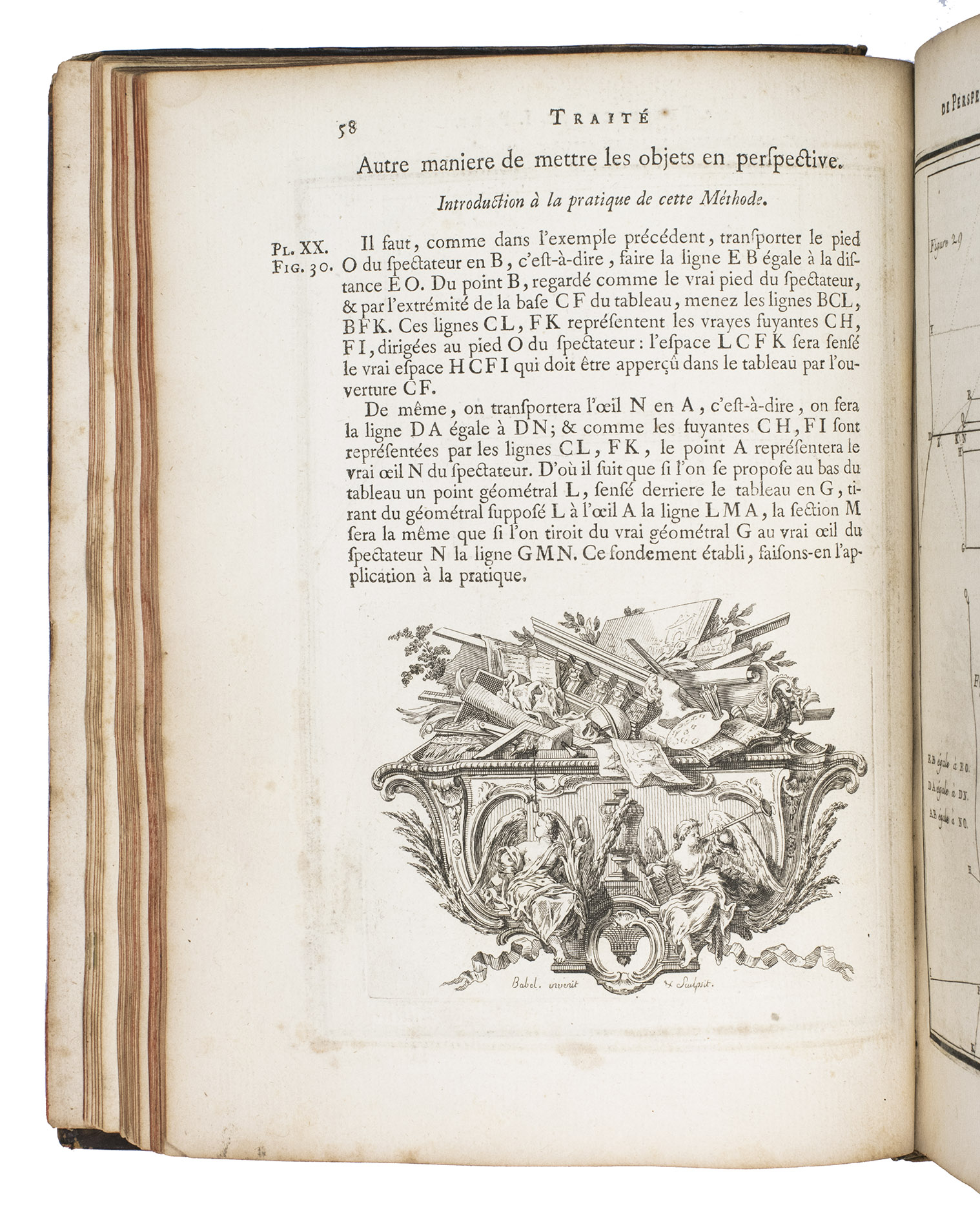
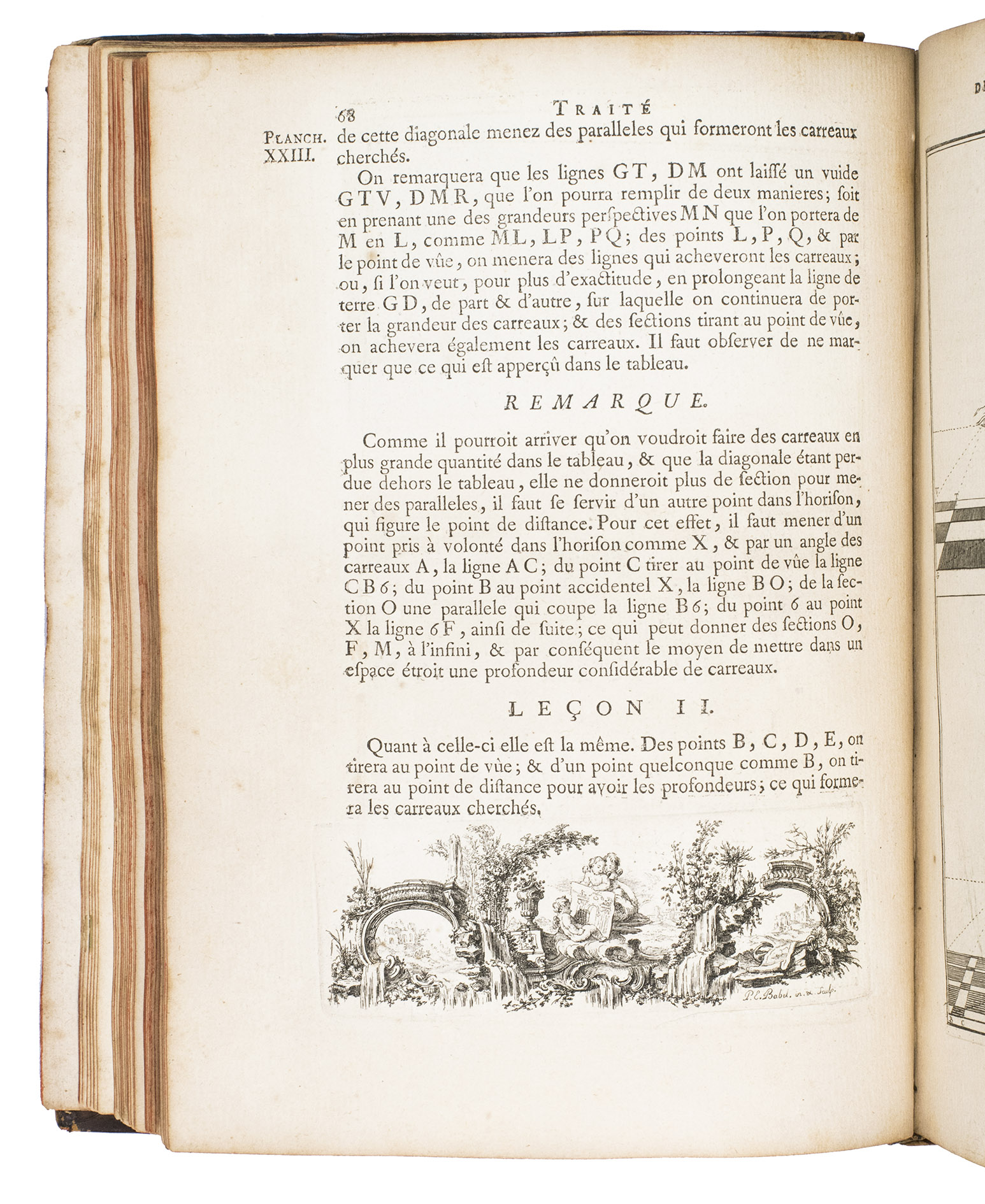
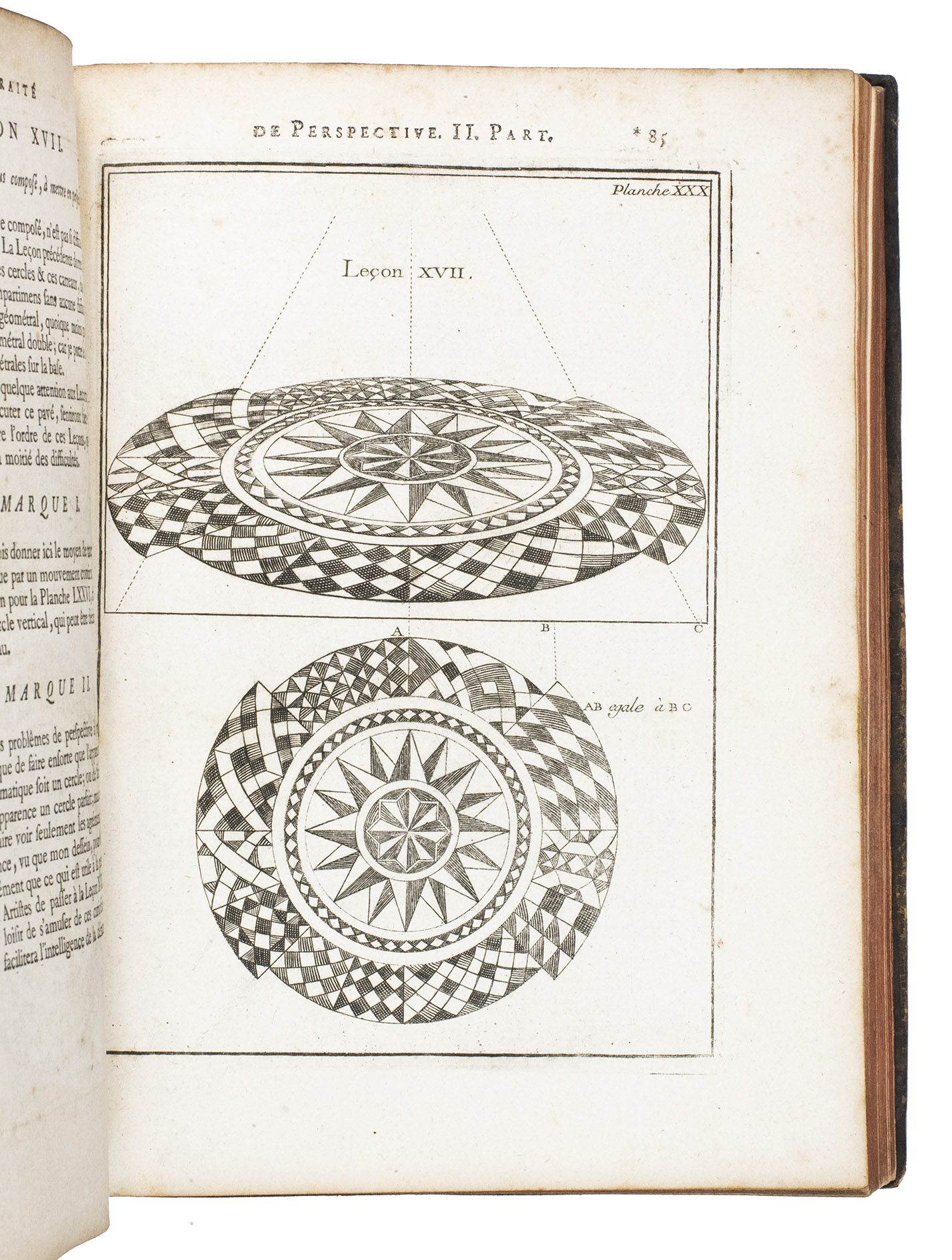
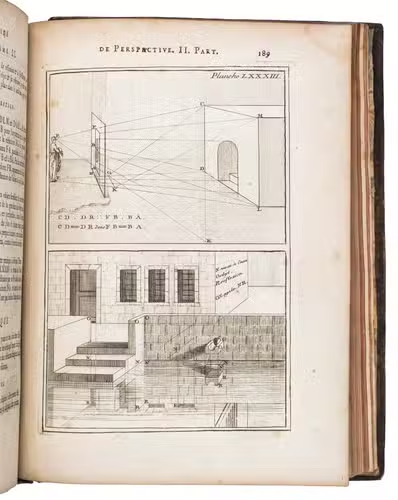
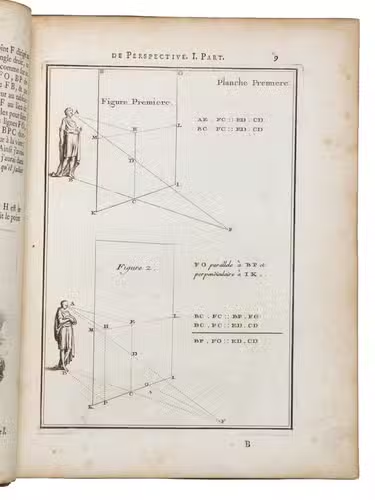
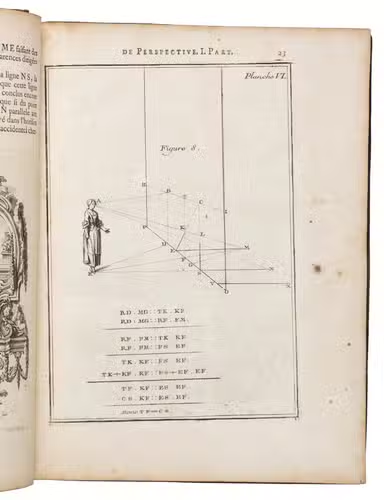
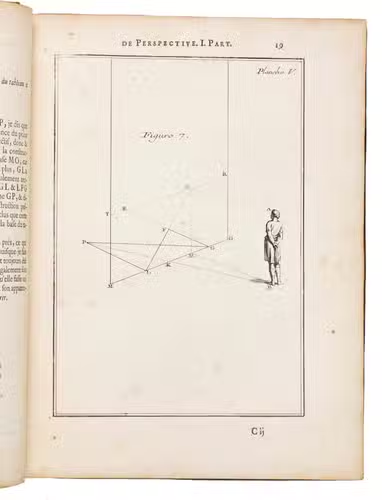
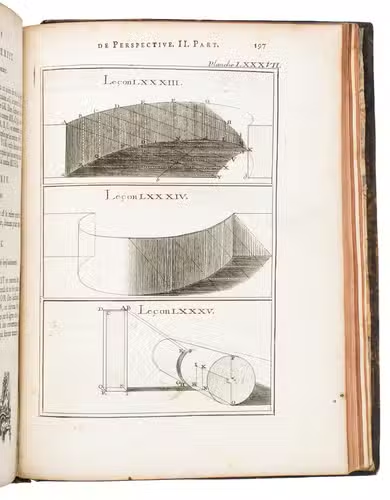
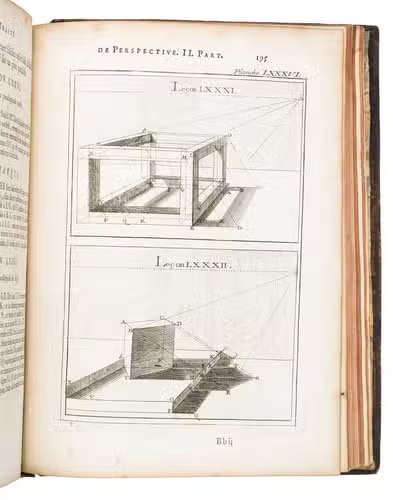
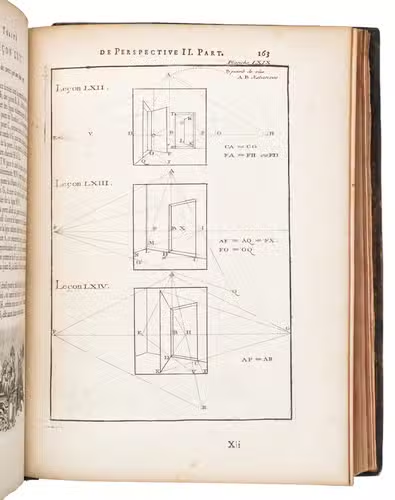
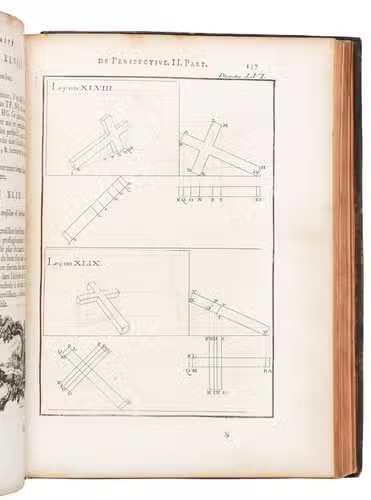
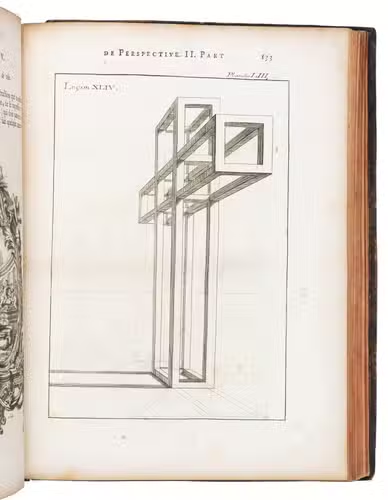
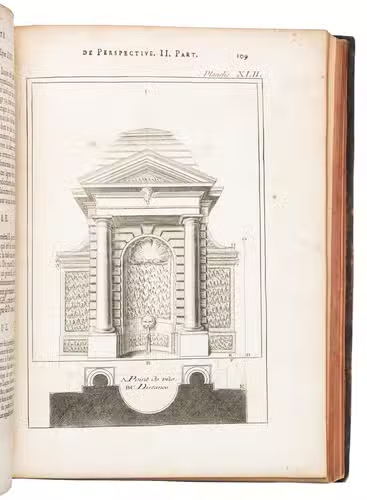
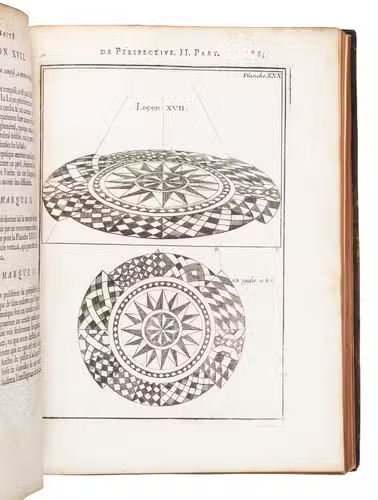
These practical qualities of the work are clearly be seen in the plates. The explanatory text was intended to be on the page next to the plate to enable the student to study both simultaneously. However, in a few cases the text was too long, so the plates were printed a second time on the next page to prevent the student from having to turn them. Human figures have also been added to the first few plates to explain the position of the eye. On the later plates very ingenious and intricate perspectival problems are taught, including reflections in the water. The numerous beautiful rococo vignettes by P. E. Babel (d. ca. 1770), are often very large and show an incredible variety of ornaments and perspectival designs.
Edmé Sébastien Jeaurat (1725-1803), was a French architect and Royal engineer-geographer. He studied art and even received a medal from the French academy of painting. Later in life he became an astronomer and published a map of the 64 stars of the Pleiades. The present work is his only work on art.
The edges and corners of the boards are scuffed, the joints are somewhat weakened, but the structural integrity of the binding is still intact. The front two flyleaves are nearly detached, the work is slightly browned and foxed throughout. Otherwise in good condition. Berlin Kat. 4735; Brunet III, 526; Cicognara 841; Fowler 157 (listed under Jeurat); Guilmard p. 174; Savage et al., Catalogue of the British architectural library, 1609; Vagnetti EIVb31; cf. Kemp, The science of art, p. 227; Thieme/ Becker 2, pp. 300-301 (on P.E. Babel).
Related Subjects: