[CASANOVA, Giacomo].
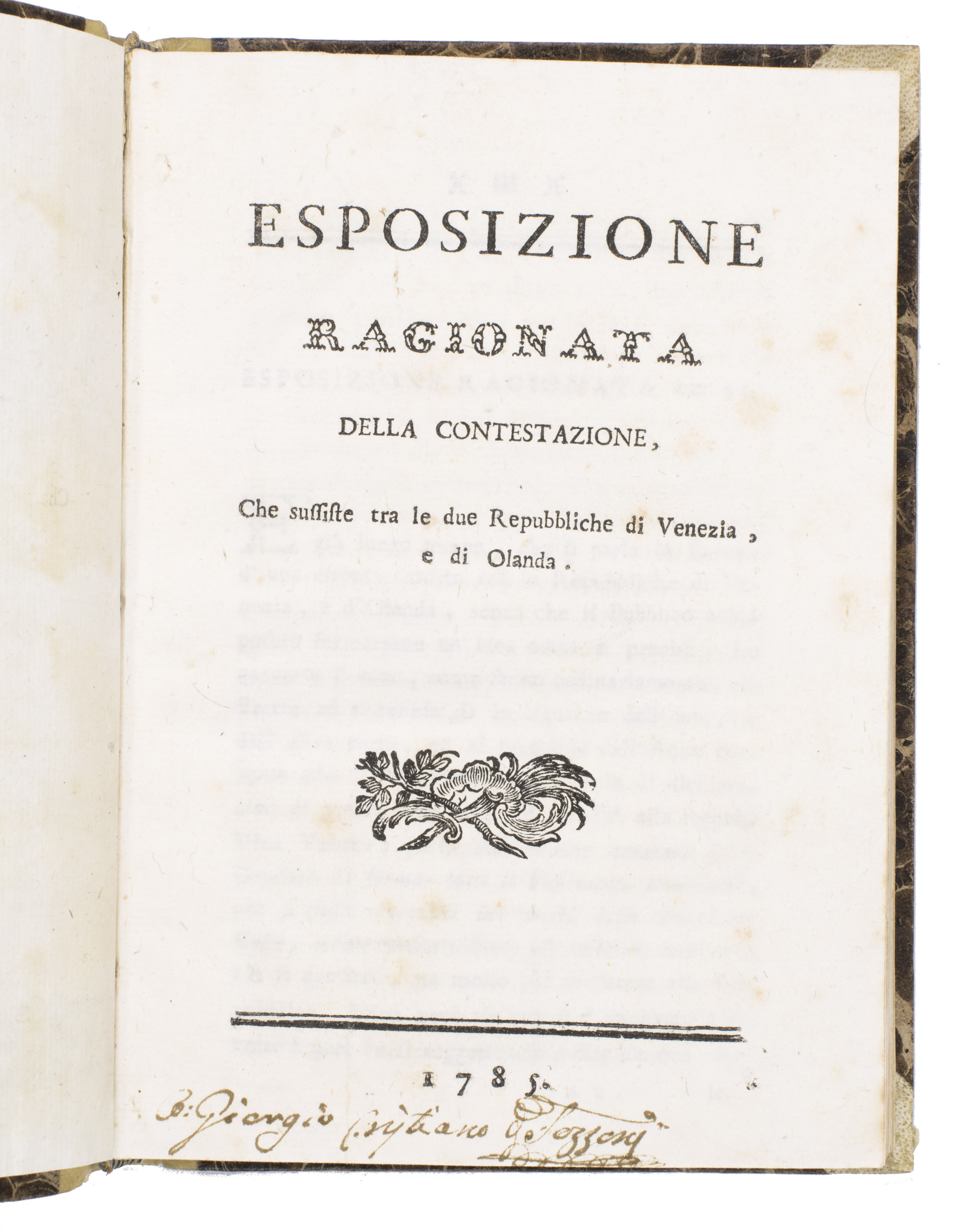
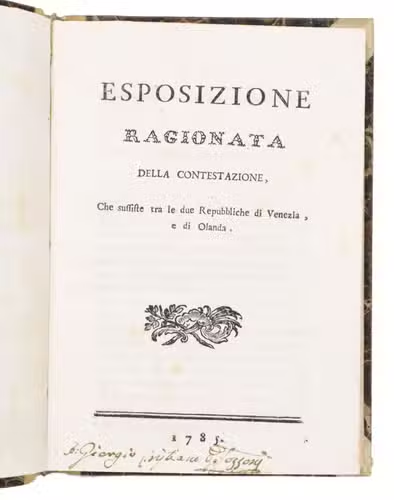
Esposizione ragionata della contestazione, che sussiste tra le due Repubbliche di Venezia, e di Olanda.
[Vienna or Venice?], 1785.
With:
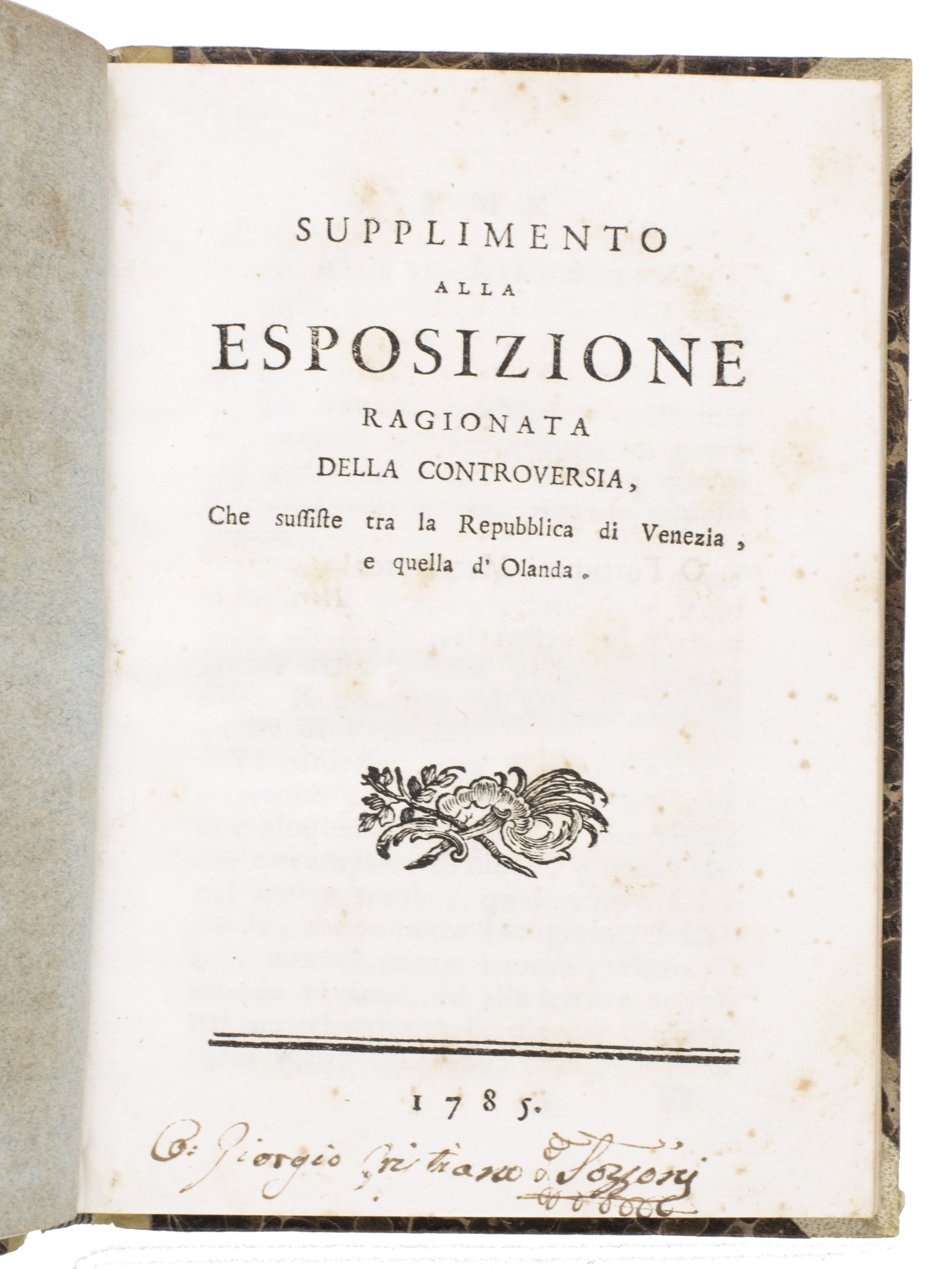
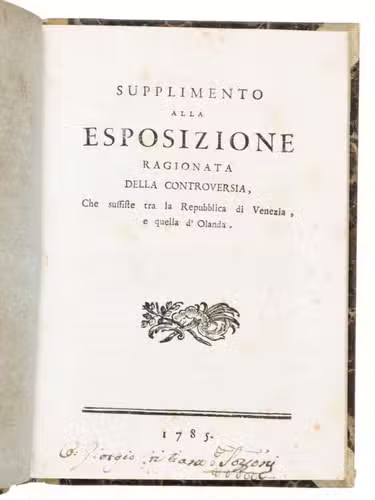
(2) [CASANOVA, Giacomo]. Supplimento alla esposizione ragionata della controversia, che suffifte tra la repubblica di Venezia, e quella dOlanda.
1785.
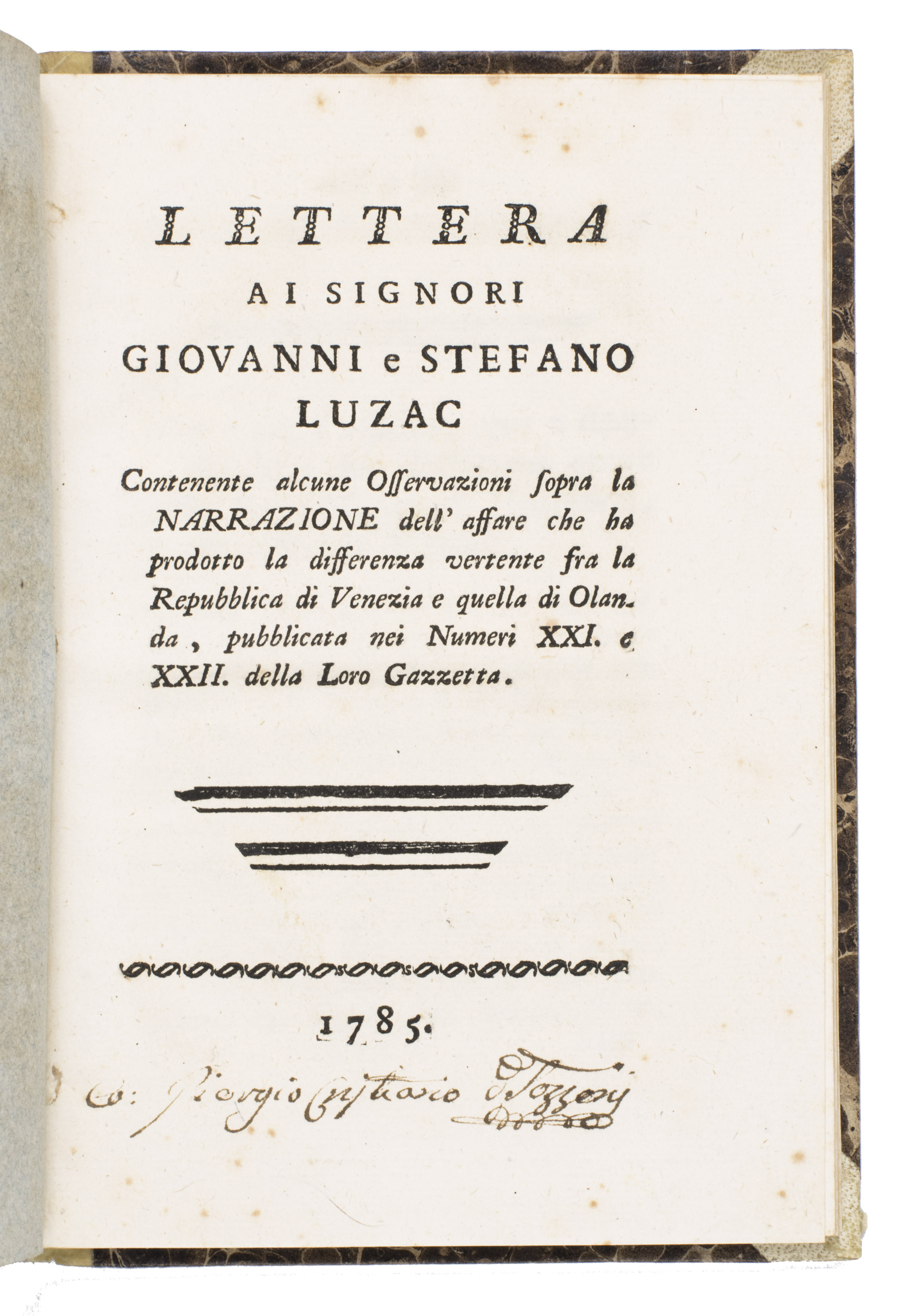
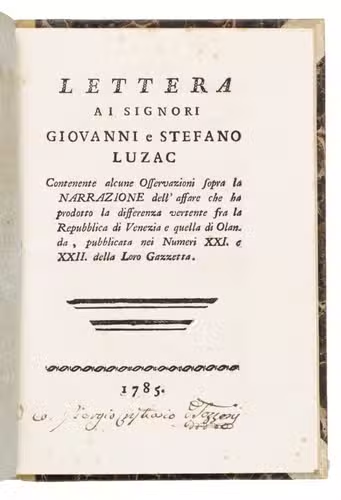
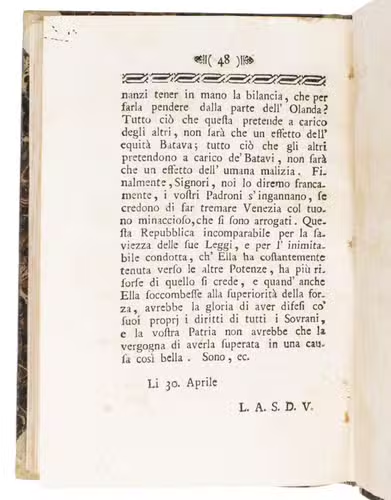
(3) [CASANOVA, Giacomo], Signed at end: L.A.S.D.V. Lettera ai signori Giovanni e Stefano Luzac contenente alcune offervazioni sopra la Narrazione dellaffare che ha prodotto la differenza vertente fra la repubblica di Venezia e quella di Olanda, pubblicata nei numeri xxi. C xxii. della loro gazetta.
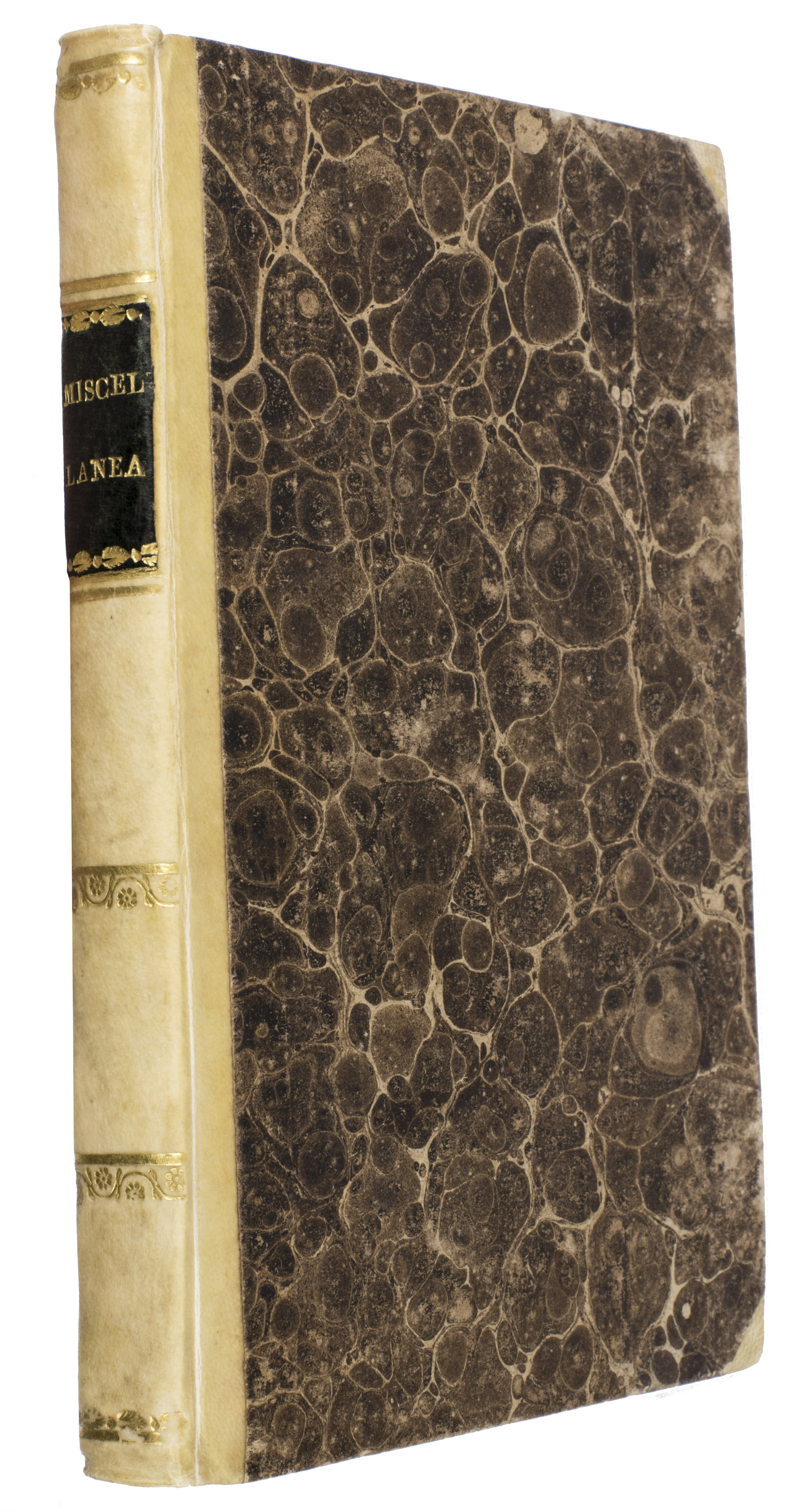
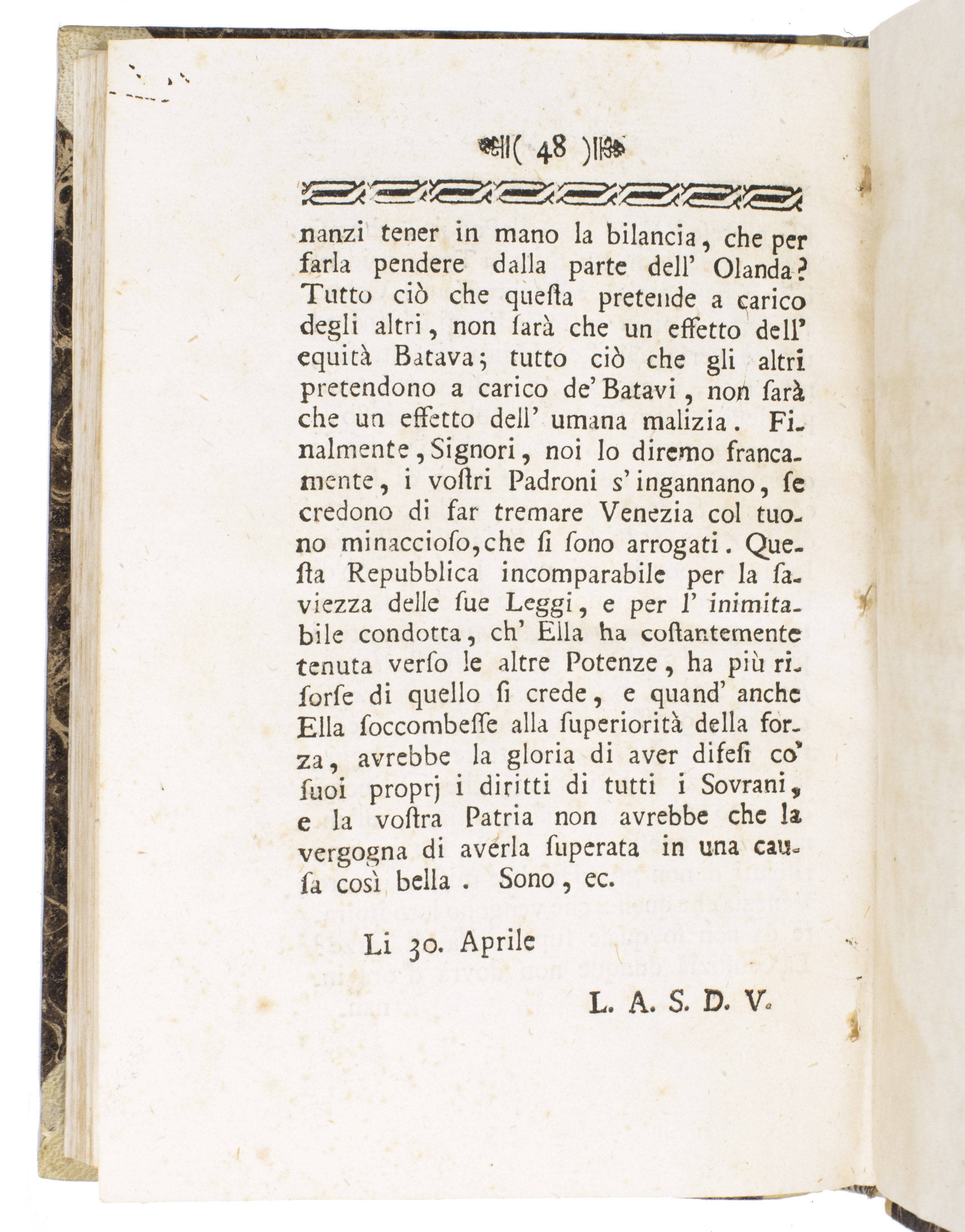
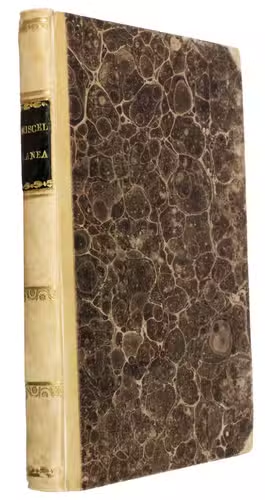
1785. 3 parts in 1 volume. 8vo. Ads 1 and 2: with a woodcut decoration on the title page, rococo-decorated titling capitals used for one word in the title and one initial, thick-and-thin rules, ad 3: with the same decorated initials as ad 1 and 2, and with woodcut headpieces throughout. Contemporary half vellum with marbled boards, gold-tooled spine, and a black leather spine label lettered in gold: "Miscellanea". LXX, [4 blank]; LXIX, [5 blank]; 48 pp.
€ 4,500
Convolute of three works relating to the diplomatic and journalistic confrontation between the Republic of Venice and the Dutch Republic, in which Giacomo Casanova (1725-1798) played an active role between 1784 and 1785. The conflict originated in a large-scale financial fraud perpetrated between 1772 and 1776 by the Venetian brothers Zannovich against Dutch merchants. Venices perceived failure to prosecute the perpetrators, combined with suspicions that a Venetian diplomat had assisted them, led to growing resentment in Amsterdam and eventually prompted the States General to adopt coercive measures against Venetian shipping.
In January 1784 the States General resolved to exert pressure by authorising the seizure of Venetian vessels in Dutch ports in order to indemnify creditors for losses estimated at approximately 68,000 guilders. The Prince of Orange (1748-1806) was instructed to alert Dutch naval commanders in the Mediterranean to safeguard Dutch commercial interests. Both parties sought mediation from Emperor Joseph II (1741-1790) in Vienna, which consequently became the focal point of the dispute.
At this juncture Casanova entered the scene. Residing in Vienna as secretary to the Venetian ambassador Sebastiano Foscarini (1718-1785), he gained access to diplomatic documentation and was encouraged to intervene in the European press. His publications were intended to compensate for the limitations of traditional diplomacy and to defend Venetian interests in an increasingly influential international public sphere.
Ad 1: First Italian edition of Exposition raisonnée du différent qui subsiste entre les deux républiques de Venise et dHollande, published first in French the same year and followed the same year by two Italian editions, printed from the same typographical materials.
Ad 2: First Italian edition of the supplement Casanova published in the same year. This pamphlet marks a decisive shift in tone, structure, and argumentative method. Abandoning the literary narrative of the Esposizione, Casanova adopts a systematic and analytical approach. Casanovas stated objective is no longer to impress or entertain the reader, but to convince through what he calls the "authenticity of the exposition".
Notably, the Supplimento also contains an implicit, and at times explicit, critique of Venices oligarchic political system. Casanova warns that the Republics rigid aristocratic governance would inevitably lead to political and economic decline, revealing the ambivalence of an author who simultaneously defended Venice abroad while criticising its internal structures.
Ad 3: First Italian edition of Casanovas most direct polemical engagement with the European press. Originally published in French on 31 March 1785 and immediately translated into Italian and Dutch, the text responds to articles printed in numbers XXI and XXII of the Gazette de Leyde, edited by Jean (Giovanni) and Étienne (Stefano) Luzac.
Written in the form of an open letter, the present work criticises the Dutch Republic for acting in contradiction to the very ideals of liberty and tolerance it claimed to embody. Casanova accuses the United Provinces of exploiting Venices weakness and of presenting a distorted narrative of the conflict to the European public. Unlike the broader argumentative scope of the Esposizione and the Supplimento, this text is sharply focused on journalistic responsibility and the political consequences of editorial choices.
Taken together, these three publications illustrate Casanovas multifaceted intervention in a late 18th-century diplomatic crisis. Acting simultaneously as observer, propagandist, and legal commentator, he attempted to shape European public opinion at a time when the press had become a central arena of international politics.
With three ownership inscriptions on the title page of each work "Giorgio Cristiano Pozsony", all three the works are slightly foxed. Otherwise in very good condition.
Related Subjects: