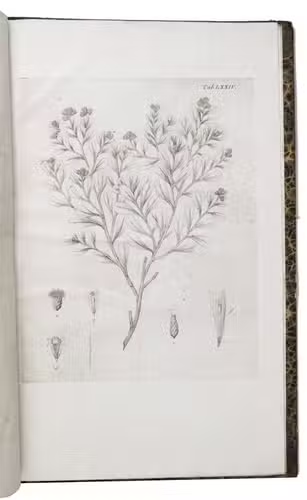
FORSSKÅL, Peter and Martin VAHL.
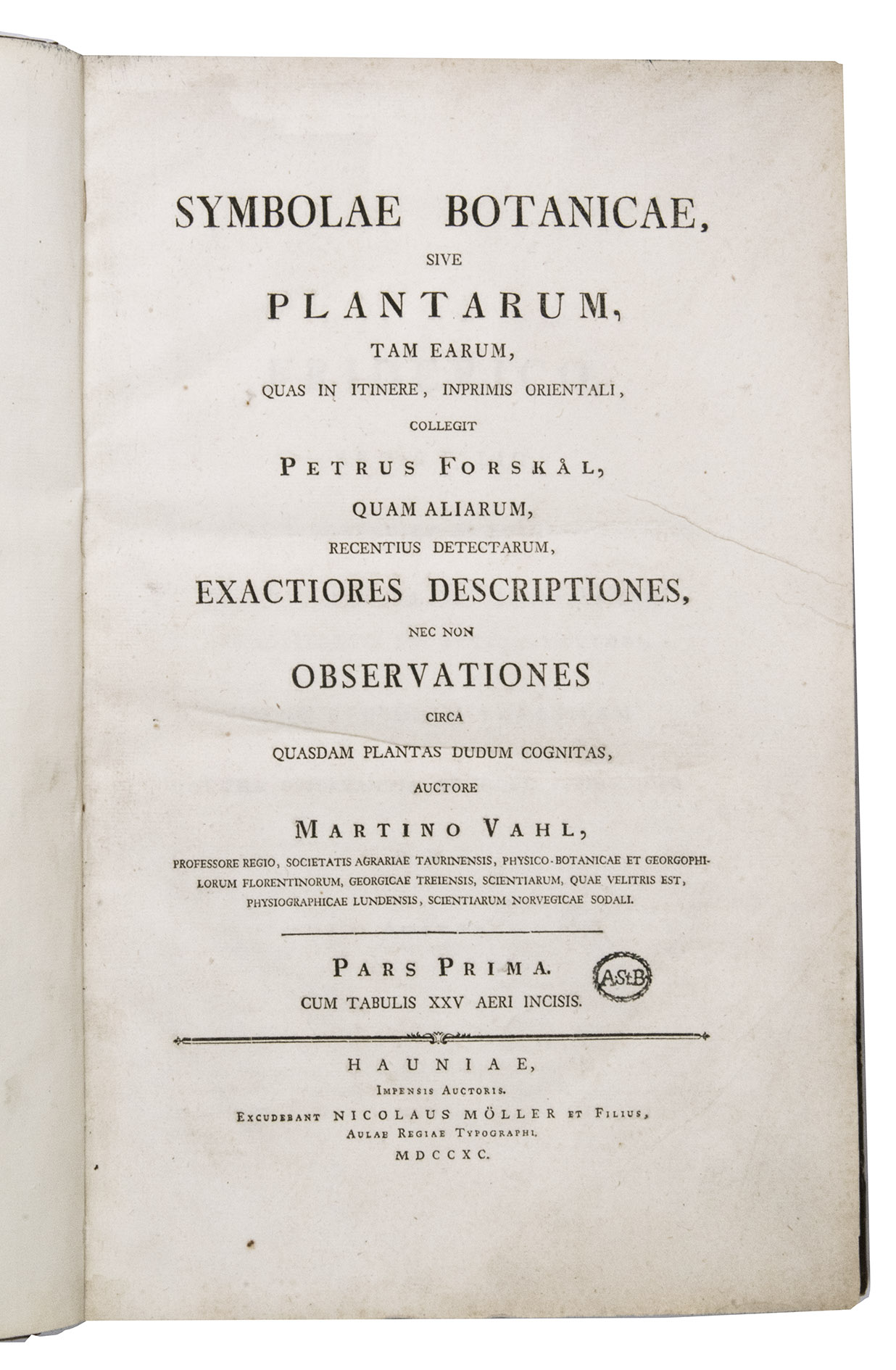
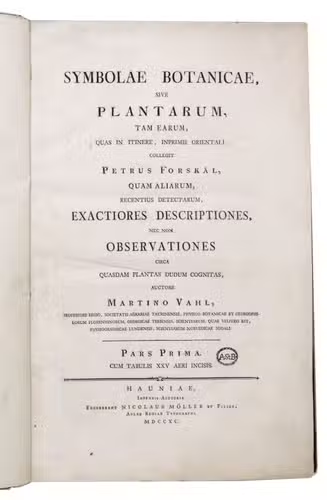
Symbolae botanicae, sive plantarum, tam earum, quas in itinere, inprimis orientali, collegit Petrus Forskål, quam aliarum, recentius detectarum, exactiores descriptiones, nec non observationes circa quasdam plantas dudum cognitas.
Comprising:
(1) Symbolae botanicae, sive plantarum ... Pars prima.
(2) Symbolae botanicae, sive plantarum ... Pars secunda.
(3) Symbolae botanicae, sive plantarum ... Pars tertia.
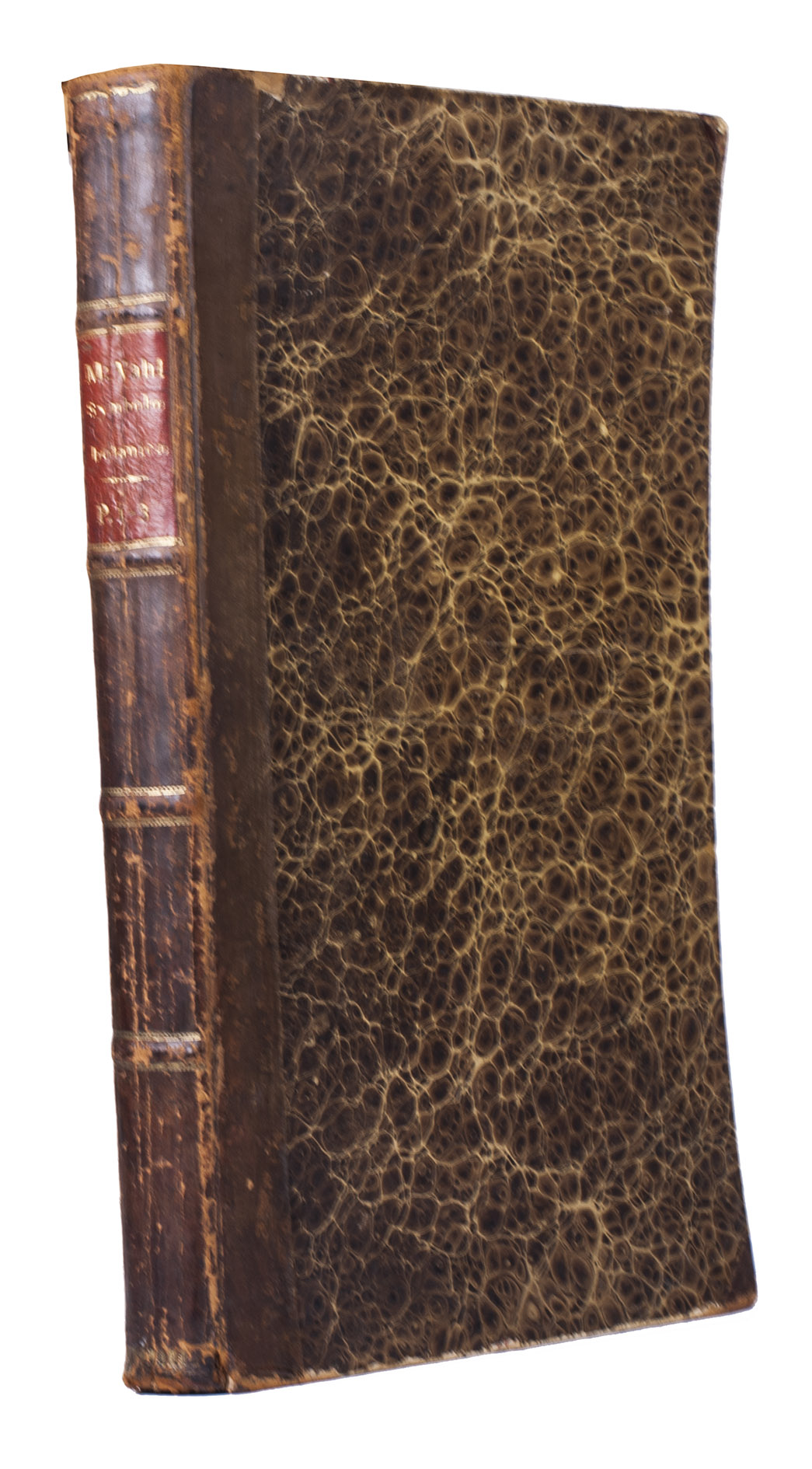
Copenhagen, for the author by Nicolaus Möller and son, 1790, 1791, and 1794. 3 parts in 1 volume. Folio (40 x 25 cm). With 75 numbered, full-page plates (74 engraved, 1 ink drawing). Near contemporary half mottled calf. [8], "81" [=85], [1 blank]; [2], 105, [3]; [4], 104, [2] pp. + 75 plates
€ 35,000
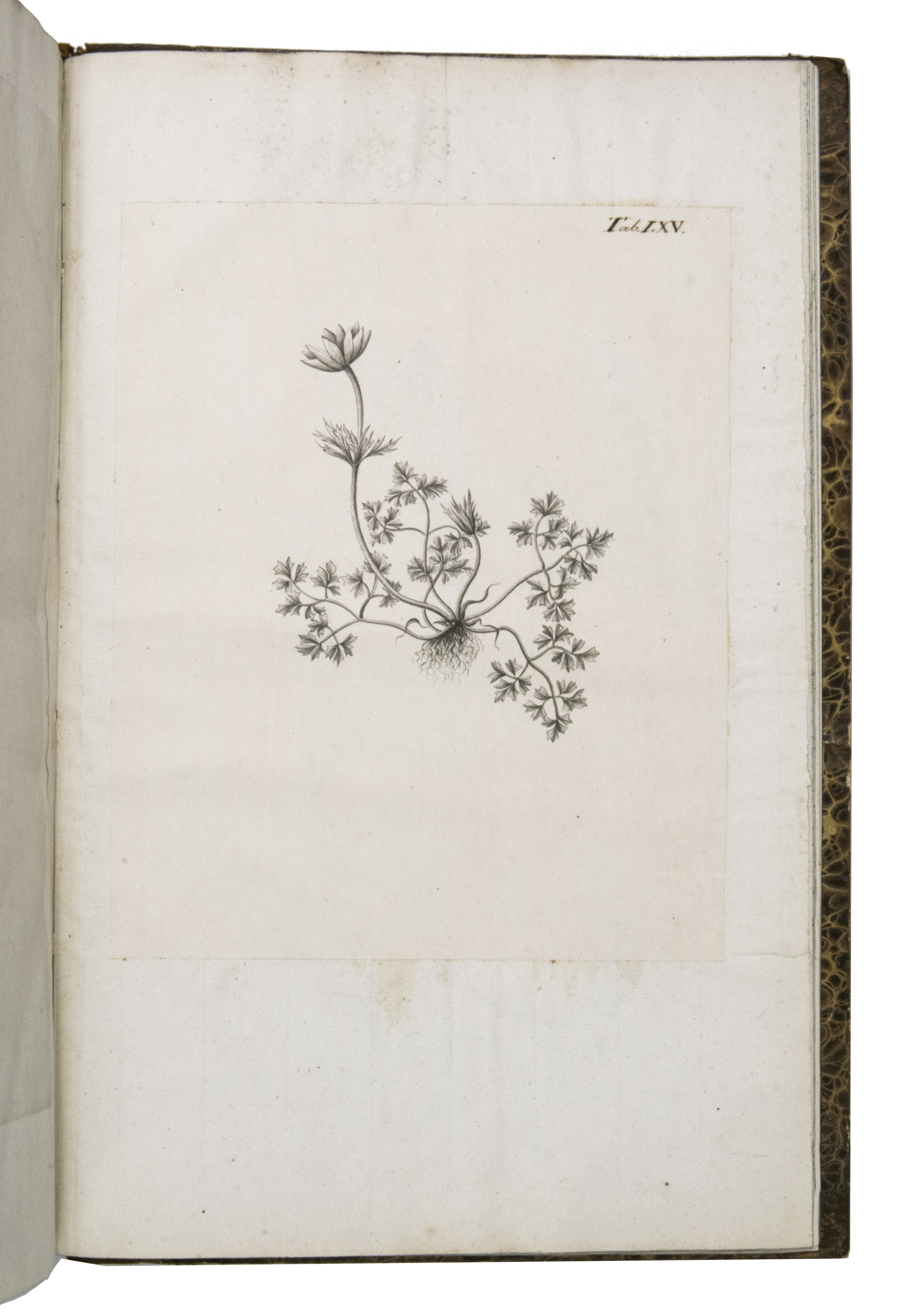
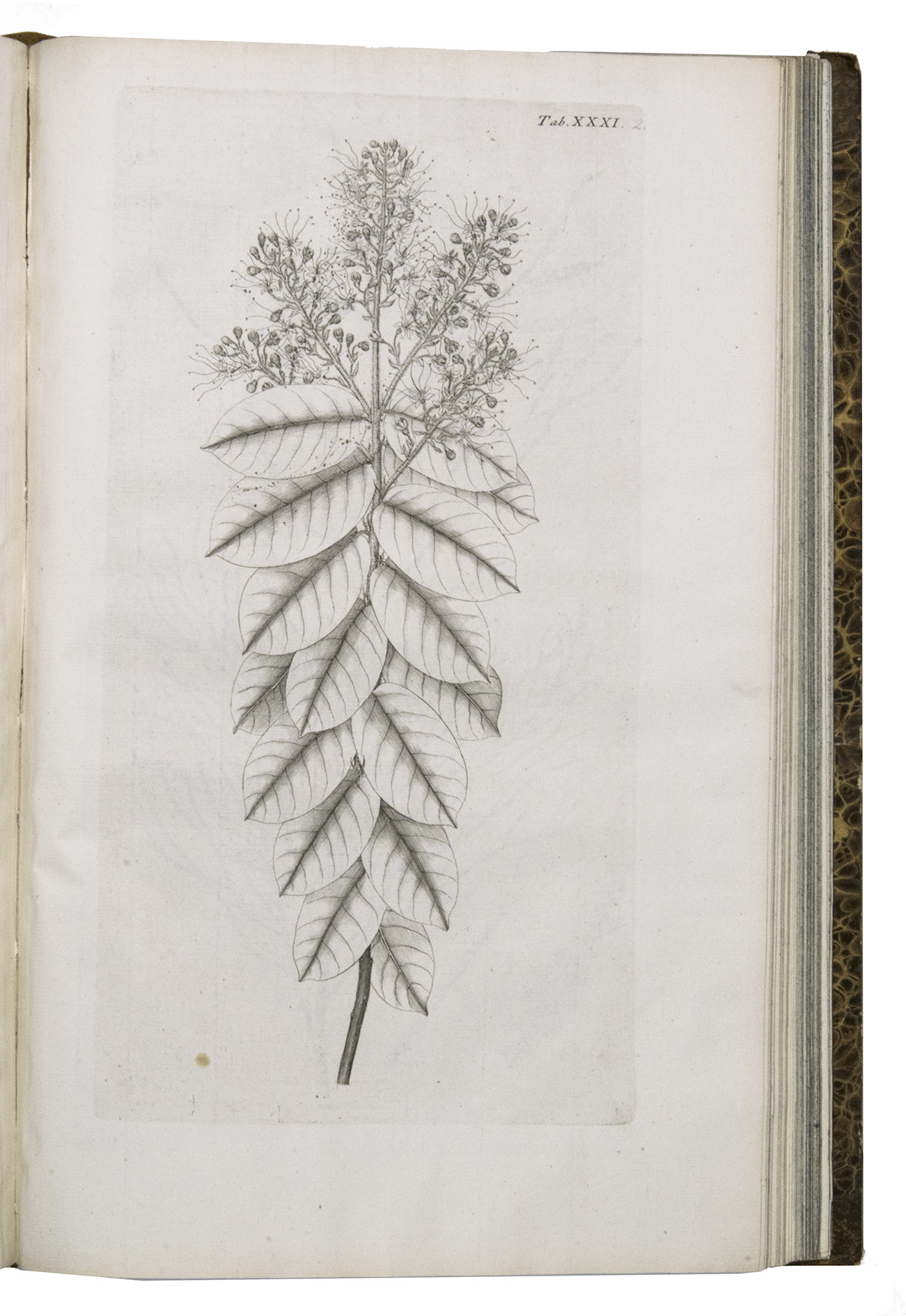
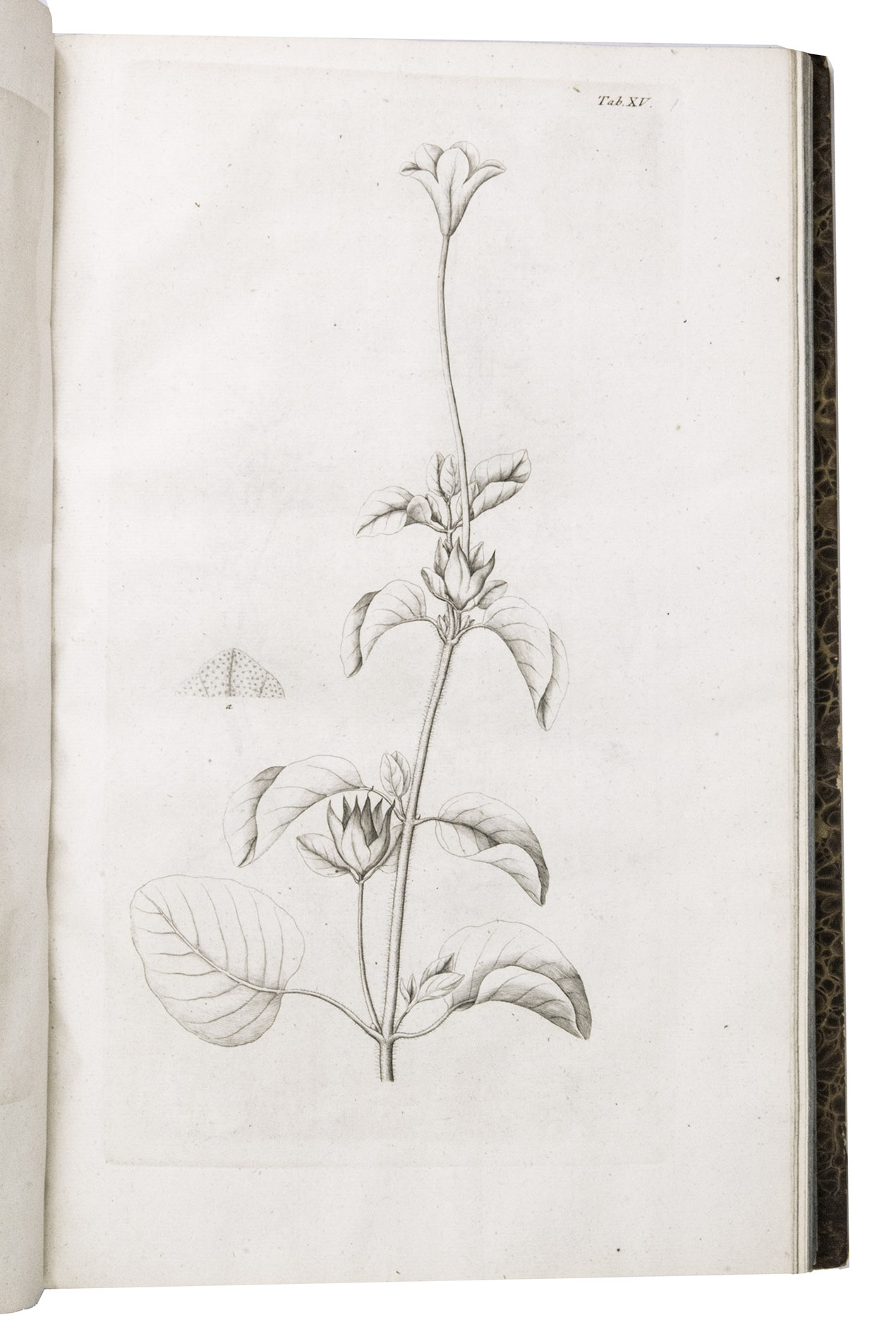
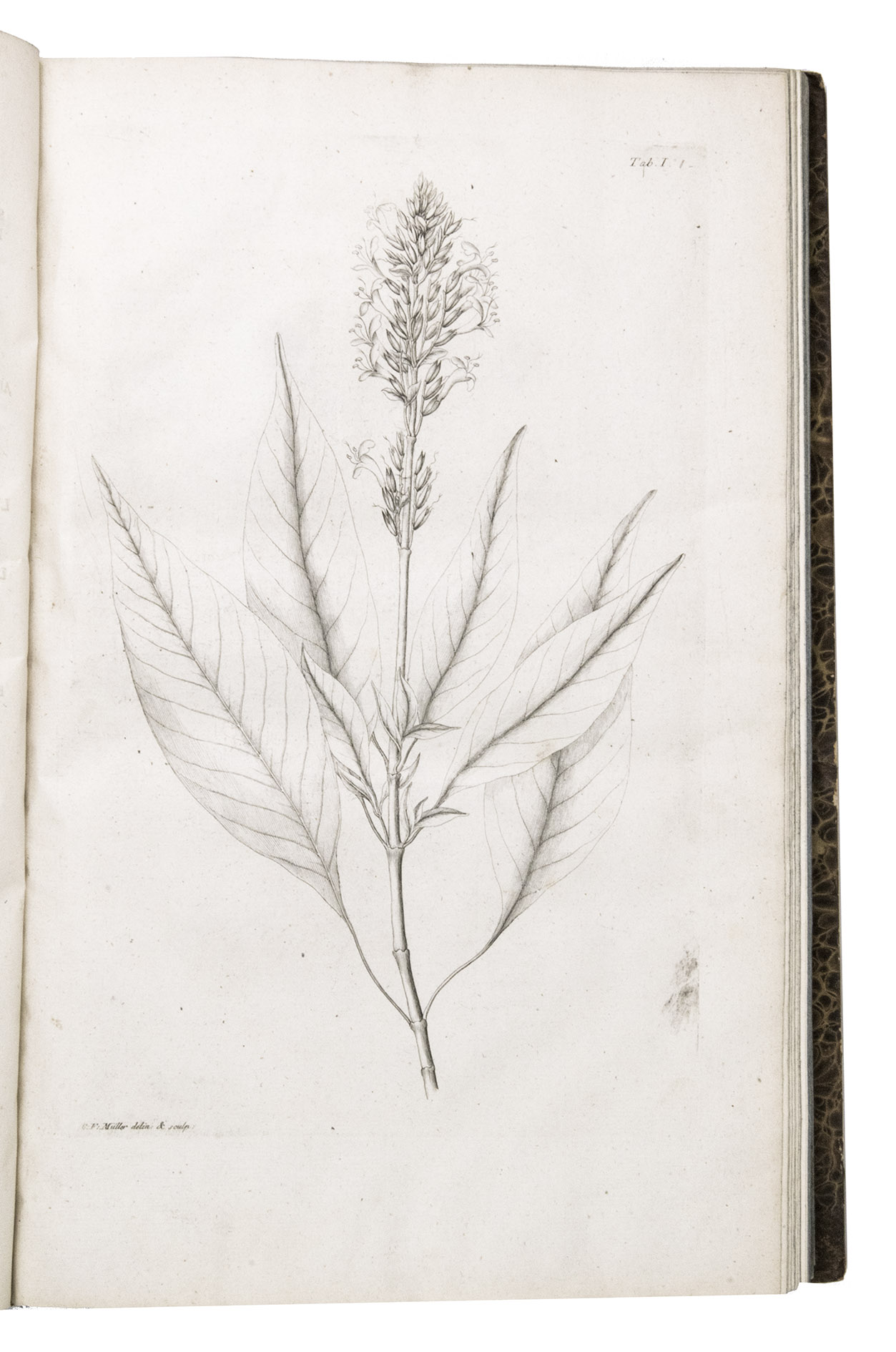
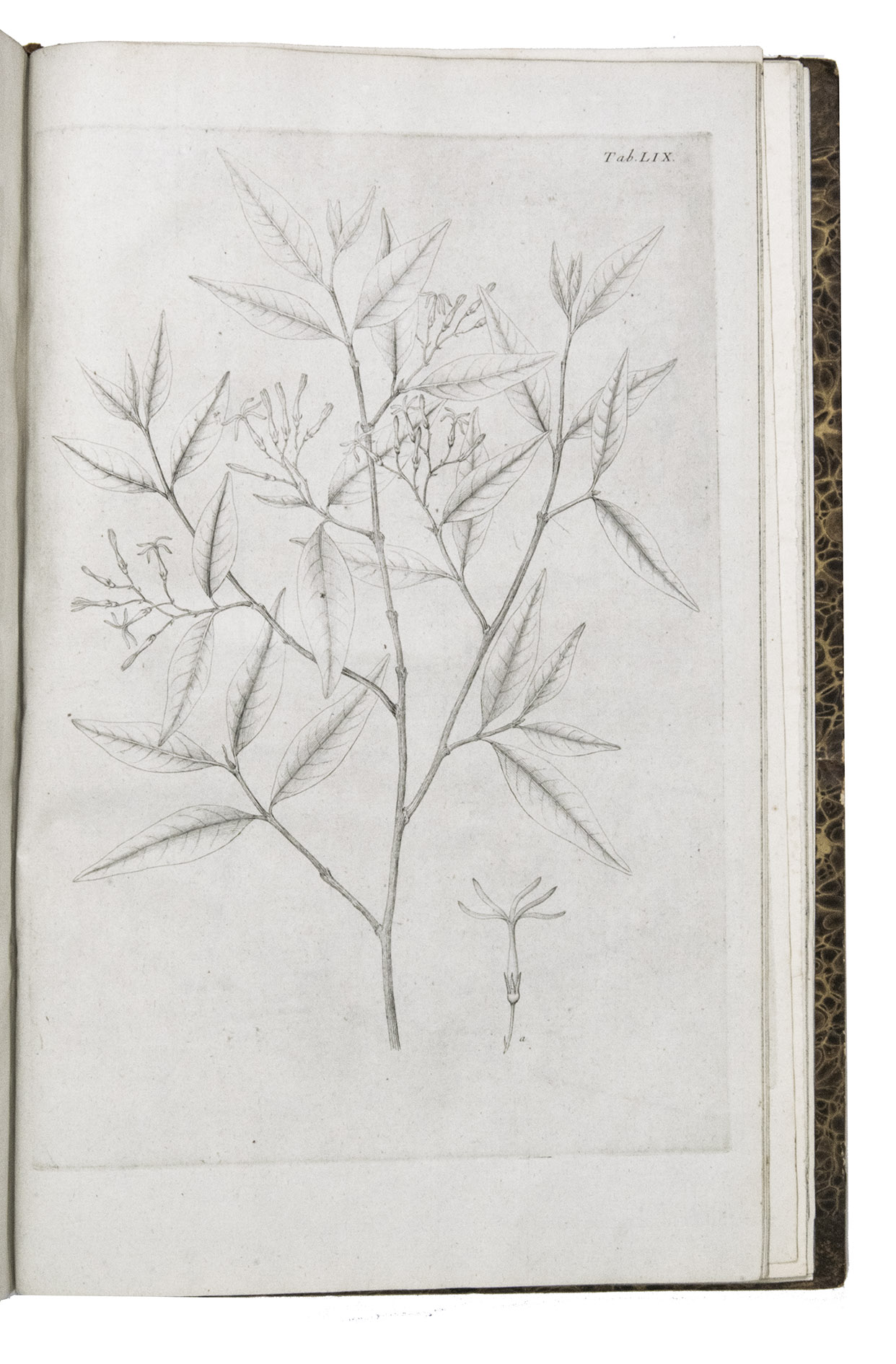
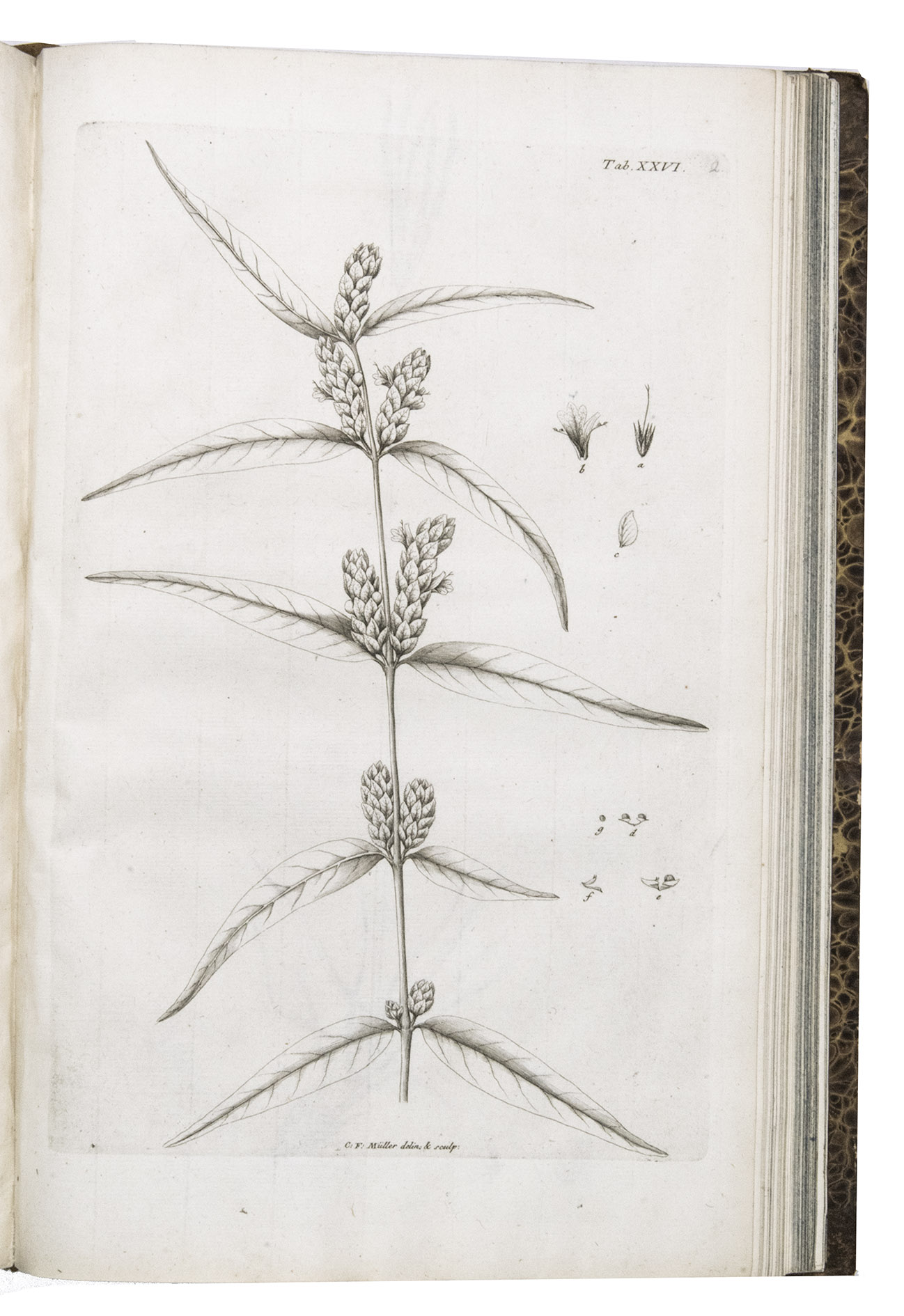
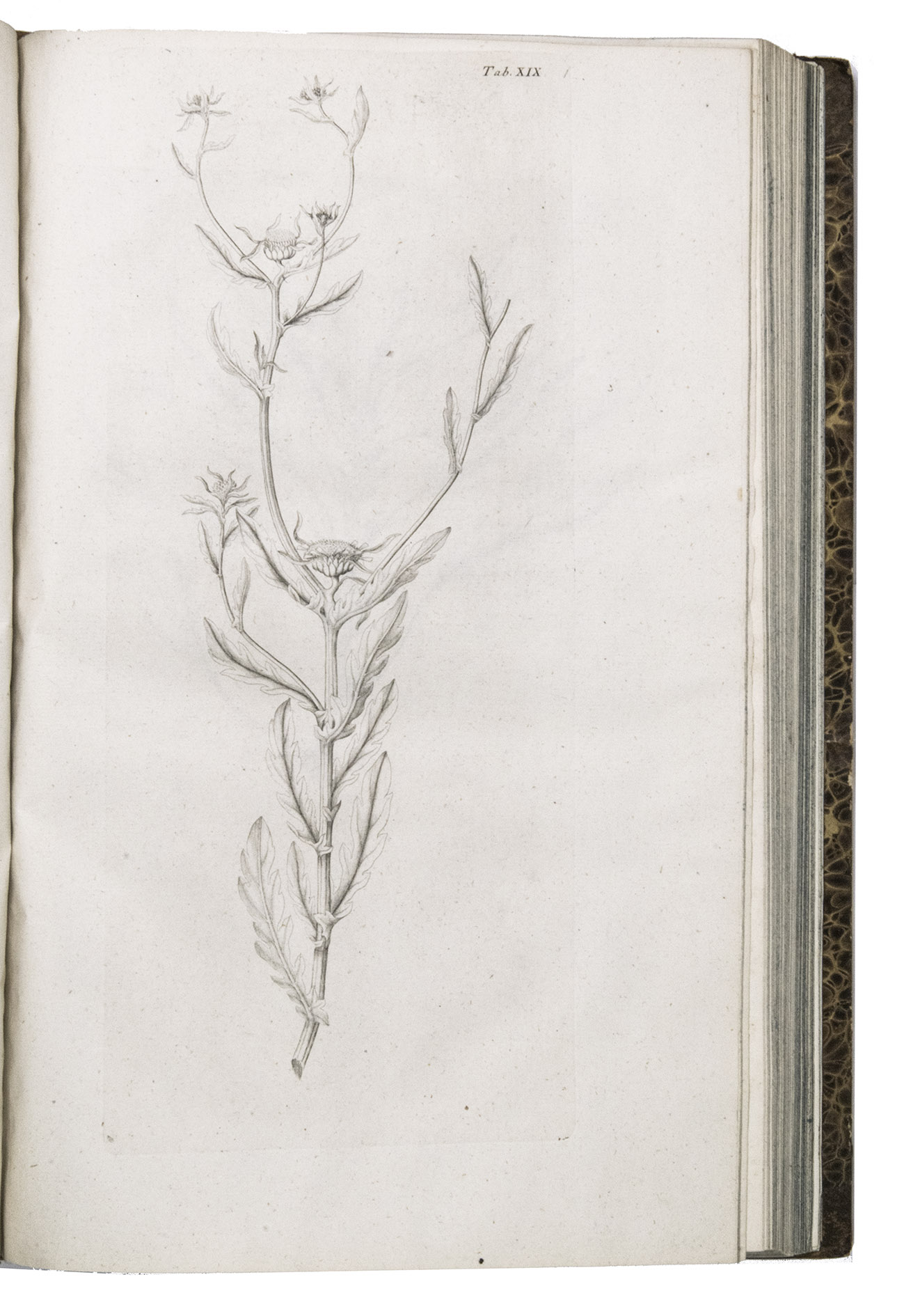
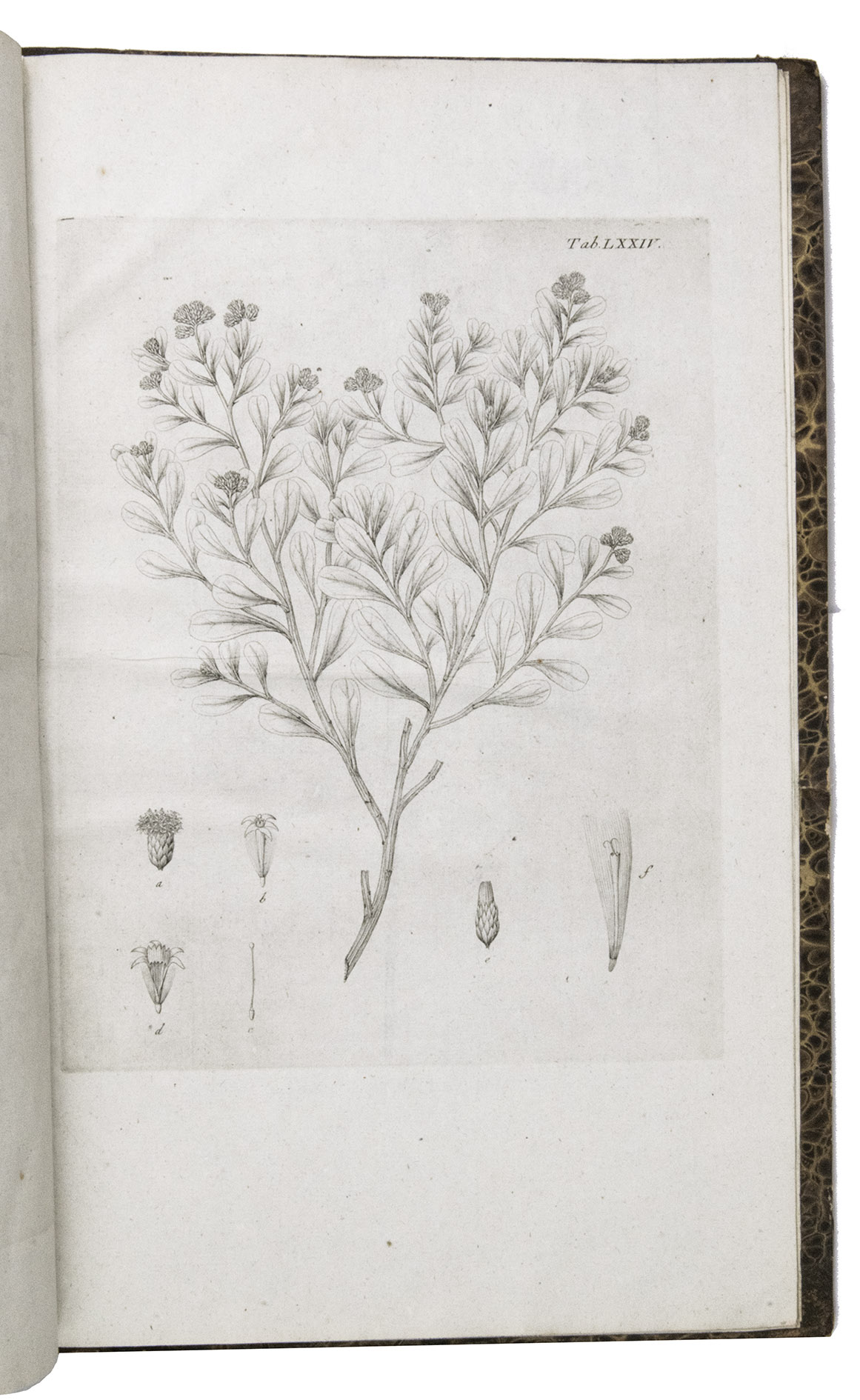
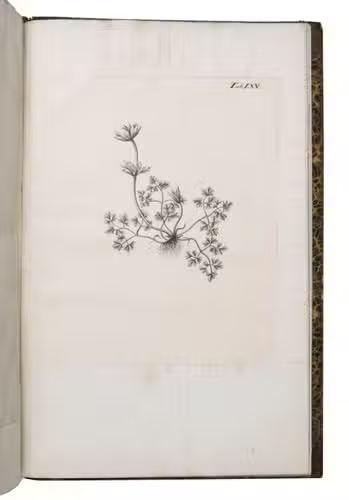
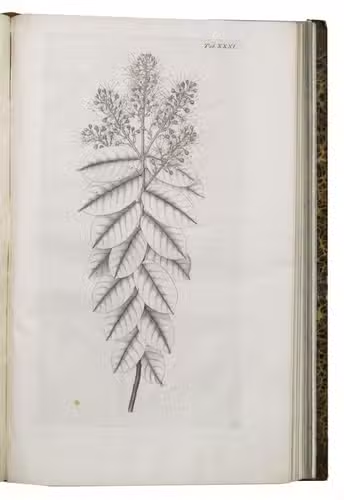
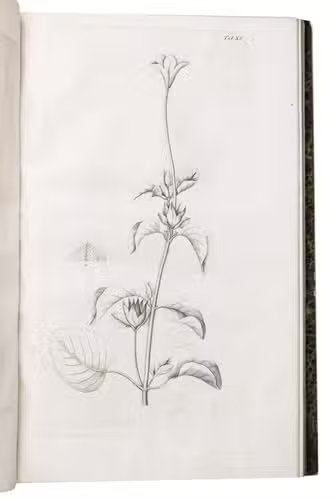
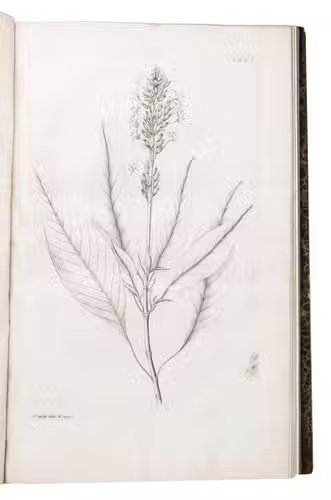
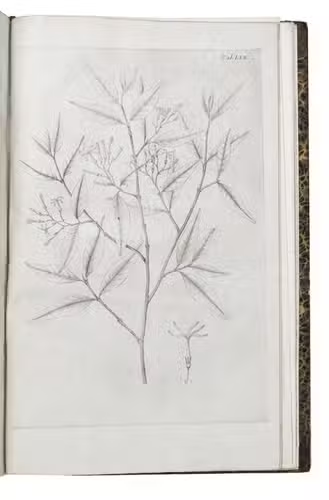
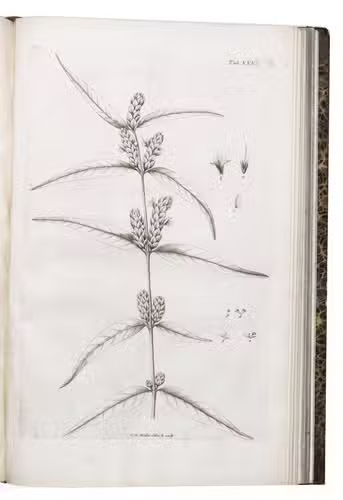
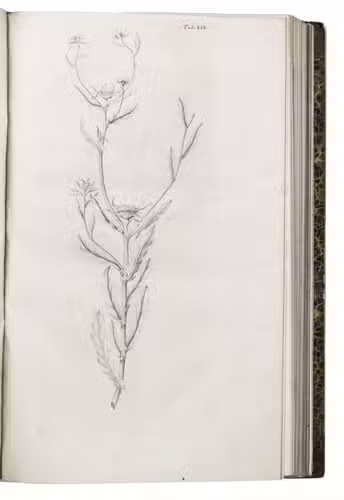
First and only edition of a description of the plants collected in Egypt, Syria, and the Arabian Peninsula during the Danish Arabia expedition (1761-1767) by the Swedish naturalist and explorer Peter Forsskål (1732-1763). The present work is among the first that is devoted to this material. It describes a selection of the collection according to Linnaean taxonomy, and has been copiously illustrated with 75 large plates. These are usually all engraved, but one has been beautifully drawn by hand in the present copy.
The Danish Arabia expedition set out with the goal to elucidate the Old Testament, but also to study the natural history and geography of the region. Forsskål, one of the six members of the group, was in charge of collecting botanical and zoological specimen. He was one of Linnaeus' most gifted pupils, and had been selected for the expedition with Linnaeus' approval. Unfortunately, he passed away after contracting malaria in Yemen. His notes and specimen were brought back to Copenhagen by cartographer Carsten Niebuhr (1733-1815), who edited the notes and published them as two works in 1775: Descriptiones Animalium - Avium, amphiborum, insectorum, vermium quæ in itinere orientali and Flora Ægyptiaco-Arabica. The botanical specimen themselves were first studied by the Norwegian botanist Martin Vahl (1749-1804), who, like Forsskål, had been a pupil of Linnaeus. After several research trips in Europe and North Africa, he became a professor of botany at the University of Copenhagen in 1786, which gave him access to Forsskål's collection. After ordering it by genus, he described them in the present work, which was published in three parts with 25 plates each, all beautifully engraved by C. F. Müller (dates unknown). The present copy may have been owned by the Vahl family, as it was donated to the diocese library of Aalborg by Martin's son Hendrik (1789-1837).
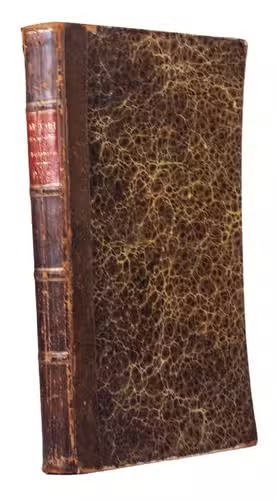
With a contemporary manuscript inscription on the front pastedown ("Til Aalborg Stiftsbibliothek fra Ga(?) Regimentskirurg H. Vahl i Aalborg), a shelfmark(?) number ("1225.59"), and a black oval library stamp on the title page ("A. StB", likely from the Aalborg Stiftsbibliothek). The edges and corners of the boards are somewhat scuffed, the front board is somewhat warped, the spine has been rubbed, the joints are slightly weakened, without affecting the structural integrity of the binding. Internally very clean, plate 65 has been drawn by hand on different paper and mounted on a blank leaf in the correct place. Otherwise in good condition. Nissen 2032; Pritzel 9649; Stafleu and Cowan 15730; cf. not in Hunt Botanical.
Related Subjects: